iAspirants
HomeAbout UsCurrent AffairsPrelims PYQsPricing
iAspirants
HomeAboutBlogsFAQsPricingLogin
Privacy PolicyTerms & ConditionsReturn PolicyContact Us

© 2025 iAspirants, Inc. All rights reserved.

  1. Blogs
  2. Art and Culture

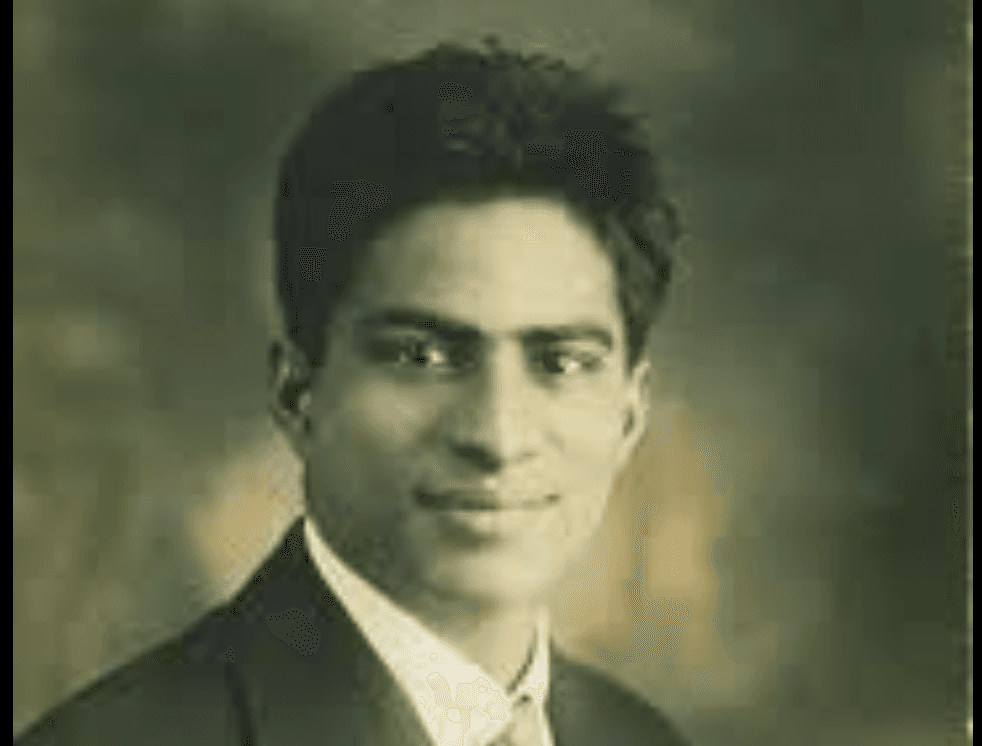
Eminent Historian Sumit Sarkar Passes Away

Published on: 14-Aug-2026

Share this post

Eminent Historian Sumit Sarkar Passes Away

Article Summary

  • Individual Profile: Sumit Sarkar, a prominent Marxist historian, passed away at the age of 87 in New Delhi. He was a notable scholar of modern Indian history and had a significant teaching career at the University of Delhi and abroad.

  • Academic Contributions:

    • Authored key works including:
      • "Swadeshi Movement in Bengal, 1903-1908" (1973)
      • "Modern India" (1989)
      • "Writing Social History" (1998)
    • Co-edited influential texts such as "Women and Social Reform in Modern India" (2007) and "Caste in Modern India" (2013).
  • Education:

    • Completed BA (Honours) in History at Presidency College, Kolkata.
    • Obtained Master’s and Ph.D. from the University of Calcutta.
  • Recognition:

    • Remembered as a “doyen of historians” and praised for his engaging teaching style and ability to convey complex ideas succinctly.
    • Described as a rare Marxist historian who explored culture and emotions, in addition to economic perspectives.
  • Impact on Students and Colleagues:

    • Students and colleagues recalled him as an inspiring educator who fostered intellectual growth and engagement.
    • His death is seen as a significant loss to the academic community and history students.
  • Legacy: His extensive research and writings have contributed to a deeper understanding of 19th and 20th-century Bengal and Indian history.

Key Terms & Concepts

Sumit SarkarEminent Marxist historian
University of DelhiInstitution where he taught
Wolfson College, OxfordFellowship association
Swadeshi Movement in BengalWork authored by Sarkar
Modern IndiaWork authored by Sarkar
Writing Social HistoryWork authored by Sarkar
Women and Social Reform in Modern IndiaCo-edited work by Sarkar
Caste in Modern IndiaCo-edited work by Sarkar
Presidency College, KolkataUndergraduate education
University of CalcuttaMaster’s and Ph.D. education
19th and 20th century BengalFocus of Sarkar's research

Mind Map for UPSC Civil Services Revision

Turn UPSC Civil Services Current Affairs Into Exam-Ready Notes

Reading Art and Culture current affairs is half the work. Revise them with ready-made notes and test what actually stuck.

  • Daily UPSC Civil Services current affairs analysis
  • Revision notes, mind maps & MCQs
  • Prelims mock tests with instant results

Related UPSC Civil Services Current Affairs Articles

Philosophy of Truth in Vedas
Art and Culture11-Aug-2026

Philosophy of Truth in Vedas

  • Philosophical Context: The Vedas emphasize the importance of truth as an absolute principle that guides moral conduct, distinguishing right from wrong.
  • Literary Contribution: Sekkizhaar, during the reign of Kulothunga Chola II, authored the "Peria Puranam," which underscores the philosophical aspects of life amidst a prosperous society that celebrated material wealth.
  • Key Figures:
    • The text centers on the 63 Nayanmars, a group of Saivite saints, known for their deep devotion and dedication to Lord Shiva.
    • Somasimaara Nayanar, a prominent figure, is highlighted for his unwavering devotion, consistent chanting of the Panchakshara mantra, and personal service to spiritual leaders.
  • Cultural Significance: The narratives of the Nayanmars reflect a selfless love for humanity and a commitment to serving God, demonstrating enduring faith within societal frameworks.
  • Spiritual Practices:
    • Somasimaara’s habit of conducting yagas (rituals) and his belief in honoring devotees, irrespective of their social status, is notable.
    • His interactions with divine figures, including the disguised appearances of Shiva and Parvati during his yaga, signify an integral aspect of devotion in Saivite practices.
  • Devotional Ethos: The overarching message is the principle that true service and faith in God lead to divine acknowledgment and fulfillment.
  • This text illustrates the intersection of literature, spirituality, and societal values in ancient India, particularly within the Saivite tradition through the lens of figures like Sekkizhaar and Somasimaara Nayanar.

    Ancient Lord Vishnu Idol Unearthed
    Art and Culture09-Aug-2026

    Ancient Lord Vishnu Idol Unearthed

    Summary of Findings and Context on Discovery of Lord Vishnu Idol

    1. Discovery Details:

      • A stone idol of Lord Vishnu, approximately 500 years old, was discovered by residents on the dry Palar riverbed in Puliyankannu village.
      • Dimensions of the idol: 2 feet tall and 1.5 feet wide.
      • The idol's head is slightly damaged, while two arms (including one holding a chakra) remain intact.
    2. Historical Significance:

      • Local historians suggest the idol belongs to the Vijayanagara era (14th to 17th century), a period noted for temple architecture and a strong presence of Vaishnavism.
      • The region is historically significant, known for its temples and as a center of Vaishnavite and Shaivite worship.
    3. Legal Framework and Custody:

      • Under the Indian Treasure Trove Act of 1878, treasures found below one-foot depth are considered government property.
      • Revenue officials confirmed the idol will be transferred to the district treasury with the Collector designated as the guardian of such treasures.
    4. Future Display Plans:

      • A request is to be made for public display of the idol at Arcot Museum to facilitate educational opportunities regarding the region's cultural heritage.
      • Previous significant finds include a five-foot Vishnu idol from Mellur village, dated to the early Chola period (9th century), which was displayed in a museum.
    5. Importance of Preservation:

      • The discovery underscores the necessity of preserving archaeological finds in India, which contributes to the understanding of historical and cultural development in the region.
      • Engagement with local historians and authorities plays a critical role in safeguarding and promoting archaeological heritage.
    6. Contextual Geography:

      • The Palar River region is historically recognized and intersects with major historical narratives concerning temple construction and religious practices, particularly during the Vijayanagara empire.

    This discovery not only enriches the cultural tapestry of the region but also reinforces the importance of legal frameworks in the protection and display of Indian heritage.

    Celebrating India's Handloom Heritage
    Art and Culture09-Aug-2026

    Celebrating India's Handloom Heritage

    Exam-Focused Notes on Indian Handloom and Cultural Identity

    1. Handloom in the India-UK Free Trade Agreement

    • Indian textiles secure inclusion in trade discussions, highlighting their economic and cultural significance.
    • Vital for boosting global demand for handloom products.

    2. Cultural Significance of Handloom

    • Handloom represents a vital part of India’s cultural identity and heritage.
    • Homegrown designer Sanjay Garg states that handloom is a major strength that reflects India’s diversity through its unique woven textiles.

    3. National Handloom Day

    • Celebrated on August 7. Collaborations like Sanjay Garg's with rapper Adil Kalyanpur aim to elevate awareness of handloom traditions.
    • Launch of “Handloom Y’All,” a contemporary rap track marrying traditional textiles to modern music culture to engage newer audiences.

    4. Policies and Government Support

    • The Indian government has been promoting the handloom sector through various schemes aimed at providing support to handloom weavers.
    Exploring Kerala's Rich Artistic Heritage
    Art and Culture09-Aug-2026

    Exploring Kerala's Rich Artistic Heritage

    Summary Notes on Kerala's Art Heritage and "The Forgotten Atelier"

    Key Facts and Figures:

    • Author: Sharat Sunder Rajeev
    • Book: "The Forgotten Atelier" detailing the ivory carving tradition of Travancore and lesser-known artists.
    • Timeline: Research for the book took 15 years.

    Historical Context:

    • Raja Ravi Varma is a prominent figure in Kerala's art, but the region has a diverse artistic legacy that includes mural paintings and Deccani miniatures.
    • Women in Ravi Varma's family, notably Rohininaal Tampuratti, Makamnaal Kunjikavu Tampuratti, and his sister Mangala Bayi, were early artists in his lineage, which has influenced subsequent generations.

    Notable Artists:

    • Ramaswamy Naidu: An under-recognized artist from the Naidu community, one of the first Indians trained in Western academic oil painting, who became a leading figure at the Travancore court.
    • Other notable contemporaries of Ravi Varma included K. Sekhara Warrier, P. Mukundan Tampi, and K. Madhava Warrier, who contributed significantly to 19th-century South Indian art.
    Inauguration Plans for Anubhava Mantapa
    Art and Culture09-Aug-2026

    Inauguration Plans for Anubhava Mantapa

    Anubhava Mantapa Project Highlights

    Overview

    • Name: Anubhava Mantapa (Monument of Democracy)
    • Location: Basavakalyan, Bidar district, Karnataka
    • Inception: Conceived in 2017, construction started in June 2022
    • Expected Inauguration: May 2027
    • Cost: Over ₹800 crore
    • Size: Spread over nearly 5 acres

    Historical and Cultural Significance

    • Tribute: Honors Basaveshwara, a 12th-century philosopher and leader of the Sharana movement, which advocated for social reform and equality.
    • Architectural Design: Features the Ashtavarna principles of Sharana philosophy, with diverse influences reflecting Karnataka's cultural heritage.

    Structure and Design

    • Main Features:

      • Height: Crowned with an 183-ft Shivalinga-shaped dome
      • : 770 columns engraved with the Vachanas of 770 Sharanas
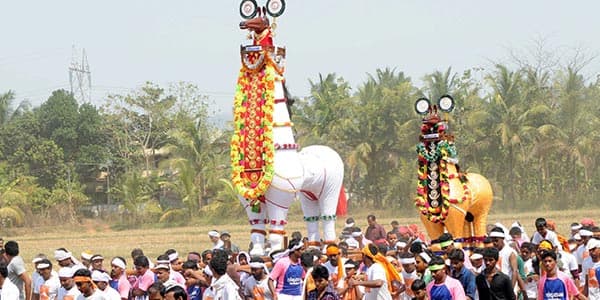
    Yakshagana Gains Academic Recognition
    Art and Culture09-Aug-2026

    Yakshagana Gains Academic Recognition

    Exam-Focused Notes on Yakshagana's Academic Integration

    Subject: Yakshagana

    1. Event Overview:

      • The Yakshagana Textualisation Workshop took place at S.V.P. Kannada Studies Institute, organized by the Dr. P. Dayananda Pai and P. Satish Pai Yakshagana Study Centre of Mangalore University.
    2. Importance of Yakshagana:

      • Yakshagana is recognized as a significant traditional art form with a history spanning centuries. It is characterized by its rich, devotional nature.
    3. Curriculum Development:

      • The introduction of a formal curriculum for Yakshagana is seen as a framework that will not compromise its traditional essence but will facilitate its academic recognition.
      • The curriculum is intended to study various Yakshagana teaching models to enhance formal education surrounding the art.
    4. Key Statements:

      • Satish Shetty, a prominent Yakshagana Bhagavata (performer), emphasized that the academic foray into Yakshagana is a positive development for its global outreach.
  • The Ministry of Textiles oversees initiatives to enhance the handloom sector's resilience and global competitiveness.
  • 5. Historical Context

    • Reference to Mahatma Gandhi, who made Khadi a symbol of national identity during the freedom struggle, correlating similar importance to handloom today.
    • Highlighting the need to reinterpret the legacy of handloom and its relevance for new generations.

    6. Economic Impact of Handloom

    • Millions of livelihoods directly supported by the handloom industry, emphasizing its role in the socio-economic fabric of rural India.
    • The handloom sector encompasses a large weaving community, contributing significantly to local economies.

    7. Artistic Expression and Modern Culture

    • The fusion of traditional handloom with contemporary art forms, such as music, showcases its evolution and relevance.
    • A-KAL’s rap draws attention to the narrative of handloom as not just a craft but as a subject of cultural pride.

    8. Educational Perspectives

    • Efforts to simplify the understanding of handloom for younger audiences, fostering appreciation and awareness through accessible communication strategies.
    • Informal educational approaches used in media to engage and interest those unfamiliar with handloom traditions.

    9. Noteworthy Textiles

    • Maheshwari handloom is specifically highlighted as having strong cultural connections and contemporary appeal, particularly in the context of the collaborating artists.

    Overall, the discussion around handloom integrates aspects of culture, economy, and modern societal narratives, positioning it as a living tradition that deserves ongoing recognition and appreciation.

    Artistic Influences:

    • Cultural Exchange: The arrival of the Deccan art style to Kerala was influenced by political alliances during the Anglo-Mysore Wars, facilitating artistic exchanges between Travancore, Marathas, and European artists.
    • The 19th century saw increased interaction with European artists who introduced techniques like realism and oil painting to Indian royal portraiture.

    Artistic Techniques and Styles:

    • The book emphasizes that artistic traditions have been fluid and not confined by geographic boundaries, as they evolved through trade, patronage, and cultural exchanges.
    • Kerala's mural traditions had distinct purposes, primarily religious, while Western style paintings catered to modernity and kingship imagery.

    Economic and Cultural Significance:

    • The Travancore court became a centre for innovative royal portraiture linking it to broader trends across southern India.
    • Under colonial influence, artists and collectors in Kerala began to adopt and adapt European styles.

    Publication and Accessibility:

    • The book faced challenges related to publishing, focusing on a specialized readership with high illustration costs. Rajeev opted for self-publishing to ensure creative control.

    Educational Insights:

    • The work has implications for understanding the history of art in India, emphasizing the importance of collaborative practices in art creation, exemplified by Ravi Varma's atelier model involving multiple artists.

    Conclusion:

    "The Forgotten Atelier" sheds light on the rich yet overlooked artistic heritage of Kerala, exploring significant but often neglected figures alongside Raja Ravi Varma, revealing the intricate tapestry of influences that have shaped the region's art scene.

    Pillars
  • Martyrs’ Tribute: Names of 12,944 Indian freedom struggle martyrs inscribed on walls.
  • Floors and Functions:

    • Six Floors: Represent stages of spiritual evolution — Bhaktasthala, Maheshasthala, Prasadisthala, Pranalingisthala, Sharanasthala, and Aikyasthala.
    • Digital Classrooms: 16 classrooms focusing on Basavanna’s philosophy and modern skill development.
    • Theater Facilities: 12 theatres for multimedia presentations on Sharanas' history and philosophy.
    • Kayaka Museum: Aims to foster aptitude assessments and encourage skill-based education.
    • Robotics Centre: Equipped with a 7-D theatre.
    • Parliament Hall: Space for sessions of the Karnataka Legislature on special occasions, including a 400-seat auditorium.
  • Symbolic Elements

    • Democratic Representation: Names of 74 countries inscribed on external pillars to showcase diverse democratic traditions.
    • Inner Structure: Circular design symbolizing the soul, surrounded by a reflective water body.

    Educational and Technological Aspects

    • AI Integration: Visitors can interact with AI systems for information, enhancing learning in various subjects.
    • Meditation Centre: Aims to show the benefits of meditation and support awareness campaigns against substance abuse.

    Project Goals

    • To create a living institution that fosters dialogue, ethical governance, and social transformation while commemorating Basavanna's legacy.
    • Reinforce Basavakalyan as a major center for pilgrimage, scholarship, and cultural tourism.

    Constitutional and Policy Context

    • Article Reference: This project aligns with the constitutional duty of promoting education and cultural heritage as part of the nation's Fundamental Duties (Article 51A).
    • Policy Context: A significant cultural initiative supported by the state government, reinforcing education and democratic values through historical reference.

    Conclusion

    The Anubhava Mantapa is not only a monument but a visionary project aimed at intertwining history, spirituality, and modernity while fostering an inclusive societal framework. Its expected impact on education, culture, and social reform embodies the principles of democracy and ethical governance, directly connecting to the ongoing narratives around equality and justice in India.

  • Mangalore University Vice-Chancellor P.L. Dharma stressed the need to maintain fundamental values in new educational experiments related to Yakshagana.
  • Constitutional and Cultural Relevance:

    • The initiative aligns with the Constitutional Right to Culture (Article 29) which guarantees the protection of the interests of minorities and their cultural expression.
    • The move can be linked to the Directive Principles of State Policy (DPSPs), specifically the encouragement of cultural and educational advancement.
  • Goal of the Initiative:

    • The chief objective is to pass on the Yakshagana tradition to future generations and promote its upliftment through structured educational avenues.
  • Involvement of Experts:

    • Various Yakshagana experts and personalities participated in the workshop, contributing insights and guidance on the new curriculum.
  • Future Outlook:

    • The Yakshagana Centre will develop a comprehensive curriculum, enhancing the educational aspect of this art form while ensuring its traditional values are preserved.
  • Potential Impact:

    • With academic recognition, Yakshagana has the potential to reach wider audiences and ensure the sustainability of this traditional art form.
  • This summary outlines the essential aspects of the recent developments regarding Yakshagana's integration into academia, highlighting its cultural significance, constitutional relevance, and future prospects.