iAspirants
Empowering Agriculture for Developed India
Published on:
Source: PIB
Share this post
Article Summary
Exam-Focused Notes on Agricultural and Rural Development Initiatives
Key Figures and Goals:
- Target: Increase the number of "Lakhpati Didis" (wealthy rural women) from 3 million to 6 million.
- Focus Areas: Agricultural production, quality enhancement, food processing, and linking farmers to global markets.
Government Schemes and Policies:
- "Shakti ki Saptadhara" Initiative: Launched by Prime Minister Narendra Modi to create a roadmap for agricultural and rural development.
- Lakhpati Didi Scheme: Aimed at empowering rural women through skill training, financial assistance, and market access.
- Focus on Natural and Organic Farming: Emphasis on chemical-free farming practices to meet domestic and international demand.
Constitutional References:
- Directive Principles of State Policy (DPSP): The initiative aligns with the constitutional mandate to promote the welfare of the rural population and enhance agricultural productivity.
Judicial and Institutional Framework:
- Role of Agricultural Research Institutions: The Indian Agricultural Research Council and regional agricultural universities will collaborate to disseminate new technologies and practices to farmers.
Economic Data and Indicators:
- Focus on Agricultural Income: Strategies to increase farmers' income through better market access, quality improvement, and reduced production costs.
- Market Demand Assessment: Importance of scientific assessment of crop demand in domestic and international markets to guide farmers on suitable crops.
International Agreements and Standards:
- Global Market Standards: The initiative aims to ensure that Indian agricultural products meet global safety and quality standards for better acceptance in international markets.
Science and Technology Updates:
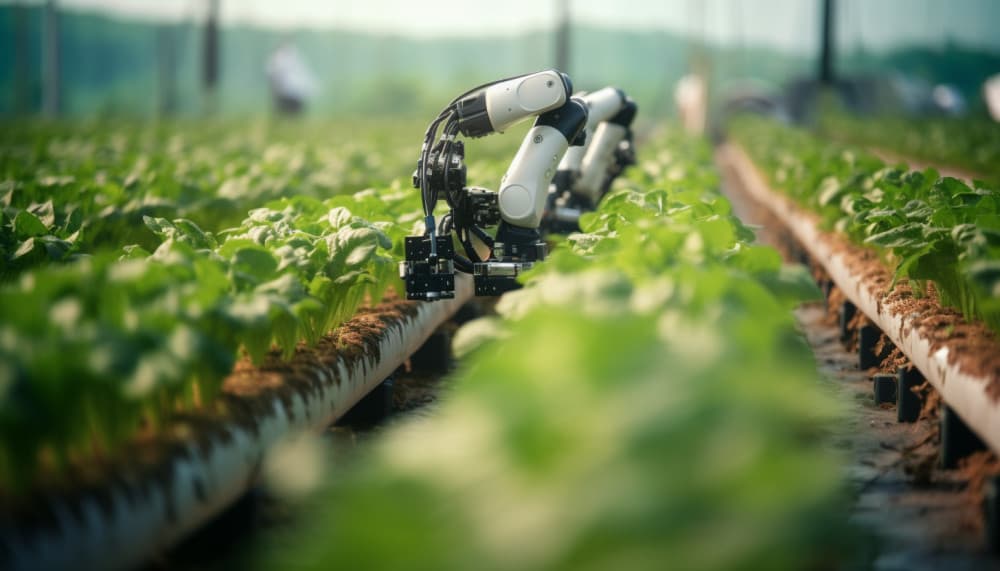
- Use of Technology in Agriculture: Encouragement of precision farming, mechanization, AI applications, and improved seed varieties to enhance productivity and reduce costs.
Environmental Considerations:
- Sustainable Practices: Promotion of integrated farming systems and local resource-based models to ensure sustainability in agricultural practices.
Monitoring and Evaluation:
- Field Monitoring: Emphasis on the need for officials to engage in field visits to assess the real impact of agricultural policies and programs.
- Feedback Mechanisms: Participants, including farmers and women entrepreneurs, shared experiences to improve practices and policies.
Collective Responsibility:
- Call for Unity: A collective commitment from all stakeholders—farmers, scientists, officials, and entrepreneurs—to work towards the vision of a developed and self-reliant India in agriculture.
Conclusion: The initiative led by Minister Shivraj Singh Chouhan emphasizes the integration of agriculture with global markets, sustainable practices, and the empowerment of rural women, aligning with national goals for a prosperous and developed India by 2047.
Key Terms & Concepts
| Shakti Ki Saptadhara | Vision for agricultural development |
| PM Narendra Modi | Visionary for developed India |
| Pusa | Location of the initiative event |
| Lakhpati Didis | Empower rural women financially |
| Indian Agricultural Research Council | Research organization for agriculture |
| Food Processing | Key area for agricultural growth |
| Agricultural Roadmap | Strategic plan for agriculture |
| Natural Farming | Sustainable agriculture practice |
| Self-Help Groups | Support women's economic empowerment |
| Market Access | Connecting farmers to global markets |
| Skill Training | Enhancing women's capabilities |