iAspirants
Empowering Women in Local Governance
Published on:
Share this post
Article Summary
Key Highlights on Women's Political Participation and 73rd & 74th Amendments
Constitutional Framework:
- 73rd and 74th Amendments: Mandate 33% reservation for women in local self-governance (Panchayati Raj institutions and urban local bodies) to promote political participation.
- Emphasis on inclusion of marginalized groups to unlock justice and legal protection through active political roles.
Significant Figures and Milestones:
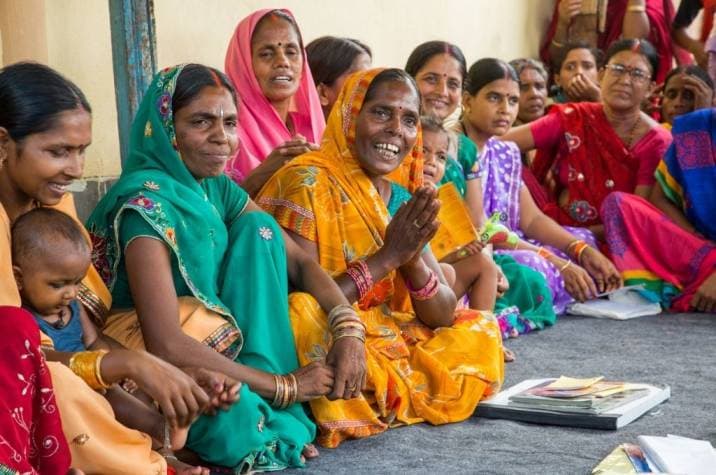
- Women, often starting as proxies, are asserting their own agency in local governance after mastering administrative tasks.
- R. Sharukala, at 22 years, became a notable panchayat president, showcasing women's grassroots leadership and development work, including connecting isolated SC communities.
- T. Panchavarnam received the National Best Panchayat Village Award in 2023, reflecting progress amid resistance from male counterparts.
- Bhuvaneshwari Perumal became the first female chairperson of a district panchayat council in Kallakurichi district.
Judicial Outcomes:
- Legal struggles include high-profile cases like that of Krishnaveni, who, after suffering violent assaults for her leadership role, achieved justice with a double life sentence for the perpetrators through the SC/ST Act.
Challenges Faced:
- Continuation of systemic discrimination, with women, especially from SC communities, facing bureaucratic hurdles and societal prejudices.
- Issues include being sidelined in discussions, inadequate training, and limited opportunities to assert authority within local governance structures.
Development Initiatives and Policies:
- Successful utilization of the 15th Finance Commission and Mines and Minerals funds by women leaders for community water supply projects covering thousands of households.
- Initiatives like Mahila Sabha (women councils) and educational outreach prior to gram sabha meetings promote participation and empower women and children in decision-making.
Importance of Collective Power:
- The establishment of the Tamil Nadu Women Panchayat Presidents Federation has amplified women's collective bargaining power against patriarchal structures, transforming individual challenges into a unified movement for reform.
- Civil society organizations alongside government efforts have aided a narrative shift from mere representation to active, informed participation.
Societal Reflections:
- The experiences and struggles of women in panchayati raj highlight the inherent tensions between legal frameworks of equality and persistent social hierarchies.
- Media’s role in documenting and raising awareness of discriminatory practices against women leaders reflects the challenge to longstanding power structures.
Looking Forward:
- Despite hurdles, the last three decades showcase a significant shift in political participation, where women are increasingly claiming their rightful positions in governance and decision-making processes.
The ongoing trajectory of women's empowerment in local governance, as highlighted through these examples, illustrates the challenges and triumphs in breaking societal norms and asserting political agency.
Key Terms & Concepts
| 73rd and 74th Amendments | Mandates women's reservation |
| 33% reservation | Quota for women in governance |
| 15th Finance Commission | Funding for water projects |
| National Best Panchayat Village Award | Recognition for local governance |
| K. Leelavathi | Murdered local councillor incident |
| SC/ST Act | Legal protection for Dalits |
| Tamil Nadu Women Panchayat Presidents Federation | Support for women leaders |
| Muthammalpuram Scheduled Caste habitation | Infrastructure improvements |
| Tirunelveli Special Court | Judicial decision for justice |
| Mahila Sabha and Bala Sabha | Educating women and kids |
| Droupadi Murmu | President awarding best panchayat |
| 2024 | Year of significant decisions |