iAspirants
Escalating Iran-Israel Military Conflict 2025
Published on:
Share this post
Article Summary
Summary of Iran-Israel Conflict Developments
On June 13, 2025, Israel undertook significant military action against Iran, launching airstrikes targeting various nuclear and military facilities as part of "Operation Rising Lion." This operation, described by Israeli Prime Minister Benjamin Netanyahu as the most substantial attack on Iran in decades, aimed to neutralize what he termed the nuclear threat to Israel.
Historical Context
- Israel and Iran have lacked diplomatic relations since the 1979 Islamic Revolution, with Iran's theocratic regime viewing Israel as an occupier of Palestinian territories.
- Before 1979, Iran had recognized Israel shortly after its establishment in 1948.
- Over the years, Iranian support for groups like Hamas and Hezbollah has escalated tensions, especially following Iran's nuclear ambitions, which Israel perceives as a direct threat.
Nature of the Attacks
- Key targets included the Natanz enrichment facility, Iran’s main site for uranium enrichment, among others like the Fordo facility and the Bushehr nuclear plant.
- Initially, the attacks resulted in no nuclear contamination but caused significant structural damage.
- Military casualties reported included 78 deaths and over 300 injuries among Iranian personnel, with several top military leaders killed, including General Hossein Salami.
Iranian Response
- Following the attack, Iranian Supreme Leader Ayatollah Ali Khamenei denounced Israel’s actions, stating that Iran would respond firmly to what he described as a declaration of war.
- Iran launched drones and ballistic missiles towards Israel, with a portion of these intercepted by Israel's Iron Dome system. Attacks resulted in fatalities and injuries within Israel, further escalating tensions.
International Reactions
- The United States, while distancing itself from the airstrikes, urged Iran to engage in constructive negotiations regarding its nuclear program.
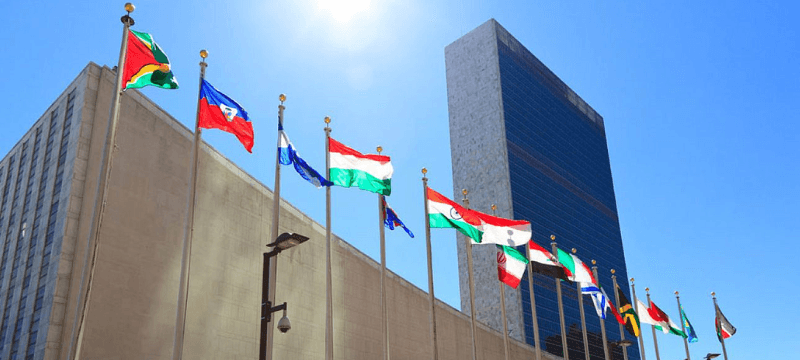
- Saudi Arabia condemned Israel's actions as violations of international norms, while India called for de-escalation, given its ties to both nations.
- Other international stances included the UK enhancing military presence in the region and China emphasizing respect for Iran's sovereignty and calling for restraint from all parties concerned.
Economic and Regional Implications
- The ongoing conflict is expected to influence oil prices and affect shipping routes in the Red Sea.
- Military capability comparisons indicate Israel possesses superior technology, posing ongoing challenges for Iran.
- Domestic issues within Iran, such as economic sanctions and civil discontent, may hinder its capacity to respond effectively to the Israeli strikes.
Future Outlook
- The situation remains volatile, with both countries historically reluctant to de-escalate without perceived gains.
- Internationally, there is concern regarding a nuclear-armed Iran, heightening the urgency for diplomatic resolutions as tensions continue.
Key Highlights:
- Israel's "Operation Rising Lion" targeted Iranian nuclear facilities on June 13, 2025.
- The historical lack of diplomatic relations between Israel and Iran began post-1979.
- Significant casualties among Iranian military personnel have been reported.
- Iran vows to respond decisively to Israeli actions, with missile attacks ratcheting up regional tensions.
- International reactions varied, with calls for restraint and negotiations amid escalating conflict.
- Potential economic repercussions, particularly concerning oil prices and shipping lanes, are anticipated.
Key Terms & Concepts
| Operation Rising Lion | Israeli military operation |
| International Atomic Energy Agency | Monitors nuclear activities |
| Nuclear Facilities | Targeted sites in Iran |
| Natanz | Main enrichment site |
| Fordow | Nuclear enrichment facility |
| Bushehr | Nuclear power plant |
| Arak | Heavy water reactor |
| South Pars | Gas field joint venture |
| Iron Dome | Defense interception system |
| Middle East | Regional significance |
| US | International mediator |
| China | Opposes Israel's actions |
| Russia | Supporter of Iran |
| Burkina Faso | Opposes IAEA resolution |