iAspirants
Establishment of Quantum and AI Labs
Published on:
Share this post
Article Summary
Summary of Key Facts and Developments
Establishment of Advanced Labs:
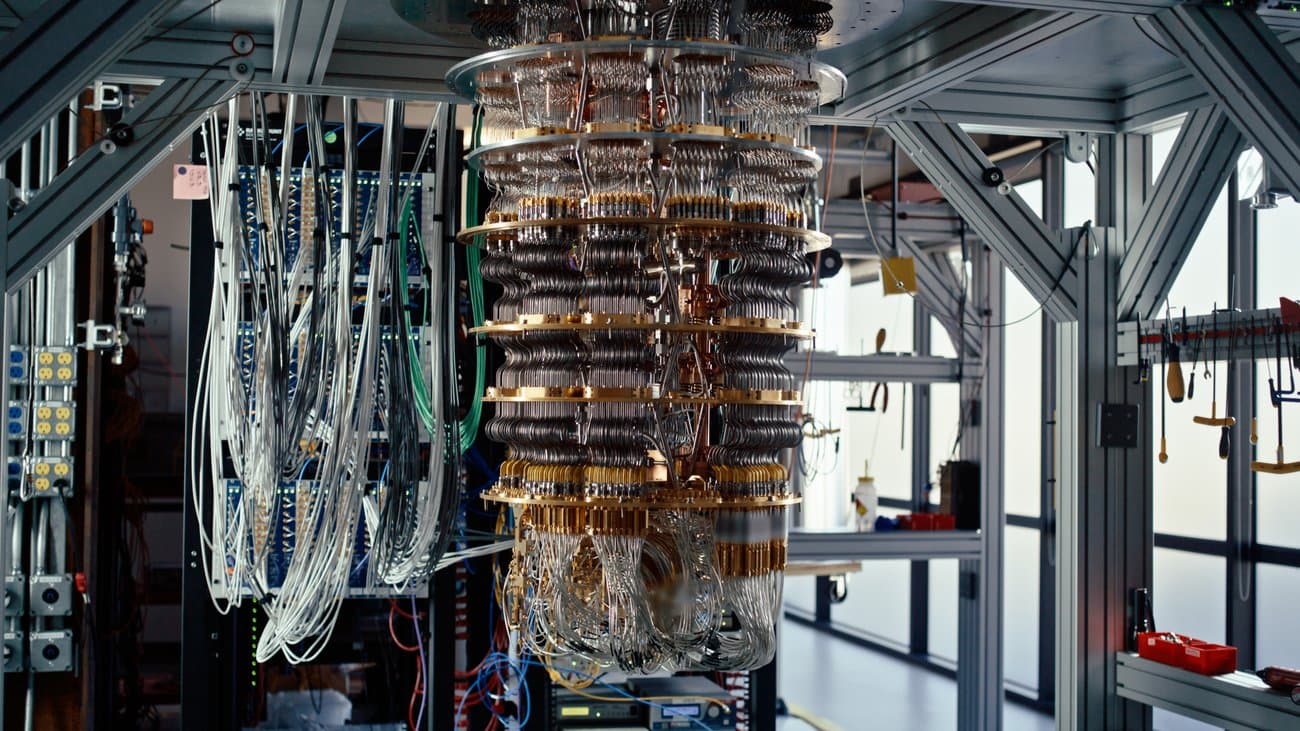
- Advanced Quantum Computing and AI Labs: Announced by Ashwini Vaishnaw, Minister of Electronics and IT, at Malaviya National Institute of Technology (MNIT), Jaipur.
- Objective:
- Develop indigenous capabilities in quantum communication, computing simulation, and quantum sensing hardware components.
- Research in quantum distribution, crucial for national security.
Training and Resources:
- LAM Research's Semiverse Platform:
- Students will receive training on a semiconductor manufacturing and training ecosystem.
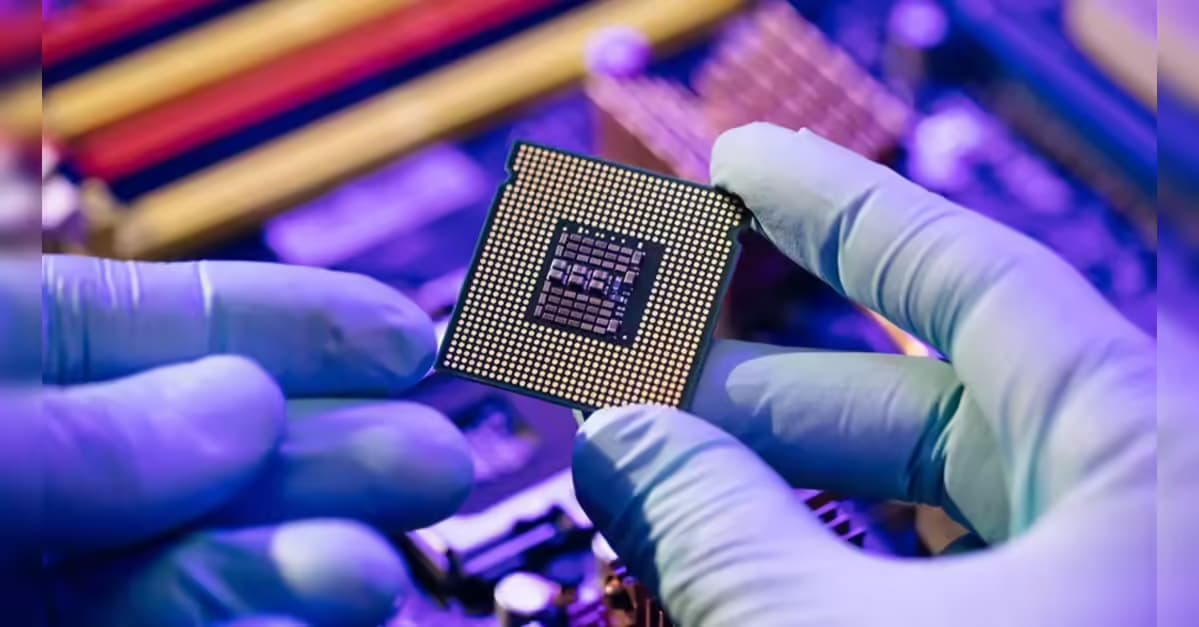
- Enables 3D study of semiconductor chip structures and simulation of manufacturing processes in a virtual environment.
- Workforce Demand:
- Industry anticipates a demand for over 1 million semiconductor design professionals, which India aims to fulfill.
- Major companies like NVIDIA, Qualcomm, ARM, and AMD are already designing advanced 2 and 3-nanometer semiconductor chips in India.
Government Initiatives:
- Chips to Startup (C2S) Program:
- Provides Electronic Design Automation (EDA) tools to over 323 universities.
- Collaboration with leading companies like Synopsys, Cadence, and Renesas for semiconductor design.
- Over 100 chips designed by students have been fabricated at the semiconductor lab in Mohali.
AI and Maker Labs:
- AI Lab at MNIT:
- Aims to foster research and innovation in AI, equipped with advanced computing facilities.
- Connected to the India AI Mission Network.
- Maker Lab Opening:
- Provides practical training opportunities in both software and hardware technologies, including sensors, embedded systems, and electronic systems.
Technological Trends:
- Next Wave of Technology:
- Ashwini Vaishnaw highlighted that while AI currently drives technology advancements, quantum technology will be the next major wave.
Student Engagement:
- Students showcased projects in AI, robotics, drones, structural engineering, and post-quantum cryptography during the minister's visit, reflecting the institution's emphasis on practical and innovative learning.
Implications and Importance
- The establishment of these labs and initiatives signifies a strong governmental push towards enhancing India's technological capabilities in critical areas such as quantum computing and semiconductor design, which are vital for national security and economic growth.
- The focus on training and building a skilled workforce aligns with the broader goals under the National Policy on Electronics and Digital India initiatives, aiming to position India as a global leader in technology and innovation.
Conclusion
The developments at MNIT Jaipur underscore the Indian government's commitment to advancing education and research in cutting-edge technologies, fostering a robust ecosystem for innovation, and addressing the growing demand for skilled professionals in high-tech industries.
Key Terms & Concepts
| Quantum Computing Laboratory | Research facility for quantum technology |
| Artificial Intelligence Laboratory | Research facility for AI advancements |
| MNIT Jaipur | Institute for advanced technology training |
| C2S Program | Chip design support initiative |
| Lem Research Semiverse Platform | Training platform for semiconductors |
| 3D semiconductor chip structures | Study and simulation of chips |
| 100 semiconductor chips | Chips designed by students |
| NVIDIA, Qualcomm, ARM, AMD | Companies designing advanced chips |
| Post-Quantum Cryptography | Research area for secure communication |
| AI Mission Network | Connecting AI research initiatives |
| Makers Lab | Practical training for students |