iAspirants
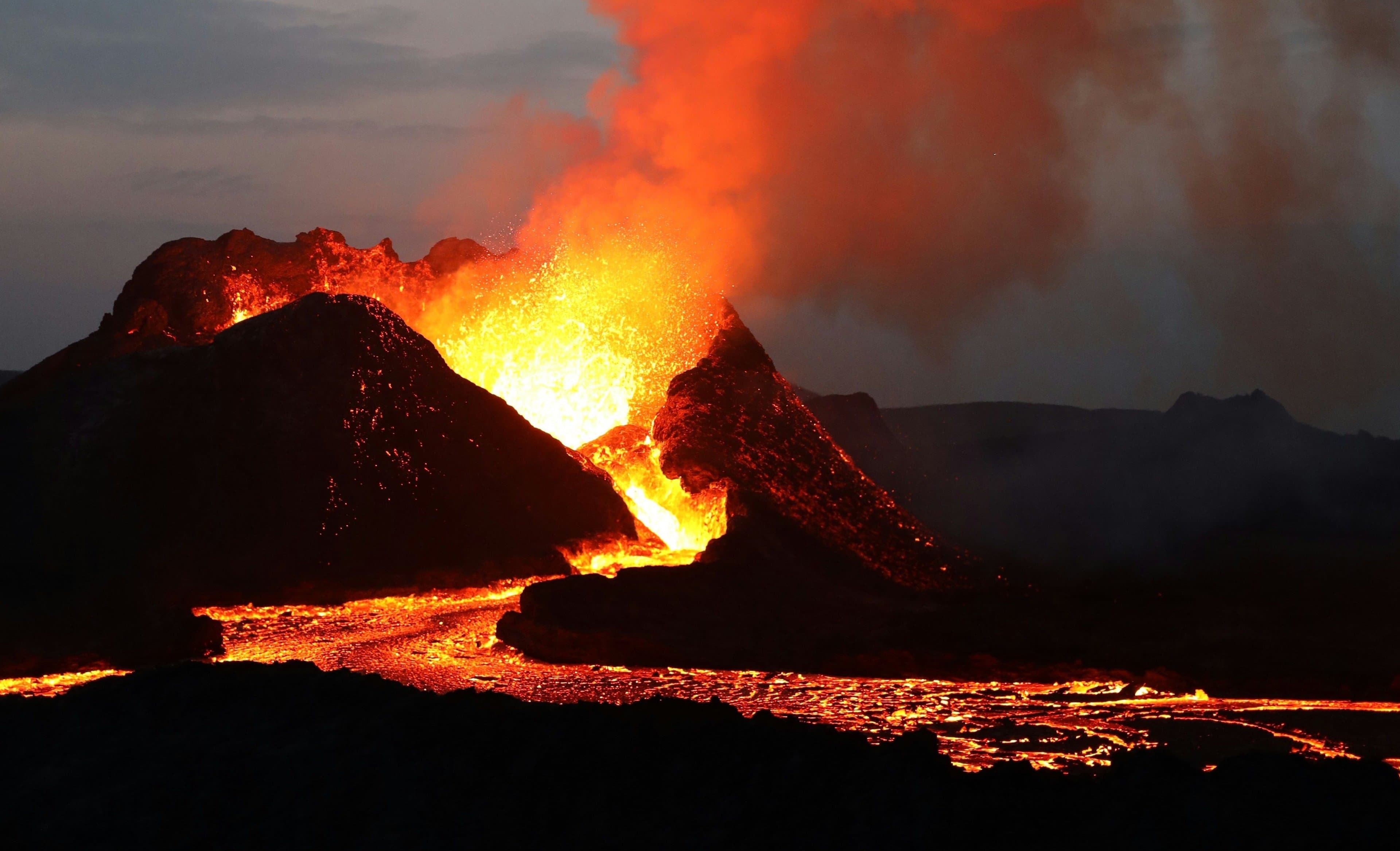
Ethiopia's Hayli Gubbi Volcano Erupts
Published on:
Share this post
Article Summary
Summary Notes on Hayli Gubbi Volcano Eruption
Event Overview:
- Location: Hayli Gubbi volcano, northeastern Ethiopia.
- Eruption Date: November 23, 2023.
- Dormancy: Had been dormant for 12,000 years.
Type of Eruption:
- Characterized as explosive, resulting in thick plumes of ash and gas instead of lava.
- Volcanic Eruption Factors:
- Viscosity of magma.
- Dissolved gas content.
- Determined by the rock composition at the volcano's base.
Scientific Insights:
- Professor Hetu Sheth (IIT Bombay) explains that:
- Magma low in silica is more fluid, allowing gases to escape easily (effusive eruptions).
- Silica-rich magma results in high viscosity, trapping volatiles and leading to explosive eruptions.
- Explosive Mechanism: Accumulation of gas-rich volatiles and pressurization reaches a breaking point.
- Professor Hetu Sheth (IIT Bombay) explains that:
Impact of Eruption:
- Eruption disrupted aviation services due to ash clouds carried by eastward winds.
- Affected countries: Yemen, Oman, Pakistan, India, and China.
- Ash hovered at altitudes of 10-12 km, typical for commercial airline flight paths.
Contextual Data:
- Ethiopia has 58 known volcanoes; 43 have not erupted since the Holocene (last 11,700 years).
- Previous eruptions in the region: Alayta, Bora-Bericha-Tullu Moye, Dallol, Manda-Inakir (1900-1963); Kone and Fentale varied in prior centuries; Dama Ali in the 16th-17th centuries.
Monitoring and Predictions:
- Lack of monitoring contributed to the surprise of the eruption, as Hayli Gubbi was deemed extinct.
- Importance of detecting indicators of volcanic eruptions:
- Rising heat levels.
- Variations in local ground levels.
- Ground uplift from accumulated magma pressure.
- Heating of groundwater.
- Emergence of hot springs and steam.
- Small magma-generated earthquakes.
Comparison with Other Eruptions:
- The explosion echoes the Icelandic Eyjafjallajökull eruption of 2010 after 187 years of dormancy, which also caused significant disruptions in air traffic across Europe.
Environmental Considerations:
- Volcanic eruptions can have significant air quality impacts and ecological effects, necessitating ongoing study and monitoring of volcanic activity.
Conclusion
The eruption of the Hayli Gubbi volcano highlights the complexities of predicting volcanic activity and the potential widespread impacts on aviation and surrounding regions. Ongoing advancements in monitoring technology are crucial for forecasting and mitigating the effects of such natural phenomena.
Key Terms & Concepts
| Hayli Gubbi | Volcano that erupted |
| Ethiopia | Location of the volcano |
| NOAA | Maintains eruption data |
| 12,000 years | Dormancy period |
| 58 | Known volcanoes in Ethiopia |
| 11,700 years ago | Start of Holocene period |
| 10 to 12 km | Altitude of ash clouds |
| 2010 | Year of Eyjafjallajökull eruption |
| Iceland | Location of Eyjafjallajökull |
| pressurisation | Cause of explosive eruptions |
| magma pressure | Indicator of eruption |
| gas-rich volatiles | Components leading to eruptions |
| commercial airlines | Affected by ash plumes |