iAspirants
Current AffairsPrelims PYQsUPSC CSE SyllabusUPSC CSE StrategyBlogsPricing
Login
iAspirants

Your AI-powered companion for UPSC preparation.

Quick Links

  • Home
  • About Us
  • Current Affairs
  • Prelims PYQs
  • UPSC CSE Syllabus
  • UPSC CSE Strategy
  • Blogs

Company

  • Pricing
  • FAQs
  • Contact Us
  • Login

Legal

  • Privacy Policy
  • Terms & Conditions
  • Return Policy

© 2025 iAspirants, Inc. All rights reserved.

  1. Blogs
  2. Environment and Ecology

Evolution of Lizards Post Hurricanes

Published on: 09-Aug-2026

Share this post

Evolution of Lizards Post Hurricanes

Article Summary

Summary Notes on Turks and Caicos Anoles Evolution Study

Key Findings:

  1. Species Studied: Turks and Caicos anole (Anolis scriptus).
  2. Geographical Focus: Pine Cay and Water Cay, islands in the Turks and Caicos.
  3. Natural Events:
    • Hurricane Irma (September 8, 2017) with winds of 265 km/hr.
    • Hurricane Maria (September 22, 2017) with winds of 200 km/hr.
    • Both hurricanes significantly damaged vegetation and impacted lizard populations.

Evolutionary Changes Observed:

  • Morphological Adaptations Post-Storm:
    • Longer forelimbs.
    • Shorter hind legs.
    • Shorter toes on hind legs.
    • Larger toepads (front and back).
    • Evolutionary trait of a shorter fourth hind toe (previously longest toe) examined.

Genetic Insights:

  • Study Publication: Research findings published in Current Biology.
  • Gene Frequencies:
    • Five genes showed increased frequency post-hurricanes, linked to muscle and skeletal development.
    • Notably, hs6st1 gene associated with shorter fourth toe development.

Experimental Methodology:

  1. CRISPR Technology:
    • Applied to brown anole (Anolis sagrei) embryos to investigate the role of hs6st1.
    • Resulting phenotype exhibited shorter fourth toes and altered toe cartilage.
  2. Wind Tunnel Experiment:
    • Brown anoles subjected to winds of 118 km/hr.
    • Observed behavior indicated that shorter first toe bones improved grip, allowing lizards to cling longer.

Implications for Evolutionary Biology:

  • The rapid genetic changes underscore potential adaptive evolution in response to extreme environmental challenges.
  • Highlights the significance of studying the impacts of climate change and extreme weather on wildlife populations, potentially observable within a single generation.

Environmental and Scientific Context:

  • Extreme Weather Trends: The research emphasizes awareness of increasing frequency and severity of extreme weather events due to climate change and their effects on biodiversity.
  • Future Research Directions: Calls for further investigation into evolutionary adaptations in wildlife as environmental conditions evolve.

Conclusion:

The study demonstrates rapid evolutionary changes in lizards due to extreme weather events and signals broader implications for understanding adaptation mechanisms in species amidst climate change.

Key Terms & Concepts

Hurricane IrmaCategory 5 hurricane
Hurricane MariaCategory 5 hurricane
265 km/hrSustained winds of Irma
200 km/hrSustained winds of Maria
Anolis scriptusSpecies studied
Princeton UniversityResearch institute involved
Harvard UniversityResearch institute involved
hs6st1 geneGene linked to traits
Current BiologyJournal published findings
CRISPRGene-editing technology used
Wind tunnelExperimental setup for testing
NaturePublishing journal for evolution study
Future extreme weather events

Mind Map for UPSC Civil Services Revision

Turn UPSC Civil Services Current Affairs Into Exam-Ready Notes

Reading Environment and Ecology current affairs is half the work. Revise them with ready-made notes and test what actually stuck.

  • Daily UPSC Civil Services current affairs analysis
  • Revision notes, mind maps & MCQs
  • Prelims mock tests with instant results

Related UPSC Civil Services Current Affairs Articles

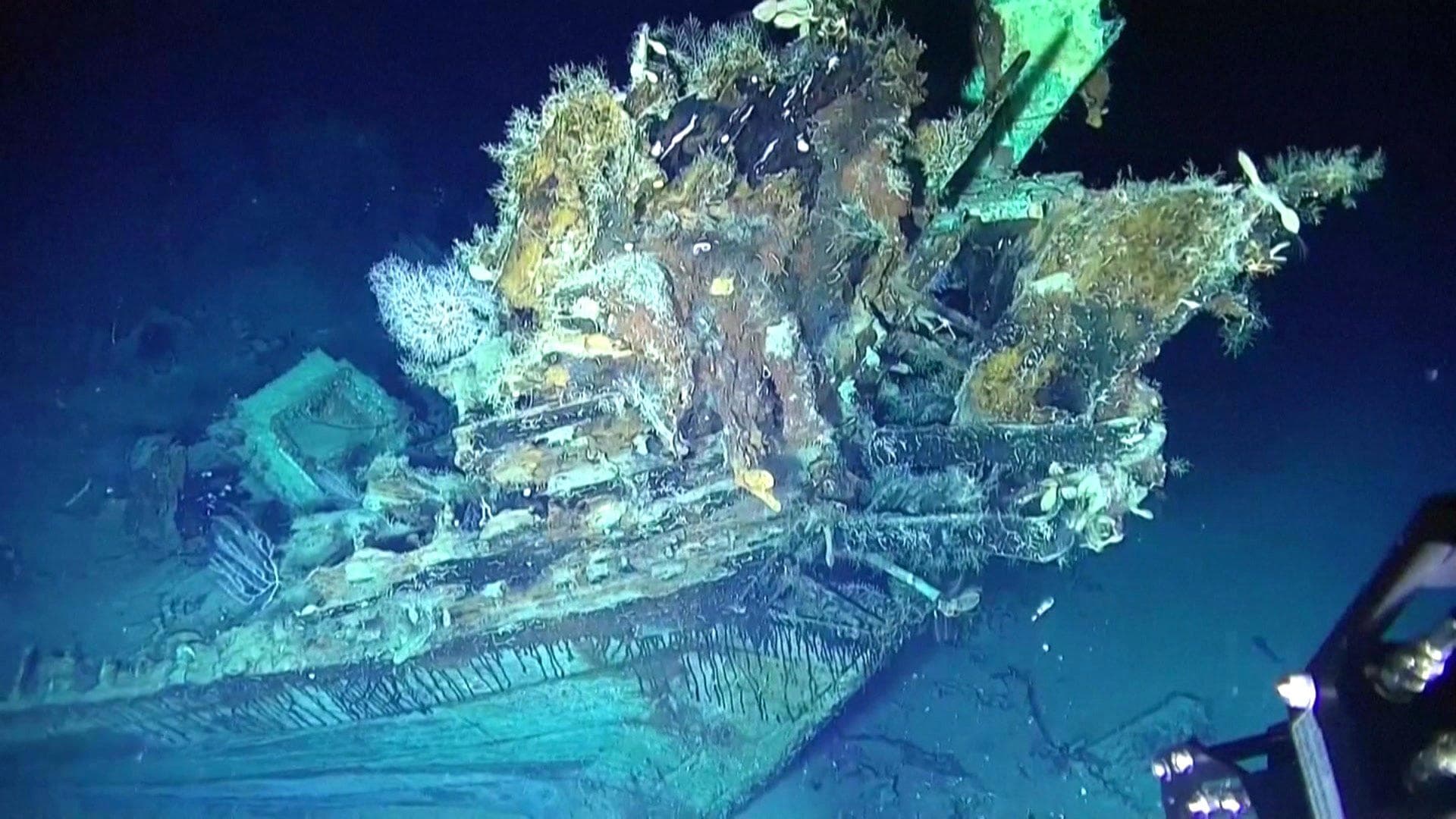
Assessment of MSC Elsa 3 Wreck
National and International Importance23-Sep-2026

Assessment of MSC Elsa 3 Wreck

Key Points on MSC Elsa 3 Wreck Case

Judicial Context

  • The Kerala High Court is hearing public interest litigations (PILs) regarding the removal of the wreck of MSC Elsa 3, a Liberia-flagged ship that sank off Alappuzha's coast in 2025.
  • The Division Bench consists of Justices V. Raja Vijayaraghavan and K.V. Jayakumar.

Maritime Administration Involvement

Predicted increase in severity
  • Directorate General of Maritime Administration (DGMA) informed the court about steps taken to assess the wreck's situation.
  • DGMA requested assistance from the Indian Navy to perform an underwater survey of the submerged containers and hazardous cargo.

Technical Surveys

  • Two Indian firms, C Track Surveys and Fugro Survey India Pvt. Ltd., have the technical capabilities to conduct multibeam and side scan surveys of the wreck site.
  • The costs of the proposed surveys are to be borne by Mediterranean Shipping Company (MSC), supervised by competent authorities.

Committee Proposal

  • A proposal for the constitution of an inter-departmental committee to oversee the survey consists of:
    • Ministry of Ports, Shipping and Waterways
    • Mercantile Marine Department
    • Ministry of Environment, Forest and Climate Change
    • Kerala State Disaster Management Authority
    • Scientific and technical institutions like the National Institute of Oceanography and National Institute of Ocean Technology.

Responsibilities Under Relevant Laws

  • According to the Merchant Shipping Act, 2025, the case involves assessing if the wreck poses a hazard based on factors such as:
    • Characteristics of the wreck
    • Tidal range & depth in the area
    • Proximity to protected areas, shipping routes, offshore pipelines, and tourist spots
    • Meteorological conditions & sensitive sea areas.

Impacts & Public Interest

  • The court hearings focus on the potential hazards to the marine environment and local fishing communities and the need for responsible handling of hazardous materials from the wreck.
  • Affected fishermen have sought compensation for impacts stemming from the wreck.

Conclusion

The proceedings highlight the intersection of maritime law, environmental protection, and public safety in maritime incidents, demonstrating the role of various governmental bodies and the legal framework guiding the response to maritime hazards.

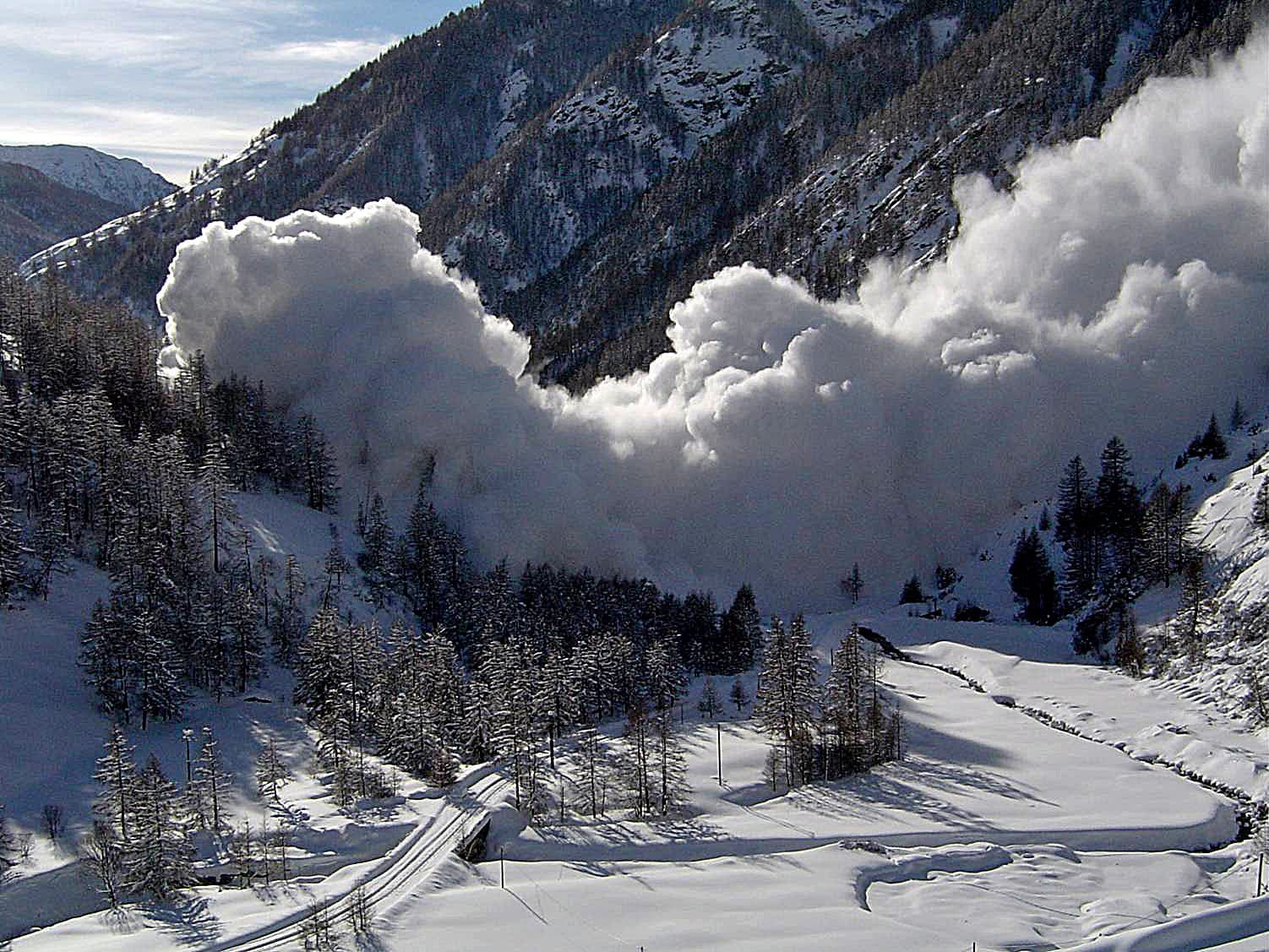
Avalanche Risks and Future Solutions
Environment and Ecology23-Sep-2026

Avalanche Risks and Future Solutions

Disaster Overview:

  • Recent geological disasters in Nepal and Tibet involved a rock-ice avalanche leading to a debris flow.
  • Similar events occurred in Chamoli (2021) and Dharali (2025), highlighting the increasing risk of these disasters due to changing climatic conditions, including accelerated deglaciation and thawing permafrost in the Himalayas.

Impact of Rock-Ice Avalanches:

  • Rock-ice avalanches are not classified as "natural disasters" until they affect human life and surroundings.
  • The physical impact of the Rasuwa avalanche mimicked seismic activity, falsely suggesting an earthquake.

Glacial Lake Outburst Floods (GLOFs):

  • GLOFs pose significant risks to Himalayan communities; an estimated 15 million people globally are under threat, predominantly in High Mountain Asia.
  • The disaster's origin was a rock-ice avalanche rather than a GLOF, complicating risk assessment and management efforts.

Monitoring and Prediction Challenges:

  • Current methodologies for predicting rock-ice avalanche impacts, unlike GLOFs, are inadequate- as there are no defined monitoring systems in place for every affected valley.
  • Strategic planning is needed to identify high-risk slopes effectively for potential catastrophic failures.

Workers’ Safety:

  • Numerous fatalities in previous disasters involved workers from hydropower projects located in vulnerable areas directly impacted by hazardous flows.

Technological and Scientific Advancements:

  • Recommendations include developing a dense network of seismic stations to detect landslide-generated earthquakes.
  • Current detection systems exist for extreme flood events but require improvements in real-time monitoring and communication to ensure timely warnings to communities.

Collaboration and Funding Needs:

  • Effective disaster risk management in the Himalayan region necessitates international collaboration and significant investment—potentially requiring tens of millions of dollars for infrastructure improvement.

Societal Considerations:

  • Community education and trust in warning systems are critical for effective disaster response.
  • Discussion regarding sustainable development and land-use pressures must occur as the region faces increasing geological and climatic threats.

Future Preparedness:

  • Future disaster risk strategies should integrate scientific research with community action to enhance preparedness and resilience against potential disasters.
  • Essential questions remain about sustainable development practices that prioritize human safety while respecting ecological integrity.

Conclusion:

  • The dynamics of geological disasters necessitate a multidisciplinary approach that encompasses scientific, technological, and community engagement to mitigate future risks effectively.
Debate on Ecologically Sensitive Areas
Environment and Ecology22-Sep-2026

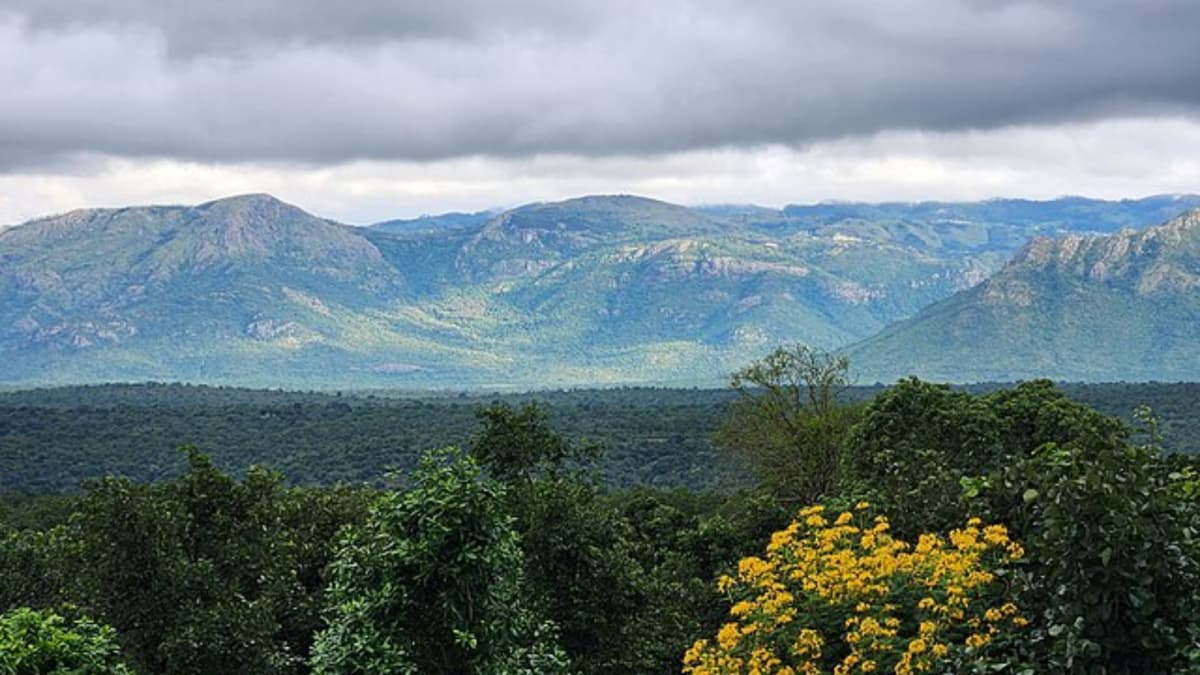
Debate on Ecologically Sensitive Areas

Summary of Key Points from the Debate on the Ecologically Sensitive Area (ESA) in the Karnataka Assembly

Background

  • The discussion centers on the draft notification regarding Ecologically Sensitive Areas (ESA) issued by the Indian central government, a direct result of recommendations from the Kasturirangan report concerning the Western Ghats.

Political Context

  • The debate revealed significant political divisions, with blame being assigned to different administrations for the ESA notification's origins.
  • Ruling Congress members held the NDA (National Democratic Alliance) government responsible for issuing the draft notification, while BJP members countered that the initial groundwork was laid by the previous UPA (United Progressive Alliance) government.

Key Figures

  • Eshwar B. Khandre (Minister, Congress): Advocated for a special package for affected areas and pointed out that multiple objections from the State to the draft had not been addressed by the Centre.
  • B.Y. Vijayendra (BJP): Defended his party’s position, asserting that the process leading to the ESA identification began under the UPA government with the establishment of the Madhav Gadgil Committee by then-Minister Jairam Ramesh.

Constitutional and Legal References

  • The Kasturirangan committee's report and subsequent draft notification fall under the broader environmental governance framework, which includes judicial interpretations from bodies like the Supreme Court and the National Green Tribunal, although no specific orders from these bodies were cited in the current context.

Key Arguments

  • Congress' Stance: The ESA notification threatens local livelihoods, and the Centre should provide supports since it is responsible for the current circumstances. Multiple objections have been raised that remain unaddressed, complicating local governance efforts.
  • BJP's Position: Countered that the foundation for the current ESA concerns was laid by the prior administration, implying a continuity of responsibility across different governmental phases.

Government Responses and Initiatives

  • The Chief Minister, D.K. Shivakumar, emphasized the need for unity against external pressures and clarified that public demonstrations led by state ministers were aimed at supporting affected communities rather than opposing the Centre.

Implications

  • The ongoing discourse about the ESA highlights the critical balance between environmental protection and economic livelihoods, reflecting broader national concerns on sustainable development and federal responsibility in environmental governance.

Conclusion

This assembly session reveals a politically charged environment regarding environmental policy, indicating the complex interplay of governance, accountability, and public discourse, particularly affecting local livelihoods in ecologically sensitive regions.

Prime Minister Celebrates World Rhino Day
Environment and Ecology22-Sep-2026

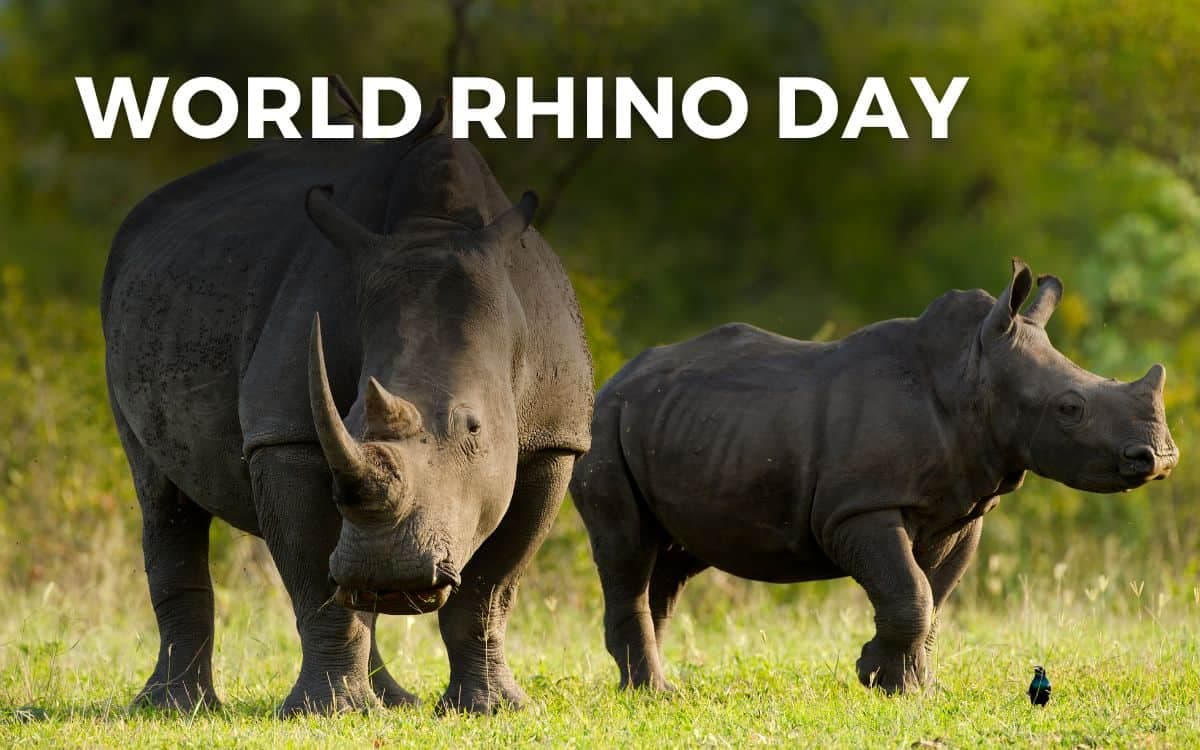
Prime Minister Celebrates World Rhino Day

Summary of Key Facts and Initiatives on World Rhino Day

Conservation Efforts

  • World Rhino Day: Celebrated to raise awareness about the protection of rhinos.
  • Prime Minister's Statement: Emphasized the crucial role of various stakeholders in rhino conservation.

Statistics

  • Rhino Population in Assam: Approximately 80% of the world's greater one-horned rhino population is found in Assam.
  • Kaziranga National Park: Recognized for its significant efforts in combating rhino poaching.

Regional Developments

  • Bihar and West Bengal: Reports indicate that rhinos are either returning or being well-preserved in certain areas.
  • Dudhwa National Park (Uttar Pradesh): Successful history of rhino rehabilitation noted.

Project Rhino

  • Launch of Project Rhino: Initiated to enhance species conservation efforts across India.
Climate Action and Environmental Impact
Environment and Ecology21-Sep-2026

Climate Action and Environmental Impact

Climate Action in India

  • Emission Statistics: India has lower per-capita emissions but faces challenges with rising energy demand due to urbanization and industrial growth.
  • Renewable Capacity: Significant progress has been made in renewable energy capacity.
  • Transition Strategy: The need for a credible transition strategy that includes:
    • Investment in green public transport.
    • Development of energy-efficient buildings.
    • Improvement of storage technologies.
    • Promotion of decentralized renewable power.
  • International Cooperation: Developed nations need to provide predictable climate finance and access to technology.
  • Practical Approach: A combination of equity, accountability, and measurable targets is vital in addressing climate responsibility, focusing beyond just current averages.

Environmental Concerns

  • Idol Immersion Pollution:
    • Concern over the environmental impact of idol immersions in water bodies such as those in Bengaluru.
    • Idols made from Plaster of Paris and coated with synthetic paints are releasing heavy metals like lead and mercury, harming aquatic ecosystems and human health through bioaccumulation.
  • Local Solutions: Advocacy for the use of natural clay idols and non-toxic colors to minimize environmental damage.
  • Government Action: Call for a complete ban on chemical paints and non-biodegradable materials used in religious celebrations to protect shrinking lakes and water bodies.

National and International Sporting Performance

  • Asian Games vs. Olympics:
    • Critical observation regarding India's 'bloated' medal tally at the Asian Games not accurately reflecting performance at the Olympic level.
    • Emphasis on the need to measure sporting success against global standards rather than regional dominance, indicating ongoing gaps in global competitiveness for Indian athletes.

Key Takeaways

  • Environmental Policies: Recommendations for policy shifts towards sustainable practices in cultural traditions to protect the environment.
  • Sporting Framework: Need for a realistic assessment of India's sports programs to align targets with international competitiveness.
  • Investment in Climate Action: Highlight the requirement for significant investment in infrastructure and technology to address climate change effectively.

This summary encapsulates essential data, statistics, and observations relevant to climate action, environmental issues, and sports performance in India for an academic or examination context.

Strengthening Critical Minerals Recycling Ecosystem
Environment and Ecology21-Sep-2026

Strengthening Critical Minerals Recycling Ecosystem

Key Highlights from the National Seminar on India's Critical Minerals Recycling Ecosystem

Objective:

  • Strengthening the recycling ecosystem for critical minerals in India to promote a circular economy.

Key Officials:

  • G. Kishan Reddy: Union Minister of Coal and Mines
  • Satish Chandra Dubey: Minister of State for Coal and Mines
  • Keshav Chandra: Secretary, Ministry of Mines

Important Themes Discussed:

  1. Strategic Importance of Critical Minerals:

    • Essential for clean energy transition, defense preparedness, digital economy, and advanced manufacturing.
  2. Policy and Collaboration:

    • Emphasis on collaboration among government, industries, research institutions, and startups to enhance domestic recycling capabilities.
    • Call for responsible e-waste management and innovation in recycling technologies.
  • Objectives:
    • Financial and technical support for states involved in rhino conservation.
    • Focus on habitat management, genetic improvement, and understanding population dynamics.
  • Government Commitment

    • The initiative reflects the ongoing commitment of the Indian government to wildlife management and species preservation in bordering states.

    Conclusion

    The Prime Minister's remarks and the launch of Project Rhino signify a robust governmental approach towards the conservation of the one-horned rhinoceros, showcasing collaborative efforts and a targeted strategy to ensure the survival of this species in India.

  • Public Participation:

    • Encouragement for citizens to view e-waste and end-of-life (EOL) products as valuable resources for mineral recovery.
  • Resource Efficiency and Circular Economy:

    • Highlighting the need for efficient use of resources to build a self-reliant and circular ecosystem.
    • Exploration of e-waste, industrial waste, and other materials as secondary sources for mineral recovery.
  • Technological Advancements:

    • Discussions on advancements in recycling technologies, particularly for lithium-ion batteries and non-ferrous metals.
  • Government Initiatives:

    • Launch of a concept paper outlining a strategic framework to enhance critical minerals recycling, emphasizing:

      • Efficient resource use.
      • Recovery from secondary sources.
      • Development of a circular and self-reliant ecosystem.
    • Special campaigns focusing on:

      • Sustainable Resource Use: Initiatives under "Cleanliness is Service" to raise awareness on e-waste disposal and promote formal recycling.
      • Special Campaign 6.0: Aimed at responsible e-waste management.

    Economic and Environmental Impact:

    • Efficient recycling can reduce dependence on primary sources, improve resource utilization, and foster a sustainable economy.
    • The seminar aimed to address the need for a coordinated and timely action plan involving all stakeholders to strengthen India's critical mineral security.

    Technical Sessions:

    • Technical discussions on:
      • Recycling of critical minerals and e-waste collection.
      • Recovery of metals from lithium-ion batteries and export of black mass.
      • Policy measures required to strengthen the recycling sector.

    Conclusion:

    The seminar underscored the critical role of recycling in achieving environmental sustainability and resource efficiency in India, aligning with broader national goals for a circular economy and self-reliance.