iAspirants
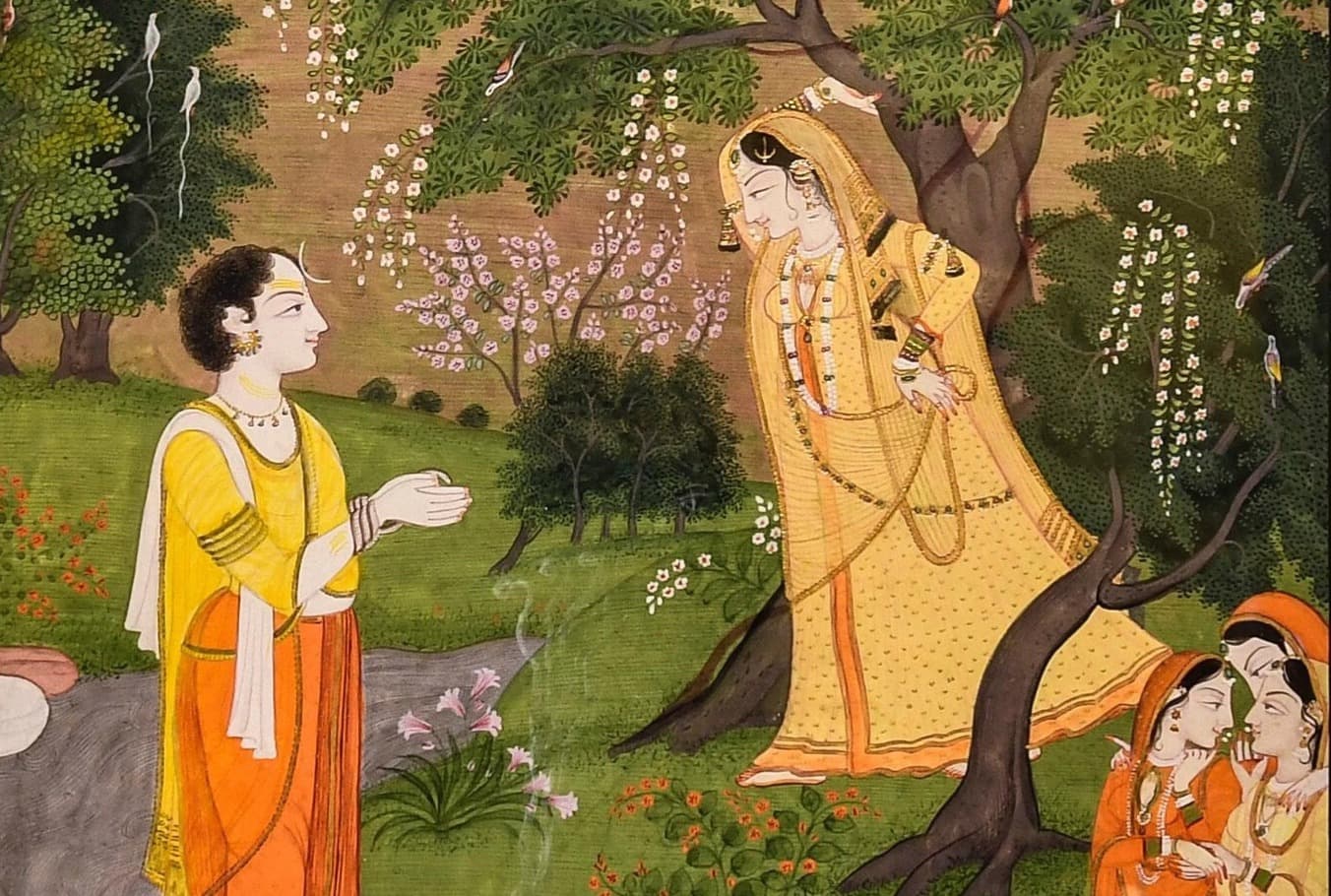
Exhibition of Old Indian Paintings
Published on:
Source: The Hindu
Share this post
Article Summary
Exhibition Overview: An exhibition of Old Indian Paintings and Textiles was inaugurated by Her Highness the Maharanee Gaekwar of Baroda in Bombay. This event is organized by a newly formed society aimed at promoting Indian art.
Collection Chronology: The presented collection spans from the second century B.C. to the early 19th century, showcasing India's rich artistic history.
Textiles Significance: The textiles exhibited are noted for their variety and excellent design. They exemplify the craftsmanship of Indian looms, a traditional art form that is diminishing.
Epics Illustrations: A highlight of the exhibition includes illustrations from India's two great epics lent by the Baroda Museum. These are original signed paintings from various artists, demonstrating different conventions, methods, and styles prevalent during the Court of Akbar.
Cultural Importance: The event signifies the preservation and appreciation of Indian art, reflecting the importance of cultural heritage and historical craftsmanship in contemporary society.
Institutional Support: The involvement of the Baroda Museum signifies institutional support for the arts, which is crucial for the preservation of cultural heritage.
This summary captures the essence of the exhibition and its contributions to the appreciation of Indian art and culture.
Key Terms & Concepts
| Maharanee Gaekwar of Baroda | Opened the exhibition |
| Bombay | Location of exhibition |
| Exhibition of Old Indian Paintings and Textiles | Event showcasing Indian art |
| Second century B.C. | Time period referenced |
| 19th century | Time period referenced |
| Baroda Museum | Source of paintings |
| Court of Akbar | Historical context for art styles |
| S. Ganguly | Curator of Baroda Museum |