iAspirants
Exploring Kerala's Rich Artistic Heritage
Published on:
Share this post
Article Summary
Summary Notes on Kerala's Art Heritage and "The Forgotten Atelier"
Key Facts and Figures:
- Author: Sharat Sunder Rajeev
- Book: "The Forgotten Atelier" detailing the ivory carving tradition of Travancore and lesser-known artists.
- Timeline: Research for the book took 15 years.
Historical Context:
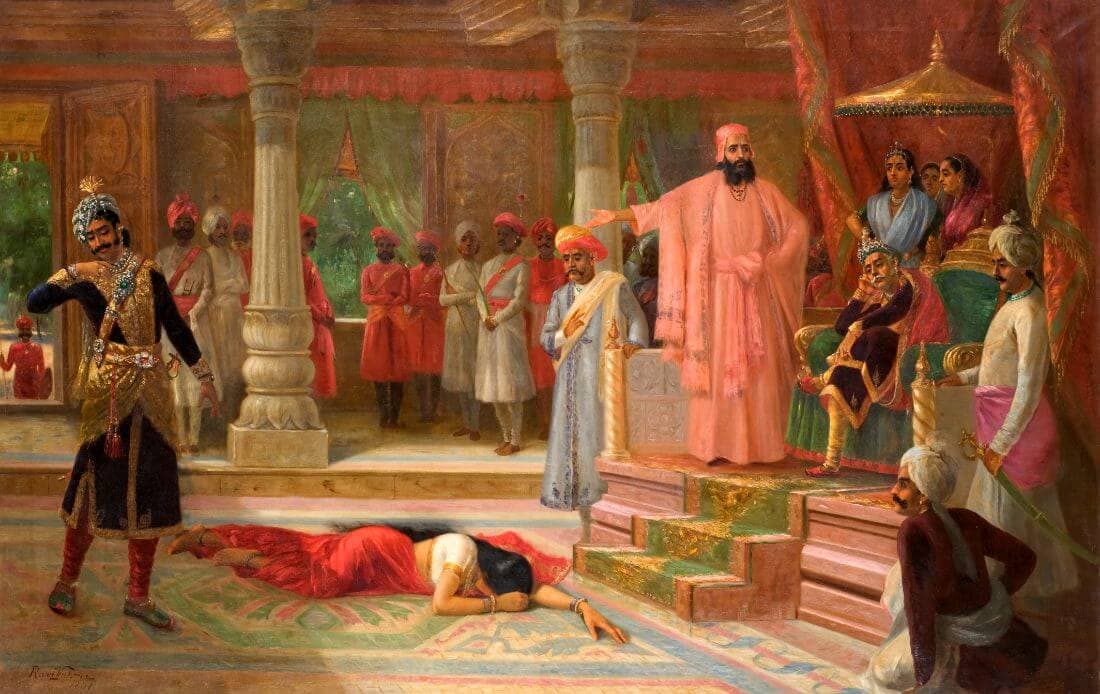
- Raja Ravi Varma is a prominent figure in Kerala's art, but the region has a diverse artistic legacy that includes mural paintings and Deccani miniatures.
- Women in Ravi Varma's family, notably Rohininaal Tampuratti, Makamnaal Kunjikavu Tampuratti, and his sister Mangala Bayi, were early artists in his lineage, which has influenced subsequent generations.
Notable Artists:
- Ramaswamy Naidu: An under-recognized artist from the Naidu community, one of the first Indians trained in Western academic oil painting, who became a leading figure at the Travancore court.
- Other notable contemporaries of Ravi Varma included K. Sekhara Warrier, P. Mukundan Tampi, and K. Madhava Warrier, who contributed significantly to 19th-century South Indian art.
Artistic Influences:
- Cultural Exchange: The arrival of the Deccan art style to Kerala was influenced by political alliances during the Anglo-Mysore Wars, facilitating artistic exchanges between Travancore, Marathas, and European artists.
- The 19th century saw increased interaction with European artists who introduced techniques like realism and oil painting to Indian royal portraiture.
Artistic Techniques and Styles:
- The book emphasizes that artistic traditions have been fluid and not confined by geographic boundaries, as they evolved through trade, patronage, and cultural exchanges.
- Kerala's mural traditions had distinct purposes, primarily religious, while Western style paintings catered to modernity and kingship imagery.
Economic and Cultural Significance:
- The Travancore court became a centre for innovative royal portraiture linking it to broader trends across southern India.
- Under colonial influence, artists and collectors in Kerala began to adopt and adapt European styles.
Publication and Accessibility:
- The book faced challenges related to publishing, focusing on a specialized readership with high illustration costs. Rajeev opted for self-publishing to ensure creative control.
Educational Insights:
- The work has implications for understanding the history of art in India, emphasizing the importance of collaborative practices in art creation, exemplified by Ravi Varma's atelier model involving multiple artists.
Conclusion:
"The Forgotten Atelier" sheds light on the rich yet overlooked artistic heritage of Kerala, exploring significant but often neglected figures alongside Raja Ravi Varma, revealing the intricate tapestry of influences that have shaped the region's art scene.
Key Terms & Concepts
| Raja Ravi Varma | Famous Indian painter |
| Sharat Sunder Rajeev | Author of The Forgotten Atelier |
| Travancore | Historical region in Kerala |
| Deccani miniatures | Art style influencing Kerala |
| Maratha Confederacy | Political alliance during colonial period |
| Anglo-Mysore Wars | Significant historical conflict |
| Court painting | Art form prevalent in royal courts |
| Western academic oil painting | Art technique introduced in India |
| The Forgotten Atelier | Book on Kerala's art history |
| Bengaluru | Location of contemporary artists |
| Maharajah Sher Singh | Prominent figure painted by Schoefft |
| Pope Clement XIV | Recipient of the first European portrait |