iAspirants
Exploring the Flora of Nilgiris
Published on:
Share this post
Article Summary
Summary of Key Points on the Nilgiris Ecosystem
1. Geography and Biodiversity
- The Nilgiris are situated at an altitude of 8,650 feet, where the Eastern and Western Ghats converge.
- The region is characterized by distinct botanical tracts shaped by geographical factors (slopes, elevation, vegetation types), including:
- Deciduous forests of the slopes.
- Moist evergreen forests.
- Sholas (woods of the plateau).
- Grasslands of the plateau.
2. Flora and Flowering Patterns
- Flowering species exhibit seasonal variations:
- Peaks from February to May, with additional winter blooms from September to February.
- Notable plant species:
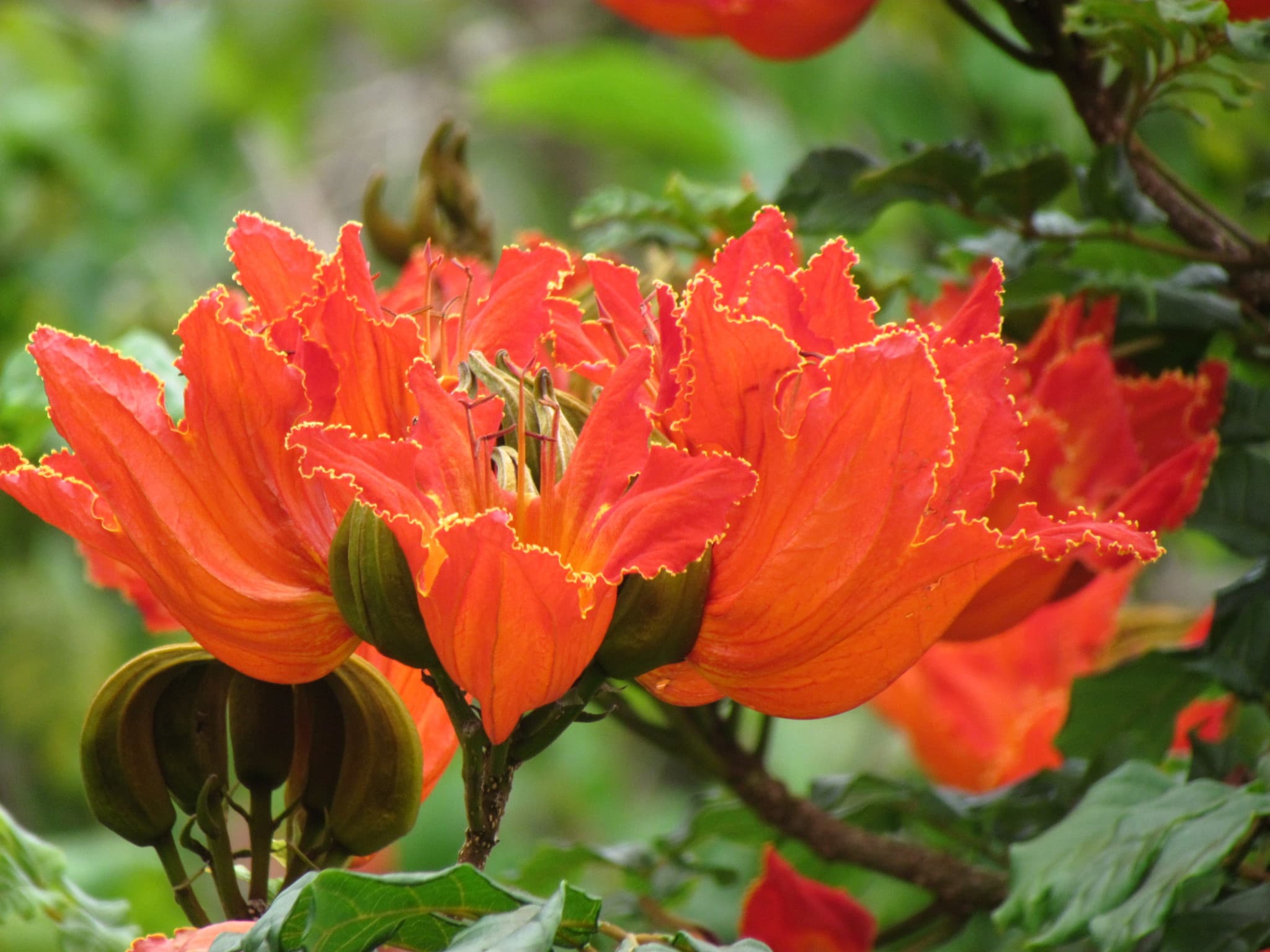
- Spathodea campanulata: Orange-red blossoms native to Africa, common on western slopes.
- Tithonia diversifolia: Bright yellow Mexican sunflower predominating in eastern slopes.
- Ipomoea indica: Funnel-shaped flowers.
- Dahlia imperialis: Tree dahlia with shaggy lavender flowers.
3. Cultural Significance
- Traditional festival Sakkalathi Habba celebrated by the indigenous Badagas, marking the blooming of native plants like Achyranthes aspera.
- Use of local flora as ornaments for traditional practices (e.g., "sakkalathi hoo" for roof decoration).
4. Threats to Native Flora
- Rhododendron nilagiricum: Native species revered by Badagas is now threatened due to habitat loss.
- Key threats include:
- Conversion of forest land for development.
- Climate change impacts.
- Loss of natural ecological buffers.
5. Environment and Ecosystem Fragility
- The delicate nature of the hill ecosystem is highlighted by the pressing threats to biodiversity and native species.
- Conservation efforts are crucial to protect the unique flora and cultural heritage of the Nilgiris.
Conclusion
The Nilgiris region represents a fragile ecosystem that showcases a diverse range of flora, influenced by altitude and microclimatic conditions. The balance between development and conservation is vital to sustain the biodiversity and cultural practices of indigenous communities.
Key Terms & Concepts
| Nilgiris | Mountain range habitat |
| Eastern Ghats | Mountain range region |
| Western Ghats | Mountain range region |
| Spathodea campanulata | Flowering plant species |
| Tithonia diversifolia | Flowering plant species |
| Ipomoea indica | Flowering plant species |
| Dahlia imperialis | Flowering plant species |
| Achyranthes aspera | Herb plant species |
| Rhododendron nilagiricum | Threatened plant species |
| Sakkalathi Habba | Traditional festival |
| Badagas | Indigenous community |
| 250 feet | Height of trees |
| Climate change | Environmental challenge |