iAspirants
Extreme Heat Crisis in India
Published on:
Share this post
Article Summary
Summary of Extreme Heat in India: Key Facts and Insights
Geographic and Demographic Shift:
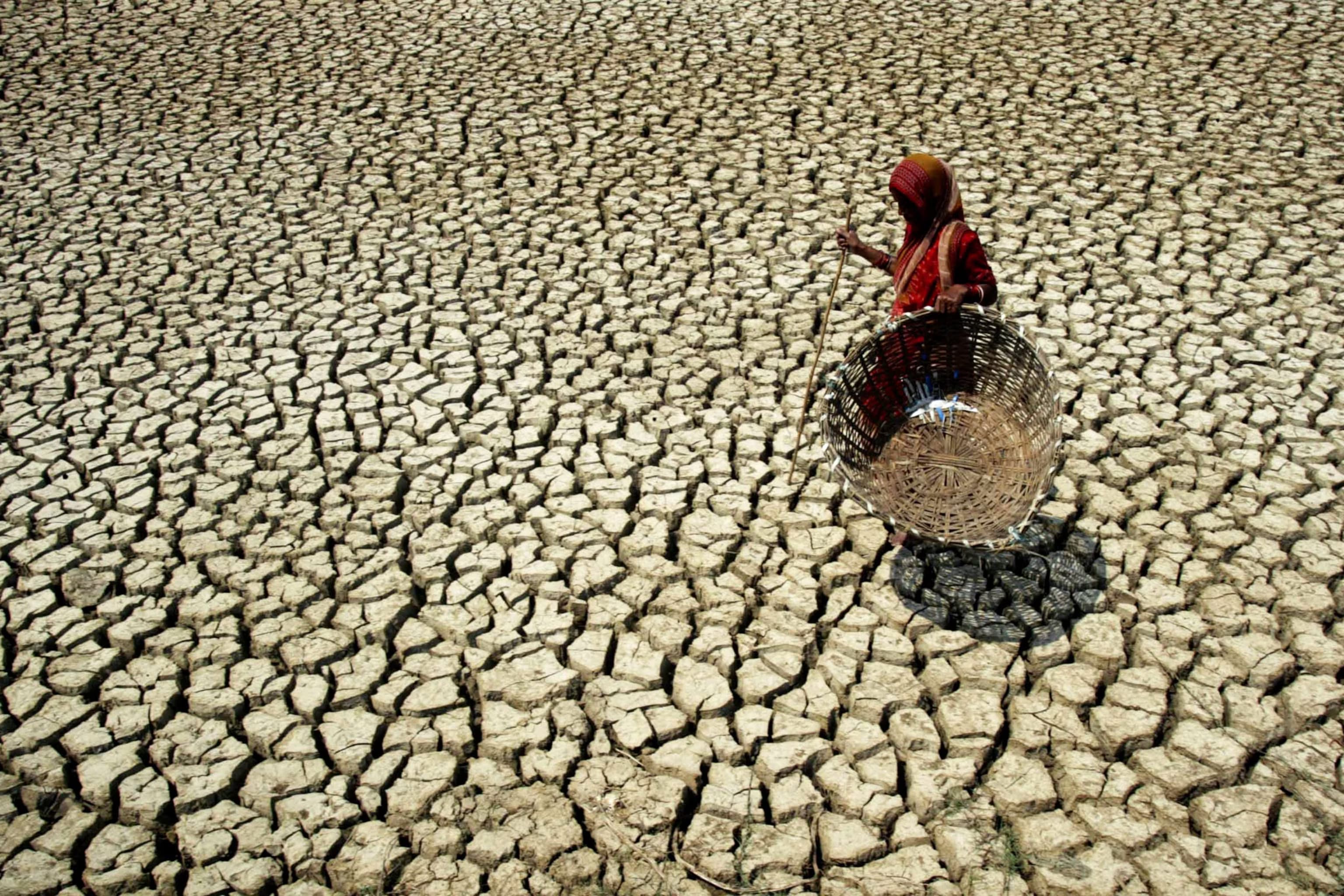
- Heatwaves in India are no longer confined to arid northwest and central plains but now also affect humid coastal areas and traditionally temperate regions.
Statistical Data:
- Over 57% of Indian districts are classified as heat-prone.
- Approximately 400-490 million informal workers are directly affected by extreme heat conditions.
Socioeconomic Impact:
- The experience of heat is deeply divided across class, caste, and gender; affluent individuals manage heat through private cooling systems, while the informal workforce lacks such resources.
- Construction workers, street vendors, and delivery workers face significant challenges, unable to afford cooling solutions, leading to 'thermal injustice'.
Rights and Responsibilities:
- The impact of extreme heat on informal workers constitutes a systemic violation of the fundamental right to life as enshrined in Article 21 of the Indian Constitution.
Economic Consequences:
- Studies indicate that even slight increases in temperature can lead to substantial drops in productivity and income for informal workers, highlighting the economic implications of climate change.
Health and Survival:
- Informal workers often confront the dilemma of biological survival (health risks from extreme heat) versus economic survival (need to work for sustenance).
Labor Rights:
- The situation underscores the importance of recognizing and enforcing labor rights, especially for vulnerable groups, as they lack the 'cooling autonomy' that wealthier individuals possess.
Conclusion: The issue of extreme heat in India reflects broader themes of climate change, socioeconomic inequalities, and human rights, necessitating urgent policy interventions and awareness to protect the most affected populations.
Key Terms & Concepts
| India | Geographic region experiencing heat crisis |
| 57% | Percentage of heat-prone districts |
| 400-490 million | Number of informal workers affected |
| Thermal injustice | Concept related to heat impact |
| Heatwaves | Environmental phenomenon affecting workers |
| Cooling autonomy | Concept related to heat management |