iAspirants
Farmers Coexist with Elephants in Andhra
Published on:
Share this post
Article Summary
Summary Notes on Human-Elephant Conflict Mitigation and Conservation Efforts in Andhra Pradesh
Background
- Location: Affected areas are in the Chittoor district of Andhra Pradesh, encroaching into Tamil Nadu and Karnataka.
- Issue: Increased conflicts between humans (farmers) and wild Asian elephants due to habitat fragmentation.
Constitutional and Legal Framework
- Wildlife Protection Act, 1972: The primary legislation governing the conservation of wildlife in India, relevant for managing human-elephant conflict.
Government Initiatives & Schemes
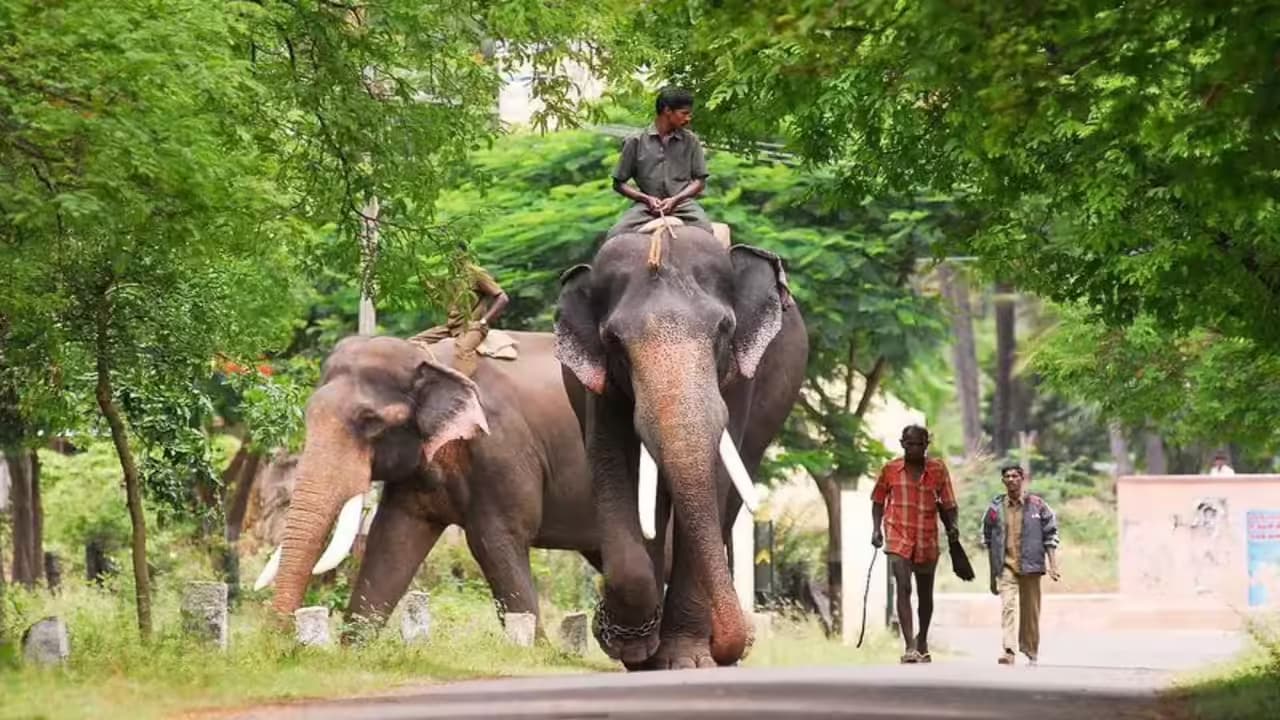
- Kumki Operations: A method introduced around 2005, wherein trained elephants (called 'kumkis') and their mahouts are used to manage wild elephant herds to prevent crop raiding.
- Naniyala Kumki Camp: Established in Ramakuppam, serves as a base for managing elephant movements in the 500 km² Koundinya Wildlife Sanctuary region.
- Palamaner Kumki Camp: Recently established to extend the efforts in managing elephant-human interactions.
Key Practices
- Using Trained Elephants: Two kumkis, Jayanth and Vinayak, are highlighted for their effectiveness in leading wild herds back into forests without causing harm.
- Training: Core kumki elephants are trained to follow up to 64 commands, promoting effective teamwork among the elephants and mahouts.
Human Impact and Community Adaptation
- Chronic Fear and Loss: Farmers have experienced significant crop losses due to elephant incursions; this has led to a transformation in public perception of elephants from destructive entities to wildlife in need of management.
- Community Involvement: Awareness programs and an adoption initiative introduced in 2021-2022 face low participation; public support is deemed crucial for sustainable practices.
Environmental and Ecological Insights
- Fragmented Habitat: Expansion of agriculture and urbanization has led to a 'natural corridor' linking forests breaking down, forcing elephants to migrate closer to human settlements.
- Results of Kumki Operations: Initially viewed as a danger, elephants are being recognized for their ecological role, with community-led conservation efforts shifting perceptions towards coexistence.
Future Directions
- Continued Training & Support: New operators being integrated into the kumki system as elephants like Krishna, Abhimanyu, Ranjan, and Deva undergo training.
- Long-term Vision: Creating a joint environment where human and wildlife interests are balanced; public awareness and vigilance remain essential to mitigating future conflicts.
Economic Considerations
- Resource-Intensive Management: The upkeep of kumki elephants requires substantial financial resources for feeding, veterinary care, and infrastructure which necessitates sustained community contributions.
Conclusions
- The kumki operation, facilitated by the Andhra Pradesh Forest Department, presents a progressive approach to resolving human-wildlife conflict, emphasizing training, community awareness, and resource management for lasting coexistence above reactive measures.
Key Terms & Concepts
| Koundinya Wildlife Sanctuary | Habitat for elephants |
| Tamil Nadu | Source of elephant herds |
| Andhra Pradesh | Affected by elephant raids |
| Elephant management initiative | Kumki elephant operations |
| Naniyala Kumki camp | Operational hub for elephants |
| Palamaner | Location of new kumki camp |
| Chittoor District | High conflict area |
| Jayanth and Vinayak | Key trained kumki elephants |
| Kumki team | Trained elephant management group |
| Over 200 km | Distance elephants traversed |
| 64 commands | Training for kumki elephants |
| District Forest Officer | Leadership in elephant management |
| Public participation |