iAspirants
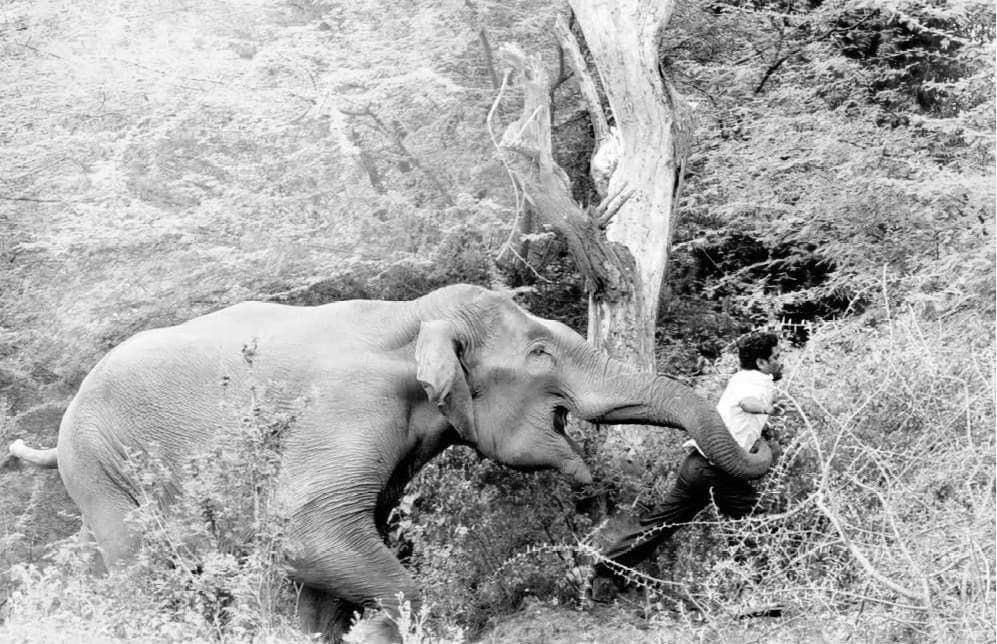
Fatal Elephant Attacks in Jharkhand
Published on:
Share this post
Article Summary
Summary of Key Facts and Data:
Incident Background:
- Location: Benisagar village, West Singhbhum, Jharkhand, India
- Date of Attack: January 5–9, 2025
- Casualties: At least 20 people, including four children, killed by a rogue elephant believed to be separated from its herd.
Victim Accounts:
- Sanju Devi, widow of Prakash Das (killed on January 9), describes the aftermath and devastation faced by families.
- Attacks occurred in multiple villages, with victims often struck during the night while sleeping.
Statistical Data:
- 18 Years of Data: At least 1,270 fatalities due to elephant attacks in Jharkhand, with around 150 elephants killed in retaliation.
- Current Elephant Population: Estimated at 550–600 wild elephants in Jharkhand.
- Notably Affected District: West Singhbhum, characterized by dense forests and intensive mining activities.
Government Response:
- The Forest Department has initiated a search and capture operation, deploying manpower including mahouts from West Bengal and utilizing thermal drones.
- Local vigilance measures include the provision of torches and firecrackers to communities to deter the elephant.
Environmental Context:
- Increased human-elephant conflict attributed to:
- Habitat Fragmentation: Caused by deforestation, mining, industrial expansion, and urbanization.
- Research Findings: A paper published in December 2025 highlights the ecological drivers of human fatalities due to fragmented habitats.
Judicial Insight:
- Research Contribution: Dr. Bilal Habib's study titled "Two Decades of Human–Elephant Conflict in Jharkhand" emphasizes the severe social and economic impacts on local communities, including crop loss and fatalities.
Community Response:
- Villagers are forming watch groups and employing various safety measures, including constructing raised machans (platforms) for refuge.
- There's growing tension and frustration among villagers towards government officials for perceived inaction and insufficient protection.
Policy and Governmental Approaches:
- The Forest Department is enhancing communication with local community leaders to monitor and manage the wandering elephant's location.
- Critically, officials recognize the need for policy reforms to address habitat degradation and promote coexistence strategies between humans and elephants.
Conclusion:
The situation highlights the urgent need for comprehensive policies aimed at mitigating human-elephant conflicts in India, particularly in regions where industrial activities are encroaching on wildlife habitats. Collaborative efforts between government, communities, and conservationists are essential to forge a sustainable solution for both human populations and elephant conservation.
Key Terms & Concepts
| Jharkhand | State experiencing elephant attacks |
| West Singhbhum | Most affected district |
| January 9, 2023 | Date of latest attack |
| 1,270 | People killed in last 18 years |
| 150 | Elephants killed during this time |
| 550–600 | Estimated number of elephants |
| Wildlife Institute of India | Research institution |
| Two Decades of Human–Elephant Conflict in Jharkhand | Research study title |
| Dr. Bilal Habib | Lead researcher on study |
| Deforestation | Cause of habitat fragmentation |
| Mining | Contributing to habitat loss |
| Industrialisation | Factor in habitat fragmentation |
| Urbanisation |