iAspirants
Finalization of Ecologically Sensitive Areas
Published on:
Share this post
Article Summary
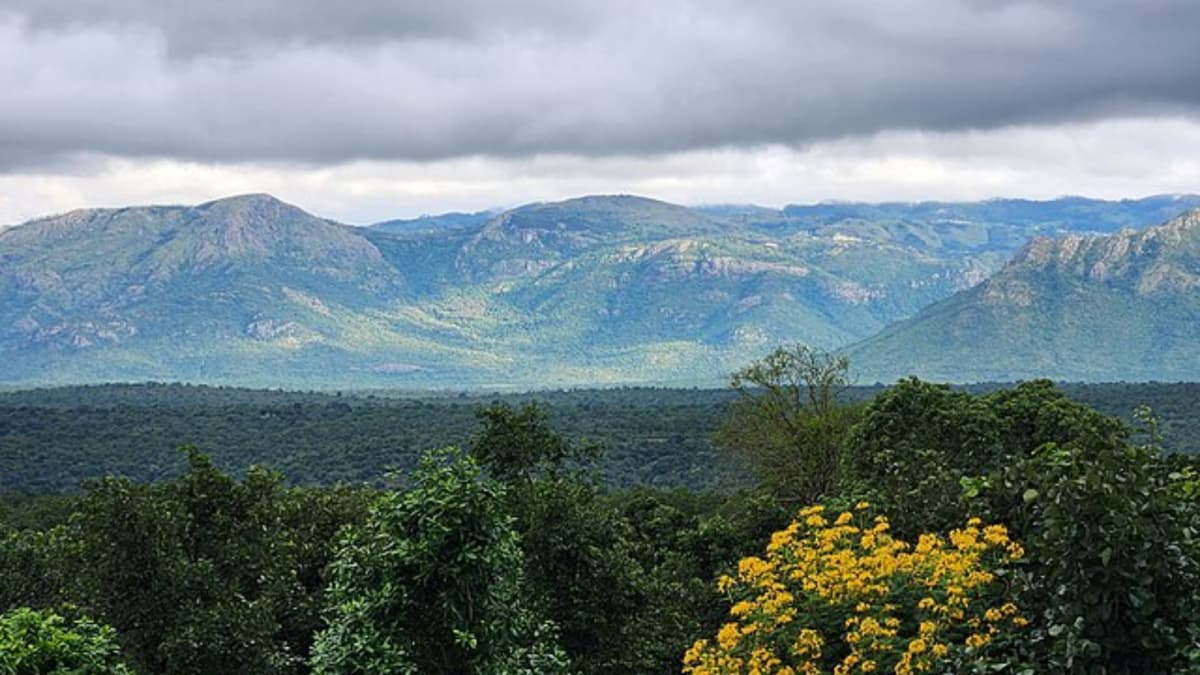
Exam-Focused Notes on Demarcation of Ecologically Sensitive Areas (ESA) in the Western Ghats
Key Information:
- Background: The Centre is preparing to finalize the demarcation of Ecologically Sensitive Areas (ESA) in the Western Ghats, completing a process initiated with the Gadgil Committee in 2010. The Kasturirangan Committee's report from 2013 recommended demarcating approximately 60,000 sq km as ESA.
Proposed Areas:
- Total Proposed ESA: 56,000 sq km across six states:
- Gujarat: 449-470 sq km (64 villages) - conditionally supports ESA, seeks permissions for minor mineral mining in non-forest areas.
- Goa, Maharashtra, and Tamil Nadu: Areas nearly agreed upon; specifics are still being finalized.
- Karnataka: Largest proposed ESA of about 20,668 sq km (36.3% of total) - state government rejects Kasturirangan report but remains in negotiation for alternative protection measures.
- Kerala: Proposes 8,805 sq km (around 1,188.7 sq km reduction desired).
Legal and Constitutional Framework:
- Environment Protection Act, 1986: Final notifications will enhance legal protections for these sensitive areas, allowing the prohibition of potentially damaging activities (e.g., mining, new thermal power plants).
- Judicial Protections: The process will bolster legal safeguarding of the Western Ghats’ biodiversity, recognized as a UNESCO World Heritage Site.
Policy Developments:
- Expert Committee: Established in 2022 to resolve disputes and prepares to issue notifications for several states.
- Summit Timeline: The current period for the draft notification (last issued in 2024) is set to expire in July 2026; the committee's term also concludes.
Environmental Significance:
- Biodiversity: Western Ghats is categorized as one of the world's eight "hottest biodiversity hotspots," critical for numerous endemic species.
- Ecological Impact: The region influences the monsoon system and is a water source for major rivers in southern India (e.g., Krishna, Godavari).
Ongoing Negotiations:
- Disputes and Exclusions:
- Maharashtra: Proposals to exclude certain villages from ESA to allow for ongoing industrial projects.
- Karnataka and Kerala: Both states are negotiating reductions in ESA areas, citing local socio-economic concerns while still recognizing the need for environmental protection.
- Goa: Seeks to exclude specific villages to align with local development needs.
Research and Surveys:
- Ground-Truthing: Conducted by all states to verify data on villages within ESA; crucial for rectifying discrepancies in records used to determine ESA boundaries.
By highlighting these elements, understanding the complexities and importance of the ESA demarcation process within the Western Ghats is essential for exam preparation and environmental policy discussions.
Key Terms & Concepts
| Ecologically Sensitive Areas (ESA) | Demarcation for environmental protection |
| Western Ghats | Biodiversity hotspot and water source |
| K Kasturirangan | Led high-level working group |
| Environment Protection Act, 1986 | Legal basis for ESA protection |
| 2013 Recommendations | Guidelines for ESA demarcation |
| 56,000 square km | Proposed ESA area |
| 6,914 square km | Proposed ESA area for Tamil Nadu |
| July 31, 2024 | Expiry date of draft notification |
| Madhav Gadgil committee | First committee for ESA demarcation |
| Karnataka | Largest proposed ESA area |
| Gujarat | State with final ESA consent |
| 17,340 square km | Proposed ESA area for Maharashtra |