iAspirants
Flash Floods Devastate Nepal-Tibet Border
Published on:
Source: The Hindu
Share this post
Article Summary
Summary Notes on the Nepal-Tibet Border Flash Floods
Incident Overview:
- Date of Incident: August 26, 2026
- Location: Nepal-Tibet border, affecting a pilgrimage route to Manasa Sarovara near Mount Kailash.
Key Facts:
- Pilgrims from Karnataka, India, including a 50-year-old man named Mallinath Kolkundi and his son-in-law Sangamesh, were involved in the incident while traveling with a group of 25 people.
- Group had completed visa formalities on August 25, 2026, and resumed their journey on August 26 at 6 a.m.
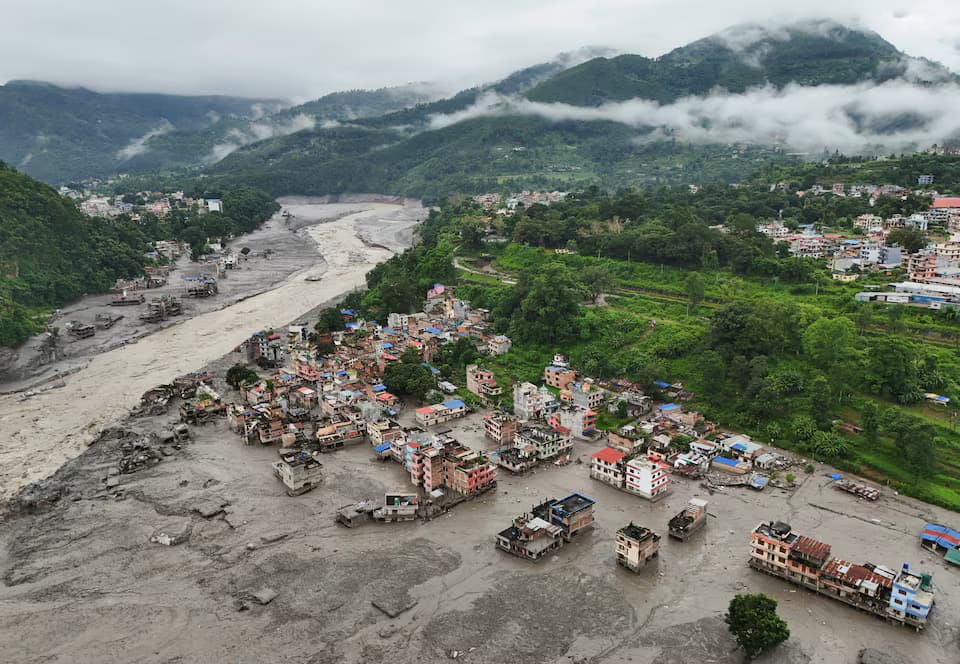
- A sudden flash flood occurred around 9:30 a.m., sweeping through the area unexpectedly.
Nature of the Flood:
- Pilgrims reported hearing a loud sound followed by rapid flooding that destroyed infrastructure within seconds.
- Two buses ahead of their vehicle were reportedly swept away, with little to no warning for those affected.
- Affected amenities included accommodation and immigration facilities, rendered unrecognizable by the flood.
Survival and Response:
- The bus driver’s quick decision to alter the course saved the lives of those on board.
- Survivors were stranded in a safer area, unable to return due to severely damaged roads and ongoing dangerous conditions.
Government Response:
- Karnataka's Chief Minister D.K. Shivakumar reached out via video call to ensure the safety of stranded individuals and provided assurances regarding government support.
- Efforts were announced to contact other Karnataka tourists who may also be affected in Nepal.
Humanitarian Concerns:
- Many tourists were left without information or means of returning home due to the widespread devastation affecting transportation and communication.
- The situation raises concerns about disaster preparedness and response mechanisms in areas prone to such natural calamities.
Implications and Contextual Considerations:
- Events like these highlight the need for enhanced disaster management strategies in hilly and flood-prone regions.
- The role of local and state governments becomes critical in ensuring the safety and well-being of tourists in the aftermath of natural disasters.
Conclusion:
The flash floods along the Nepal-Tibet border illustrate the unpredictability of natural disasters and the importance of quick decision-making in crisis situations. The government response in terms of communication and logistics is essential for the welfare of affected individuals.
Key Terms & Concepts
| Nepal-Tibet border | Affected region by floods |
| August 21 | Arrival date in Kathmandu |
| August 25 | Visa issues resolved |
| 6 a.m. | Departure time from Kathmandu |
| 9.30 a.m. | Time of flood occurrence |
| Karnataka Government | Providing support to affected |
| D.K. Shivakumar | Karnataka Chief Minister's actions |
| Manasa Sarovara | Pilgrimage destination |
| Mount Kailash | Pilgrimage site |