iAspirants
Fossil Fuel Crisis and Clean Energy
Published on:
Share this post
Article Summary
Summary of Key Points on Climate Change and Energy Transition
Global Energy Security and Fossil Fuel Dependency
- The ongoing Middle East conflict has exposed the vulnerabilities associated with fossil fuel dependency, highlighting threats to sovereignty and security.
- The International Energy Agency described the situation as “the greatest global energy security threat in history,” as it causes supply restrictions and soaring energy prices, leading to inflation.
Economic Implications
- Global oil imports are deeply affected, particularly for Asia, which relies on 40% of its oil via the Strait of Hormuz.
- The World Food Programme projects that the war may escalate global hunger to its highest levels, fueling economic instability.
Renewable Energy Transition
- Critics advocate for increased fossil fuel reliance as a response, which contradicts economic logic and exacerbates climate change.
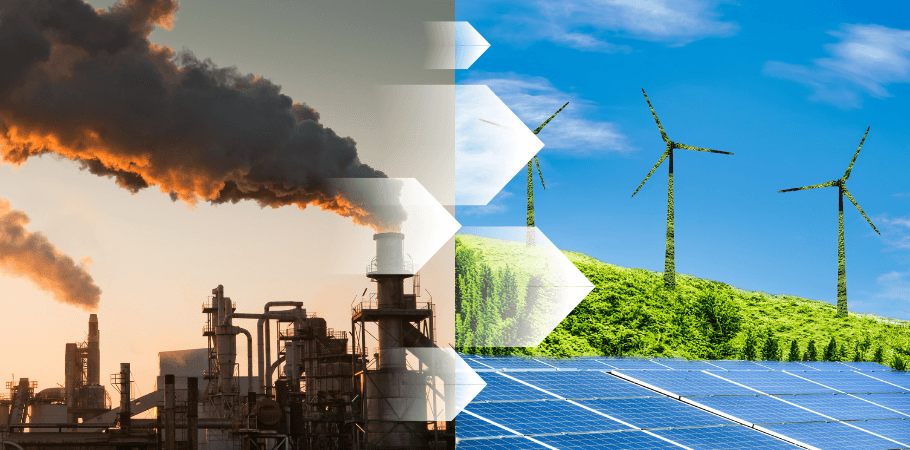
- An urgent shift toward clean energy is proposed, highlighting the importance of renewable energy sources in stabilizing economies against geopolitical tensions.
Environmental Consequences
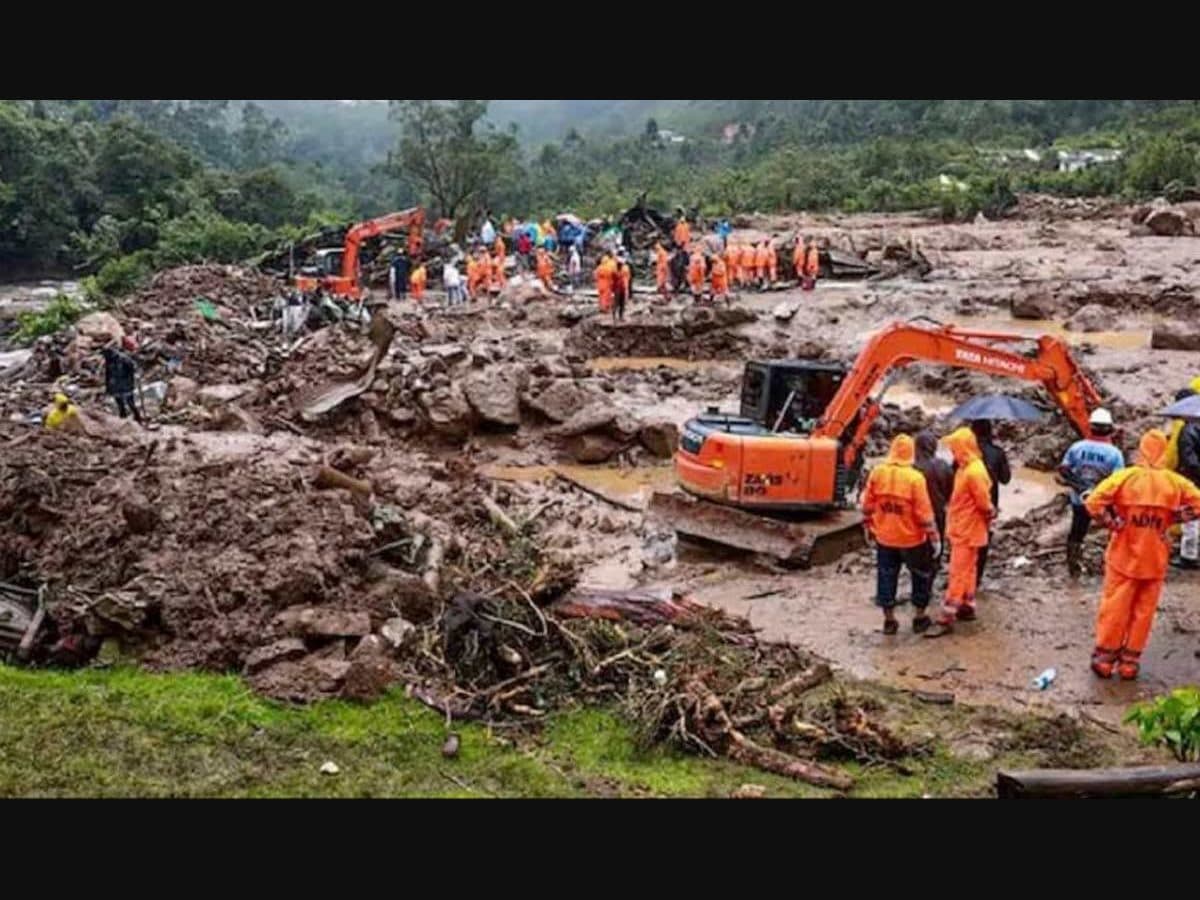
- Climate change is linked to severe weather conditions such as floods, droughts, and storms, with millions already affected.
- Historical events like severe flash floods in 2025 (India and Nepal) underline the increasing severity of climate-related disasters due to fossil fuel reliance.
Financial Aspects of Energy Transition
- Global fossil fuel subsidies amount to trillions of dollars, hindering the transition to renewable energy.
- $2 trillion was invested in clean energy globally last year, surpassing fossil fuels, but funding to vulnerable developing economies remains limited.
Cooperation and Global Agreements
- The interconnected nature of the global economy makes climate disasters a common inflation driver.
- Climate cooperation could offer an alternative to conflicts marked by power dynamics.
- At COP30 in Brazil, $1 trillion was pledged for modern energy systems; COP31 in Türkiye is set to continue this momentum, emphasizing the need for actionable climate commitments.
Policy and Framework
- Support for a just transition is essential, ensuring that economies and communities reliant on fossil fuels can adapt.
- Achieving climate targets can prevent potential disasters, with a focus on turning climate commitments into tangible outcomes for broader populations.
Scientific and Technological Innovation
- Investment in clean technologies, including renewable grids and electric vehicles (EVs), is vital for reducing pollution and improving health outcomes.
- Clean energy sources are poised to provide economic insulation against global turmoil, emphasizing the need for infrastructure investments in renewable energy.
Conclusion
The urgency for a strategic transition to a clean energy economy is underscored by recent global crises. International cooperation, substantial investments, and a commitment to climate resilience are critical for mitigating the impacts of climate change and enhancing energy security worldwide.
Key Terms & Concepts
| UN Climate Change | Head organization for climate policy |
| International Energy Agency | Described energy security threat |
| World Food Programme | Predicting global hunger levels |
| 2025 | Year of severe flash floods |
| Over $2 trillion | Investment into clean energy last year |
| COP30 | Conference committing $1 trillion |
| Brazil | Host of COP30 |
| COP31 | Upcoming climate conference |
| Türkiye | Host of COP31 |
| 40 percent | Asia's oil imports through Hormuz |
| Trillions of dollars | Subsidies for fossil fuels globally |
| Clean energy systems | Proposed solution for energy crisis |