iAspirants
Framework Deal on Greenland's Future
Published on:
Share this post
Article Summary
Summary Notes on U.S. Greenland Policy and International Relations
International Negotiations and Agreements
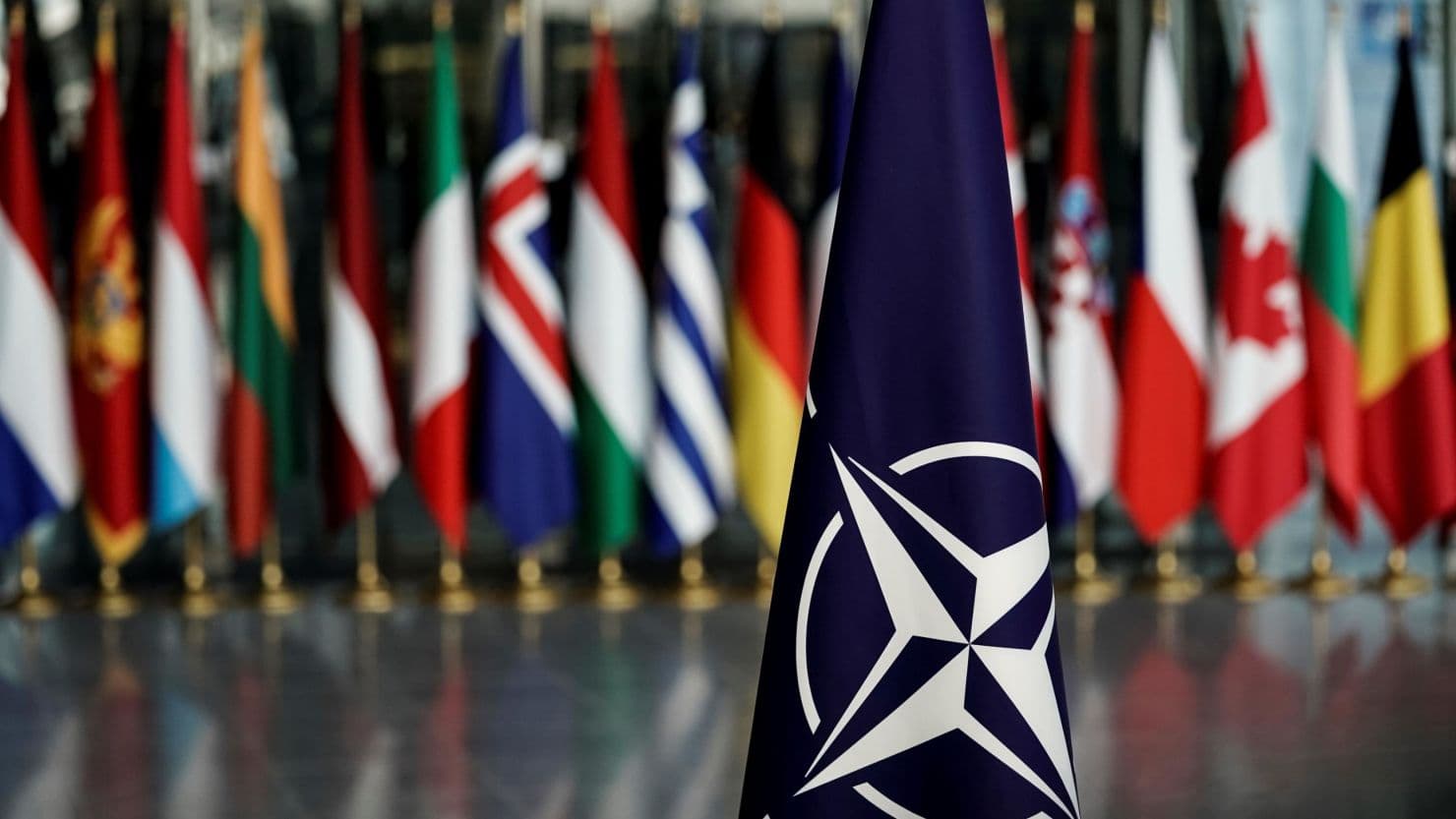
- NATO Involvement: The U.S. reached a preliminary framework with NATO regarding the future of Greenland, stemming from President Trump's discussions at the World Economic Forum (WEF), Davos.
- Military Presence: The U.S. aims to increase its military reach in the Arctic and challenge Chinese and Russian influence in the region.
Economic and Resource Implications
- Natural Resources: Greenland is believed to have substantial oil, gas, and rare-earth mineral reserves (including cobalt, graphite, lithium), which are critical for U.S. interests.
- Military Expansion: Acquiring rights in Greenland would allow the U.S. to expand military operations and secure access to critical resources without direct conflict.
International Responses
- European Alliances: Following U.S. threats, European nations (including Denmark, Germany, and France) unified in support of Greenland’s autonomy, demonstrating a collective response against perceived U.S. intimidation.
- Coalition of the Willing: A term referring to the informal alliance of NATO members that coordinated efforts in backing Denmark’s sovereignty over Greenland.
Constitutional and Legal Context
- Sovereignty Principle: Denmark maintains sovereignty over Greenland, which functions as an autonomous territory. The U.S. actions must navigate international law regarding territorial integrity and sovereignty.
Strategic Communications
Trump's Negotiation Tactics:
- Utilizes a performative approach to diplomacy, characterized by public threats and rhetoric.
- Engages in direct negotiation with world leaders, seeking to establish personal rapport to broker agreements.
Leadership Engagement: Leaders like NATO Secretary-General Mark Rutte and Denmark’s Mette Frederiksen played crucial roles in countering U.S. aggression and maintaining diplomatic channels.
Future Implications
- Shift in World Order: The actions by the Trump administration signal a move towards a coercive international strategy that undermines the traditional rules-based order. World leaders have expressed concerns about the emergence of great power rivalry and the fading of cooperative frameworks.
Economic and Geopolitical Observations
- Real Estate Deal vs. Military Action: Trump’s approach reflects a preference for negotiation over military intervention, potentially establishing land rights through agreements rather than conflict.
- Global Power Dynamics: The circumstances surrounding Greenland echo larger geopolitical issues facing nations, including the importance of negotiating power, autonomy, and resource control.
Conclusion
The emerging framework regarding Greenland illustrates the complexities of contemporary international relations, balancing resource acquisition, sovereignty, and the implications of aggressive diplomatic tactics in a changing global order. The institutional responses from European allies underline the significance of unity in addressing international coercion.
Key Terms & Concepts
| North Atlantic Treaty Organisation | Defense alliance involved |
| Greenland | Region with resources |
| World Economic Forum | International meeting platform |
| Arctic | Expanding military reach |
| oil and gas reserves | Estimated resources in Greenland |
| rare-earth minerals | Significant for technology |
| Coalition of the Willing | European allies' formation |
| Denmark | Sovereignty assertion |
| United States | Negotiating party |
| China | Rival in Arctic influence |
| Russia | Rival in Arctic influence |
| military adventurism | Potential action against Greenland |
| economic rivalry |