iAspirants
Friedrich Kossel's Legacy in Genetics
Published on:
Share this post
Article Summary
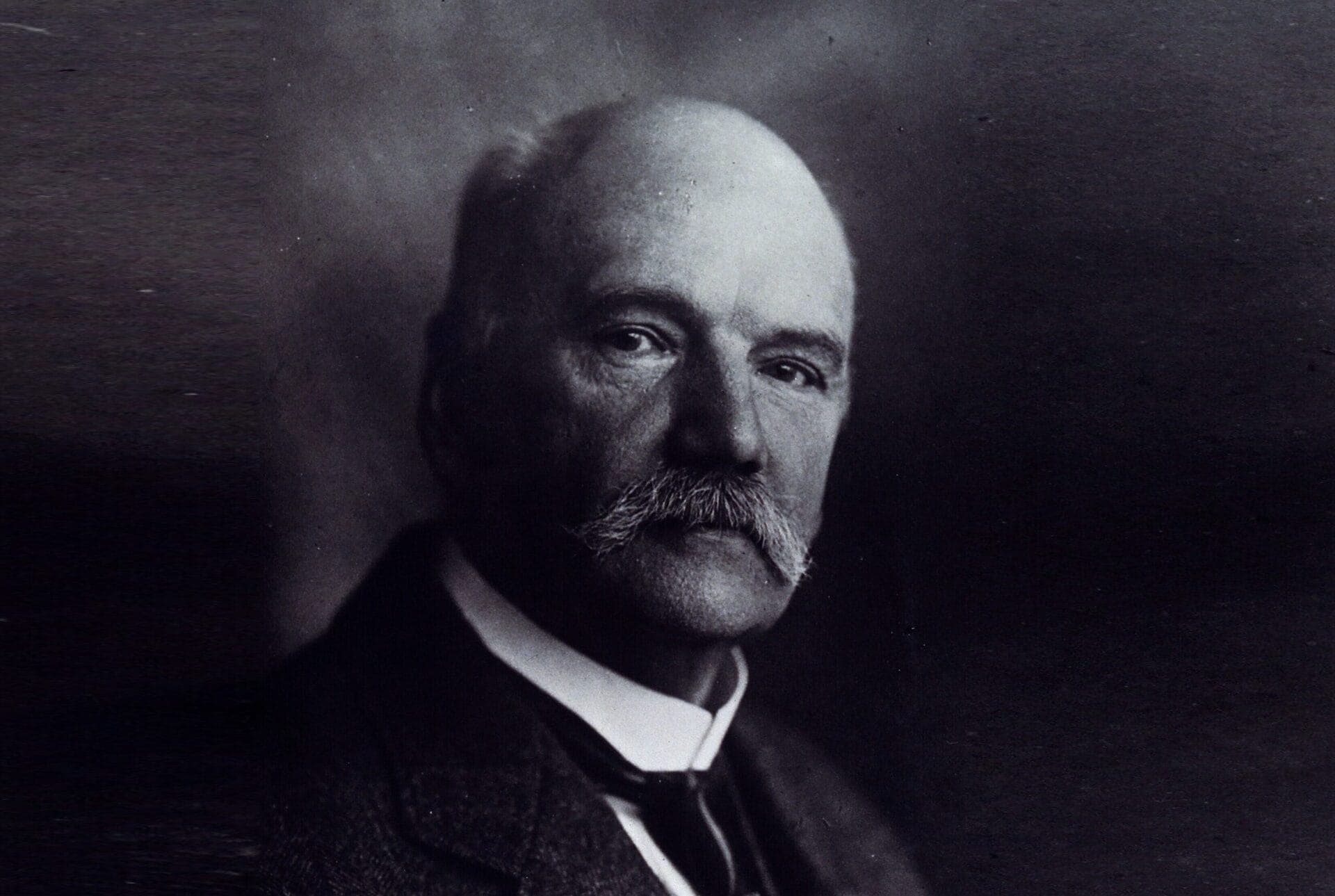
Summary of Scientific Contributions by Albrecht Kossel
Background:
- Born: September 16, 1853, Rostock, Germany.
- Education: Studied medicine at the Universities of Strasbourg, Rostock, and Berlin; trained under Felix Hoppe-Seyler in Strasbourg.
Career:
- Worked as an assistant to Felix Hoppe-Seyler, later contributing significantly at the Universities of Marburg and Heidelberg.
- Established an important research center for physiological chemistry at Heidelberg and trained early biochemists.
Major Scientific Contributions:
- Nucleic Acids:
- Studied cell nucleus substances, discovering key nitrogenous compounds - adenine, guanine, cytosine, thymine, and uracil, which are fundamental to DNA and RNA structure.
- Proved that genetic material has an organized structure capable of storing biological information.
- Nuclear Proteins:
- Investigated histones and protamines, elucidating their roles in packaging and organizing genetic material inside the nucleus.
- Grouped these proteins based on chemical properties, aiding in understanding chromosome structure.
- Nucleic Acids:
Methodological Advances:
- Improved methods for purifying and separating nuclear materials, enhancing cellular studies and molecular research techniques.
Recognition and Awards:
- Awarded the Nobel Prize in Physiology or Medicine in 1910 for significant contributions to the understanding of cell chemistry, particularly regarding proteins and nucleic substances.
Impact on Modern Science:
- Kossel's work laid the groundwork for the fields of molecular genetics, genomics, and biotechnology.
- Enabled advancements in DNA sequencing, genetic testing, and research into hereditary disorders.
- Influenced public health systems worldwide by applying genome-based surveillance and molecular diagnostics for tracking infectious diseases and developing vaccines.
Scientific Legacy:
- Kossel promoted interdisciplinary collaboration among chemistry, physiology, and medicine.
- His meticulous research influenced generations of biochemists and is foundational to modern genetics, personalized medicine, and cancer biology.
Death: Kossel passed away on July 5, 1927, in Heidelberg, Germany. His work continues to impact scientific understanding of heredity and molecular biology.
Importance of His Work:
Kossel’s contributions are pivotal in shaping the modern understanding of life at the molecular level, influencing current practices in health, genetics, and biomedicine.
Key Terms & Concepts
| Nuclein | Substance found in cell nuclei |
| Nitrogen-containing compounds | Components of nucleic acids |
| Adenine, Guanine, Cytosine, Thymine, Uracil | Building blocks of DNA/RNA |
| Xanthine, Hypoxanthine | Compounds in nucleic acid metabolism |
| Histones, Protamines | Nuclear proteins linked to DNA |
| Physiological Chemistry | Scientific field established by Kossel |
| 1910 Nobel Prize | Award for contributions to cell chemistry |
| Molecular Genetics | Field built upon Kossel’s work |
| Biotechnology | Field reliant on nucleic acid chemistry |
| Genome-based surveillance | Public health strategy for tracking diseases |