iAspirants
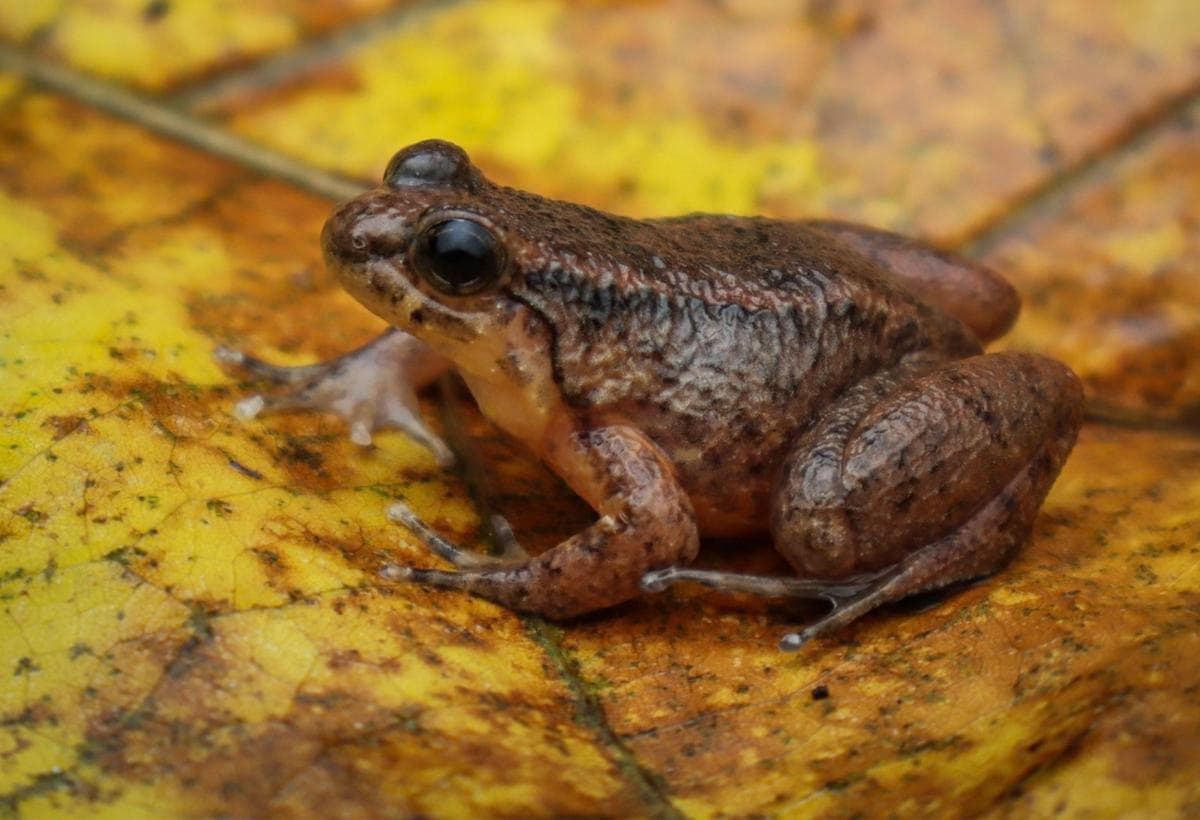
Galaxy Frogs Under Threat in Kerala
Published on:
Share this post
Article Summary
Summary of Key Points on Galaxy Frogs
Species Overview:
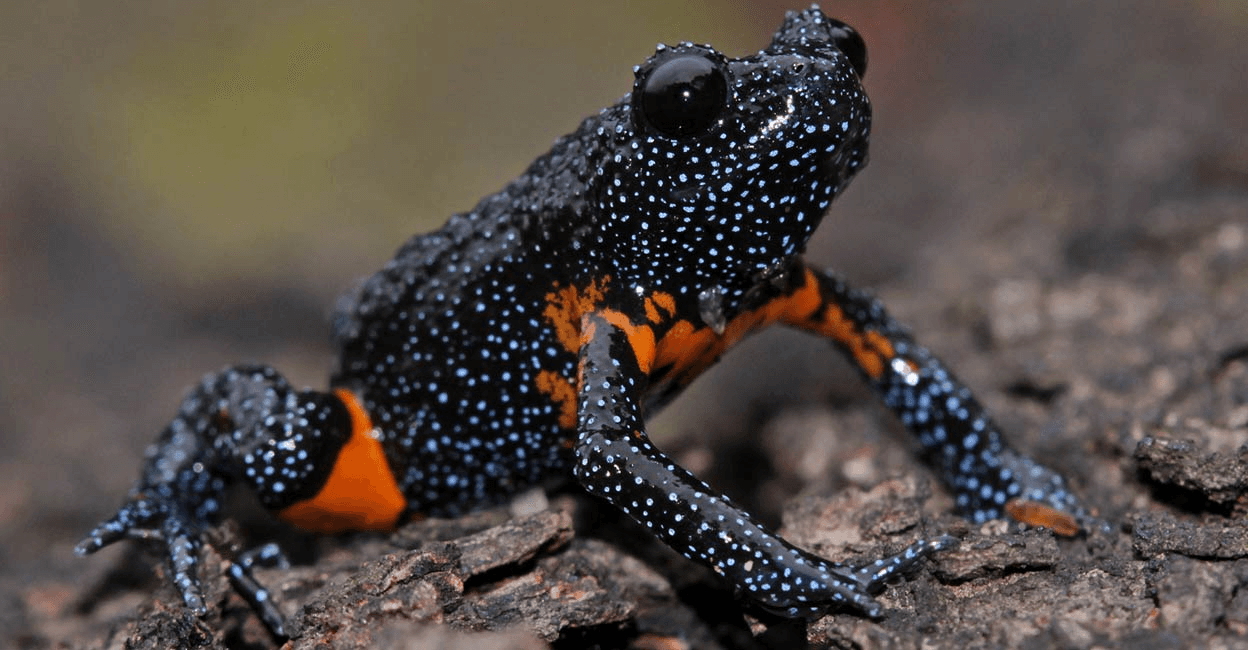
- Common Name: Galaxy Frog
- Scientific Name: Melanobatrachus indicus
- Habitat: Exclusive to Kerala's Western Ghats, under rotten logs.
- Size: 2 cm to 3.5 cm in length.
- Behavior: Non-calling amphibians; communicate using spots.
Conservation Status:
- Listed as Vulnerable by the International Union for Conservation of Nature (IUCN).
- Major threats include habitat conversion for agriculture, firewood collection, landslides, and increasingly, wildlife photography.
Recent Findings:
- A study published in the journal Herpetology Notes presents findings of the disappearance of galaxy frogs, with the last records of seven frogs observed in March 2020.
- Increased photography activity from June 2020 to April 2021 is suspected to have disrupted their feeding and breeding.
Research Insights:
- Conducted by K P Rajkumar and team affiliated with the Zoological Society of London and Aranyakam Nature Foundation.
- Previous monitoring program commenced in 2019, with support from Kerala's forests department.
Impact of Human Activity:
- Photographers disturbed microhabitats by displacing logs, leading to exposure of moisture and critical breeding grounds.
- Claims that some frogs perished due to high-intensity camera flashes and mishandling during photography sessions, although these claims remain unverified.
Ecological Precautions:
- Galaxy frogs require specific conditions (temperature and humidity) for survival due to their cold-blooded nature; habitat interference can lead to negative impacts on their breeding.
- Human interference can disrupt their natural behavior, particularly during mating.
Recommendations for Wildlife Photography:
- Establish ethical guidelines for nature photography, including:
- Minimizing disturbance to habitats, limiting handling, and avoiding high-intensity light use.
- Collaborating with tourism and forest departments to train operators on responsible practices.
Conclusion:
- The report emphasizes the need for conservation education and stricter regulations surrounding wildlife photography to protect vulnerable species like the galaxy frog.
Related Policies and Initiatives:
- Designated as the flagship species of Mathikettan Shola National Park in 2021, enhancing their visibility, but also increasing risks related to tourism.
- Calls for collaboration between forest and tourism departments to promote conservation efforts.
Legislation and Conservation Efforts:
- The importance of adhering to ethical wildlife practices reflects ongoing initiatives under the Protection of Wildlife Act and related conservation frameworks to safeguard endangered species and their habitats.
Quantitative Aspects:
- Estimated population pressure and risks quantified due to human activity and environmental changes impacting the survival of an already vulnerable species.
This summary consolidates vital information about the galaxy frog, its conservation challenges, and the implications of human activities on biodiversity, serving as key notes for exam preparations related to wildlife conservation and environmental studies.
Key Terms & Concepts
| Galaxy frogs (Melanobatrachus indicus) | Rare amphibians of Kerala |
| Western Ghats | Endemic habitat location |
| International Union for Conservation of Nature | Listed galaxy frogs as vulnerable |
| Mathikettan Shola National Park | Flagship species designation |
| December 17, 2025 | Study publication date |
| 2021 | Year of flagship designation |
| COVID-19 pandemic | Disrupted research and monitoring |
| K P Rajkumar and team | Researchers monitoring frogs |
| Biodiversity conservation | Focus of Aranyakam Nature Foundation |
| Ethical standards in photography | Need for wildlife protection |