iAspirants
Gandhi's Advocacy for Universal Voting Rights
Published on:
Source: Indian Express
Share this post
Article Summary
Summary Notes: Mohandas Gandhi and the Right to Vote
Historical Context:
- Mohandas Gandhi's first political battle was for the right to vote during his time in South Africa against colonial disenfranchisement.
- In July 1894, the Natal government proposed the disenfranchisement of Indians, which Gandhi challenged by petitioning Lord Ripon, emphasizing the loss of self-respect for Indians without voting rights.
Gandhi's Advocacy for Universal Adult Franchise:
- During the 1920s, Gandhi communicated through publications such as Young India and Harijan, asserting that universal adult franchise should be immediate, compelling the powerful to listen.
- He advocated for voting rights for all individuals regardless of wealth, education, gender, or caste, demonstrated at the 1931 Round Table Conference.
Manipulation of Voter Lists:
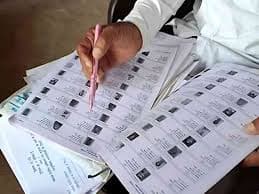
- Gandhi recounted an incident from 1896 in Durban where his name was included in electoral rolls without consent, highlighting issues of electoral integrity and manipulation.
Constitutional Framework:
- India adopted universal adult franchise at the Republic’s founding in 1950, inspired by Gandhi's advocacy.
- The sanctity of voting as a constitutional right is emphasized, contrasting the current situation where voter lists are manipulated, resulting in disenfranchisement.
Critique of Current Voting System:
- The ongoing SIR (specific mention of a current controversy) threatens to mock the constitutional rights of citizens by potentially reducing the electorate through improper revisions of voter rolls.
- Gandhi’s three tests for fair voting procedures are reiterated:
- Does revision increase or diminish citizen self-respect?
- Is the voter roll prepared impartially or favoring certain candidates?
- Is the vote viewed as a protected right or a granted privilege?
Judicial and Ethical Considerations:
- The practice of mass disenfranchisement is labeled as "civicide" and "disfranchiside," pointing to deliberate actions to erode citizen rights.
Significance of Gandhi Jayanti:
- Gandhi Jayanti serves as a reminder of the values Gandhi stood for regarding voting and democratic participation, emphasizing the importance of each name on an electoral list as a fundamental right.
Conclusion:
- Highlighting the importance of citizen rights and the ethical responsibility of the state's administrative machinery to uphold the law and constitutional provisions in electoral processes, reflecting Gandhi's enduring legacy on the right to vote.
Key Terms & Concepts
| Gandhi Jayanti | Commemoration of Gandhi's contributions |
| 1894 Natal Government Proposal | Attempted disenfranchisement of Indians |
| Universal Adult Franchise | Voting rights established in 1950 |
| Round Table Conference 1931 | Gandhi's demand for universal franchise |
| Constitution | Foundation for voting rights |
| Electoral Roll | List of eligible voters |
| SIR controversy | Issue of voter disenfranchisement |
| Disfranchiside | Intentional mass disenfranchisement |
| Civicide | Destruction of citizen rights |