iAspirants
Geopolitical Tensions in Red Sea Region
Published on:
Share this post
Article Summary
Geopolitical Shifts and the Red Sea Crisis: Key Points
Conflict Interconnections:
- The Red Sea crisis, marked by Houthi attacks on commercial shipping, illustrates how conflicts in West Asia (Gaza) and the Horn of Africa (Sudan) are converging.
- The geographical context positions the Red Sea as a strategic link affecting regional security and global trade.
Historical Context:
- Historically, conflicts in West Asia and the Horn of Africa were treated separately, focusing on oil politics and humanitarian crises, respectively.
- The Red Sea plays a vital role in connecting Europe and Asia through the Suez Canal and Bab el-Mandeb Strait, with significant implications for trade and geopolitical dynamics.
Geopolitical Complexity:
- The Red Sea region has become a "regional security complex," where the security of one nation increasingly influences that of neighboring countries.
- Events such as the Gaza conflict and Sudan civil war are interconnected and affect maritime conditions in the Red Sea, highlighting a paradigm shift from isolated conflicts to interrelated crises.
Economic Implications:
- The Red Sea is a major route for global trade, impacting freight costs and supply chains. Disruption leads to higher costs and navigational shifts around Africa.
- The Red Sea is crucial for Indian commerce and energy supplies, underscoring its importance beyond regional conflict.
Military and Diplomatic Maneuvers:
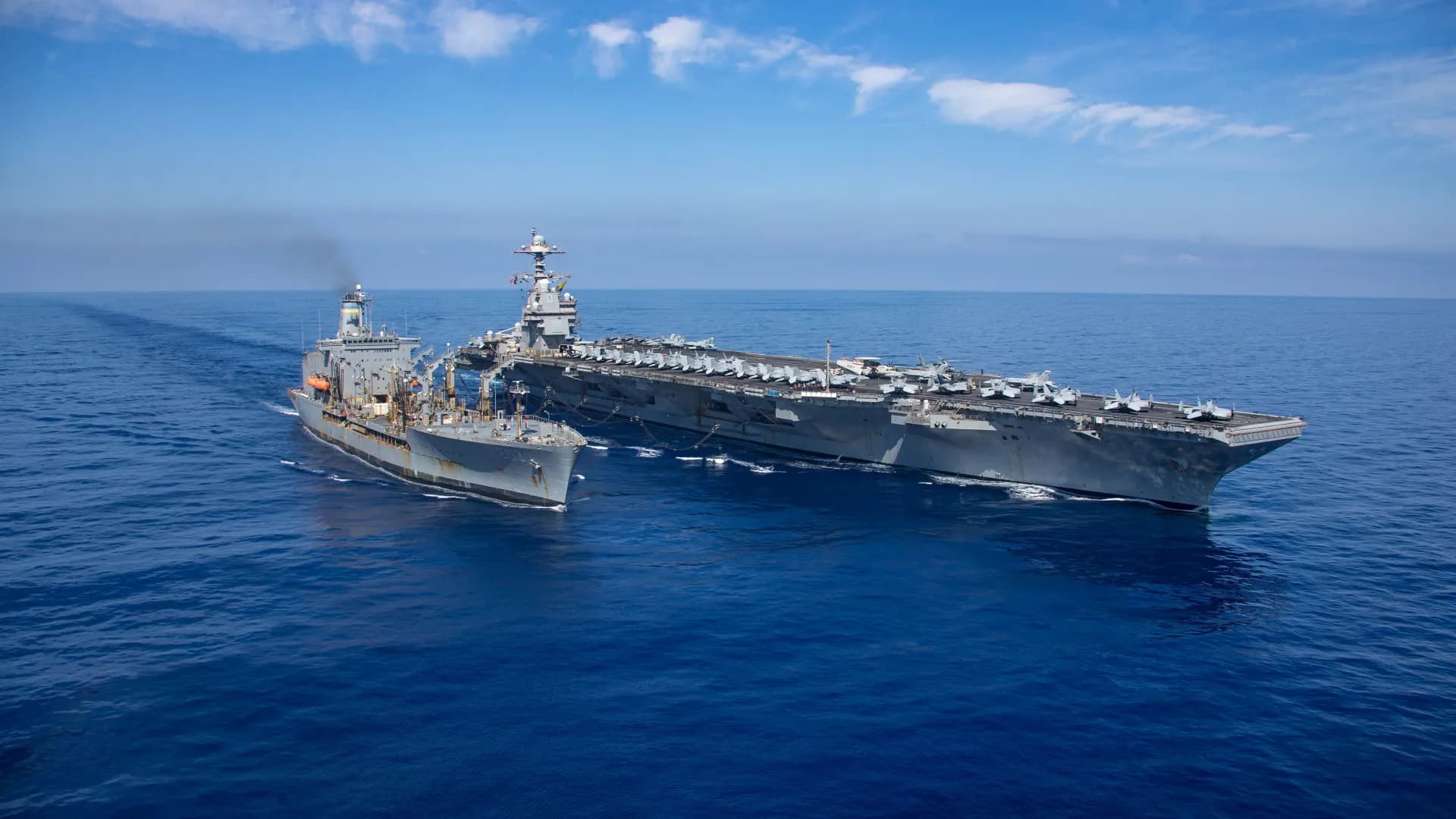
- The U.S. and European powers have deployed naval forces to ensure safe passage in the Red Sea due to increased shipping attacks.
- The Sudan civil war has become a battleground for regional powers, with Egypt supporting the Sudanese Armed Forces (SAF) while the UAE is accused of backing the Rapid Support Forces (RSF).
Ethiopia's Maritime Ambitions:
- Ethiopia's lack of direct access to the Red Sea, lost when Eritrea gained independence, emphasizes its pursuit of better maritime connectivity as a key strategic focus for regional diplomacy.
Gulf States Involvement:
- Gulf monarchies (Saudi Arabia, UAE, Qatar) have heightened their military, economic, and political involvement in the Horn of Africa, seeing the region's stability as vital to their security interests.
Strategic Importance:
- The Red Sea represents a new geopolitical arena where access to ports and logistical systems defines power dynamics. The interconnectedness of conflicts shows that local disputes can have broad global repercussions.
- The region has transitioned from one defined by military alignments to one driven by economic ties and logistical infrastructure.
Summary of Geopolitical Changes:
- Red Sea Length: Approximately 2,200 km from the Suez Canal to the Bab el-Mandeb Strait.
- Strategic Value: The Red Sea functions as a transit corridor for energy and trade, directly influencing global commerce.
- Rivalries and Influence: The interests of global powers like the U.S. and China, as well as regional players, are converging in this strategically vital maritime space.
Conclusion:
The Red Sea has emerged as a pivotal geopolitical nexus, with conflicts in the region now shaping international politics and trade dynamics globally. Understanding these evolving relationships is essential for comprehending contemporary global stability and security challenges.
Key Terms & Concepts
| Red Sea | Vital trade and geopolitical route |
| Houthis | Attacking commercial vessels |
| Bab el-Mandeb Strait | Key maritime chokepoint |
| Gaza conflict | Influencing regional security dynamics |
| Sudan civil war | Battleground for regional rivalry |
| Ethiopia | Seeking maritime access |
| U.S. | Military presence in Red Sea |
| China | Expanding influence in Red Sea |
| Turkish presence | Military and economic involvement |
| Saudi Arabia | Regional mediation efforts |
| UAE | Military partnerships in Horn of Africa |
| Qatar | Increasing regional influence |
| Ports and logistics |