iAspirants
Global Renewable Energy and Climate Challenges
Published on:
Share this post
Article Summary
Renewable Energy and Climate Change Summary
Global Renewable Energy Data:
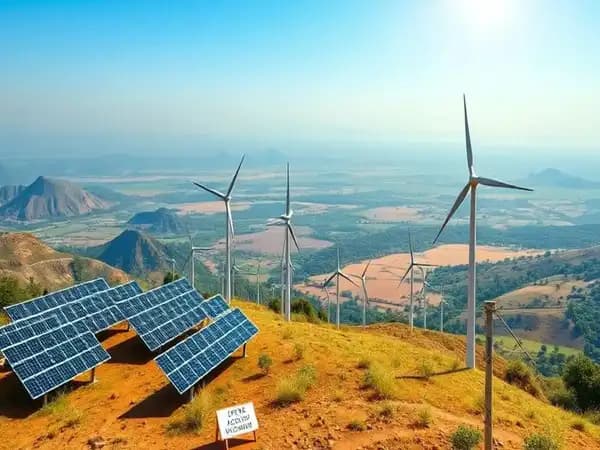
- Renewable energy installations have surpassed fossil fuels, marking a significant global shift towards solar, wind, and hydro power.
- Major contributions to renewable energy installations have been made by India and China, the world's two most populous countries.
Climate Change Statistics:
- The global average temperature is projected to rise to 1.37°C by 2025.
- Current GHG (Greenhouse Gas) emissions trends indicate that the carbon budget for remaining emissions to stay below the 1.5°C threshold set by the Paris Climate Agreement could be exhausted within approximately three years.
Challenges to Transitioning:
- Despite substantial investments in renewables, the persistence of fossil fuels in industrial sectors presents a significant barrier to reducing GHG emissions.
- Transitioning to cleaner energy alternatives, such as green hydrogen, requires substantial time and investment.
- National policies can facilitate the adoption of energy-efficient technologies and practices, emphasizing the importance of using recyclable materials to reduce energy consumption (e.g., recycled aluminum uses significantly less energy compared to new aluminum).
Recommendations for Future Action:
- Enhanced cooperation between academia, governments, and industries is essential for effective knowledge transfer and integration of green technologies with existing systems.
- Research and Development (R&D) investments are crucial for lowering the upfront costs of sustainable equipment and fostering innovative practices in industry.
Context of Current Events:
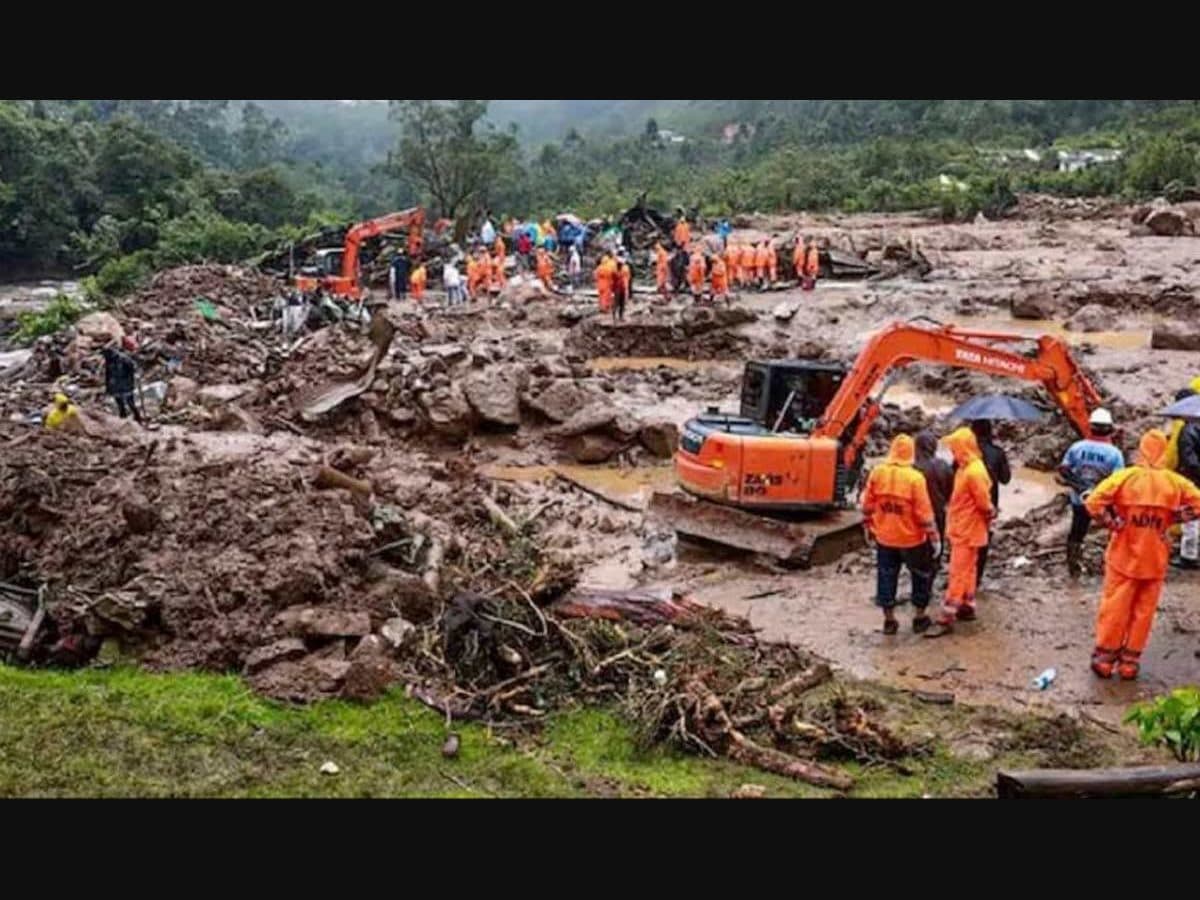
- The indicators presented coincide with global climate talks in Bonn, emphasizing the urgency of addressing climate change, especially given recent extreme weather events in parts of Europe and elsewhere.
Constitutional and Policy References:
- The challenges outlined pertain to global environmental agreements and national policies focused on climate change mitigation, though specific articles or amendments were not directly cited in this context.
- Reference to the Paris Climate Agreement, which seeks to limit global warming to below 2°C, ideally to 1.5°C, highlights the international legal framework guiding national actions.
This overview captures critical data, trends, and implications regarding renewable energy and climate change, providing a foundation for understanding ongoing environmental challenges and necessary policy responses.
Key Terms & Concepts
| 1.37 degrees Celsius | Global warming level in 2025 |
| Indicators of Global Climate Change (IGCC) | Global climate change report |
| Paris Climate Pact | Threshold for global warming |
| Green hydrogen | Cleaner energy alternative |
| Recycled aluminium | Energy-efficient material |
| Bonn Climate Talks | International climate negotiations |
| European heatwave | Recent climate impact phenomenon |