iAspirants
Global Shift and India's Position
Published on:
Share this post
Article Summary
Summary of the Article
The article provides a comprehensive analysis of the geopolitical landscape during Donald Trump's presidency, emphasizing the diminishing role of multilateralism and the implications for India in the evolving global order.
Key Highlights:
Shift in Global Dynamics:
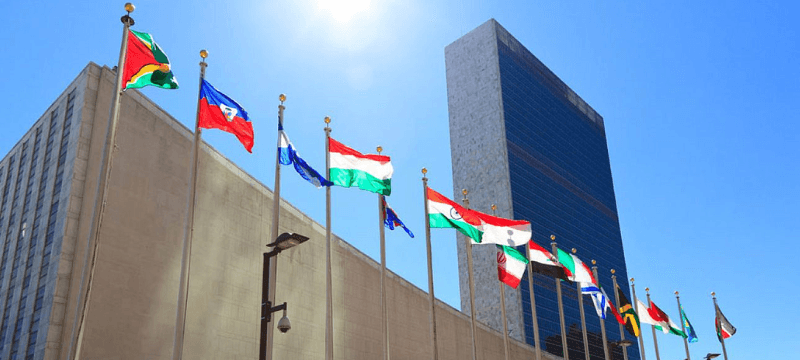
- The current U.S. administration under Donald Trump marks a significant transformation in global politics, leading to a decline in the influence of institutions like the United Nations and the traditional multilateral framework.
- The U.S. now prioritizes self-sufficiency and containing China's rising influence, affecting global trade relationships.
BRICS Summit 2025:
- The BRICS Summit held in July 2025 did not witness opposition toward the prevailing unilateral approach to international relations.
- The BRICS Declaration, consisting of 31 pages and 126 outcomes, failed to address the importance of multilateralism.
India's Position and Strategy:
- India must pivot from reliance on traditional multilateral alliances and focus on national prosperity and South-South cooperation, aligning its interests with those of other emerging economies.
- The loss of strategic posts, such as the Vice Chair of UNESCO to Pakistan, signals the need for renewed focus on strengthening India's international influence.
Economic and Infrastructure Development:
- The article discusses India's need for infrastructure development to accommodate its large population and emerging economy—aspiring to become the third-largest globally by 2027 and potentially surpassing the U.S. by 2075.
- It suggests India should seek trade partnerships with Southeast Asian nations to offset losses from U.S. tariffs.
Fourth Industrial Revolution:
- India is positioned at the forefront of technological advancement with a significant increase in GenAI patents, proposing that this can lead to endogenous economic growth.
Military Doctrine Revisions:
- Shifts in military strategies globally, focusing on advanced technologies like drones and cyber capabilities, present India with an opportunity to lead in military modernization while reducing reliance on foreign defense procurement.
Border Issues:
- The article highlights the necessity for India to reconcile colonial-era border disputes, particularly with China, advocating trust-building measures and a strategic approach to border demarcation.
- Remarks from India’s Defence Minister suggest a willingness to move past historical grievances to focus on cooperative future relations.
Future of Global Cooperation:
- The upcoming BRICS Summit in India in 2026 offers a chance to re-establish cooperative frameworks among Global South nations, moving away from outdated collective bargaining methods used by groups like G-77.
- Emphasizes the potential for economic collaboration through tariff realignment and localized production to meet rising demands within the Global South.
Conclusion:
- As international relations evolve, India must accept the decline of traditional multilateralism while cultivating new strategies to foster economic and diplomatic ties among developing nations. The emphasis on strategic autonomy, domestic self-sufficiency, and regional partnerships will be crucial for enhancing India's global standing.
Important Points:
- Trump's presidency represents a major shift away from multilateralism toward unilateralism.
- The BRICS Summit 2025 did not support multilateralism.
- India needs to redefine its diplomatic strategy, focusing on self-sufficiency and South-South cooperation.
- Infrastructure development is vital for economic growth and sustaining India's prospective status as a leading economy.
- India is positioned well in technology advancement, particularly in GenAI.
- The military and border strategies need a fresh approach toward modernization and cooperation.
- Future global cooperation may focus on regional economic collaboration in the Global South.
Implications: The reconfiguration of power dynamics presents both challenges and opportunities for emerging economies, with India playing a pivotal role in navigating this transformed landscape.
Key Terms & Concepts
| United Nations | Marginalized global governance body |
| BRICS | Platform for emerging economies |
| South-South cooperation | Focus on regional collaboration |
| Atmanirbhar Bharat | Self-reliance initiative of India |
| Association of Southeast Asian Nations | Regional economic bloc |
| World Intellectual Property Organization | Patent oversight authority |
| Indus Waters Treaty | Water-sharing agreement |
| Operation Sindoor | Military strategy reference |
| G-77 | Group of developing nations |
| G-7 | Group of major advanced economies |