iAspirants
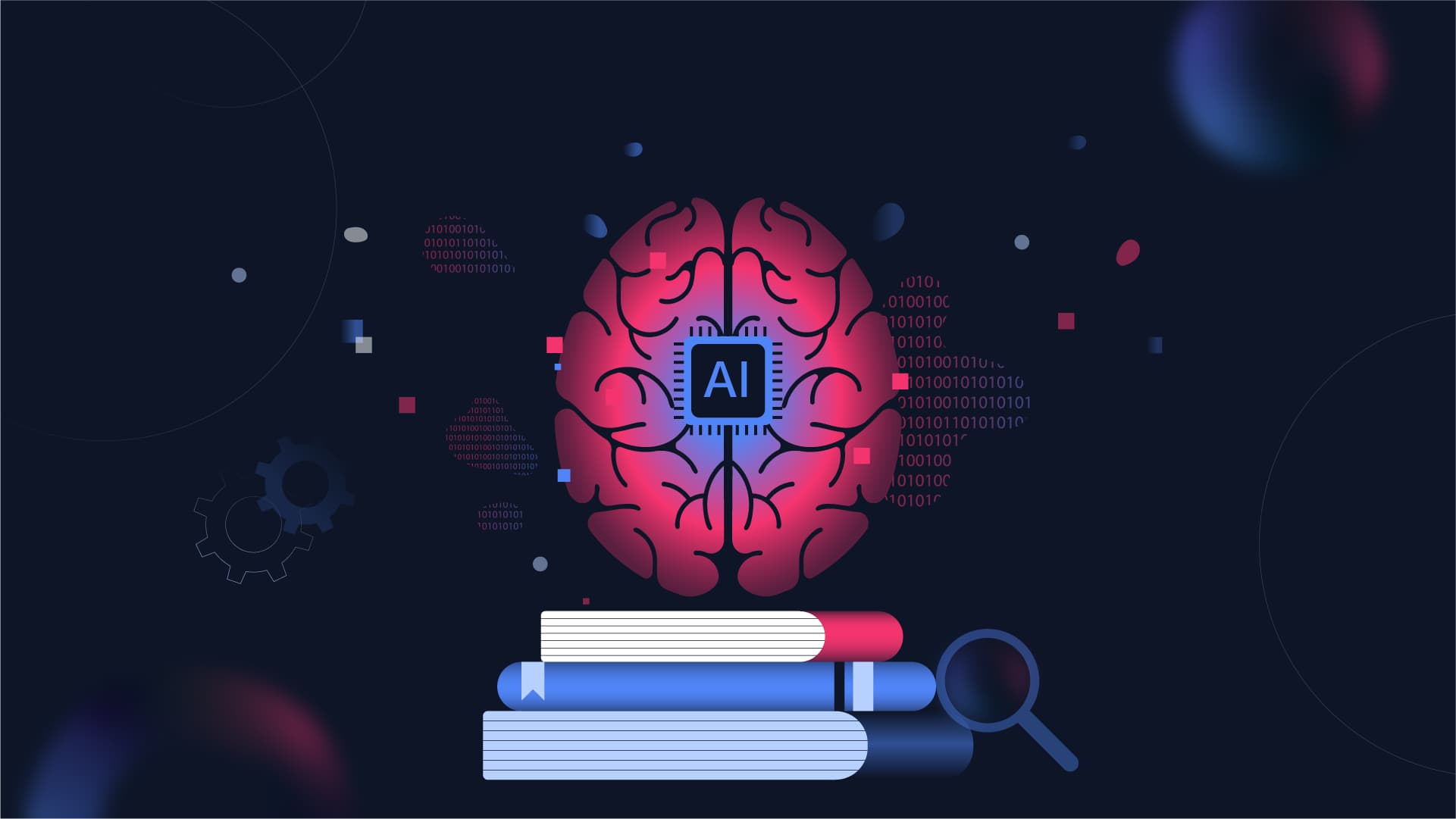
Google Develops Advanced AI Learning Model
Published on:
Share this post

Article Summary
Summary of Key Points on Google's AI Development
Machine Learning Model: HOPE
- Model Description: HOPE (Hierarchically Optimized and Adaptable Primitives for Experiences) is a new machine learning model featuring a self-modifying architecture designed to improve long-context memory management.
- Nested Learning Concept: Introduced by Google researchers, this approach treats a model as a system of interconnected multi-level learning problems optimized simultaneously, addressing limitations in current AI systems.
Research Objectives
- Continual Learning: Essential for developing Artificial General Intelligence (AGI). Unlike humans, modern AI models, particularly Large Language Models (LLMs), struggle with "catastrophic forgetting" (CF)—losing previously learned information when acquiring new knowledge.
- Goal: The nested learning paradigm aims to close the gap between LLM limitations and human-like learning abilities, facilitating models that can retain and accumulate knowledge over time.
Current Challenges in AI
- LLMs can perform tasks like code generation and creative writing quickly but lack the ability to adaptively learn.
- Catastrophic Forgetting: This phenomenon prevents models from learning new skills without losing previously acquired knowledge, posing a significant hurdle for advancing AI capabilities.
Innovations in HOPE
- HOPE demonstrated lower perplexity and higher accuracy in benchmarks, indicating improved performance in language modeling and reasoning tasks compared to existing LLMs.
- It leverages a structured approach that integrates various optimization problems within the model, allowing deeper computational learning.
Academic Contributions
- Research Publication: The findings regarding Nested Learning and its implications for deep learning architectures were published in a paper titled "Nested Learning: The Illusion of Deep Learning Architectures" at NeurIPS 2025.
Expert Commentary
- Andrej Karpathy, AI Research Scientist: Cited the continued challenges in creating AI models with true continual learning capabilities, predicting that significant breakthroughs may take up to a decade.
Importance of Nested Learning
- Offers a framework for designing advanced AI models that can potentially enhance learning algorithms' expressiveness, capability, and efficiency.
- Provides a foundational structure to tackle complexities in machine learning, aiming for a more profound understanding of interconnected optimization processes.
Implications for Future AI Development
- The advancements with HOPE and the nested learning paradigm can lead to significant improvements in developing AI systems capable of humaine-like learning, thus paving the way towards realizing AGI.
By addressing both the architectural and optimization aspects of machine learning models, initiatives like Google's HOPE could herald a new era in AI research and development, enhancing both functionality and cognitive performance in AI systems.
Key Terms & Concepts
| HOPE | Self-modifying AI model |
| Nested Learning | New learning paradigm |
| AGI | Goal of human-like intelligence |
| NeurIPS 2025 | Conference for AI research findings |
| catastrophic forgetting (CF) | Challenge in AI learning |
| deep learning architectures | Architecture types in AI |
| lower perplexity and higher accuracy | Model performance metrics |