iAspirants
Google's AI Infrastructure Expansion Plans
Published on:
Share this post

Article Summary
Summary of Key Points on Google’s AI Infrastructure Changes
Objective
Google is realigning its computational priorities to meet the surging demand for its AI products, aiming to enhance its processing capabilities significantly.
Strategic Vision
- Target: Achieve a 1000x increase in serving capacity within 4-5 years.
- Growth Strategy: Doubling capacity every six months while maintaining cost and energy efficiency.
- Quote from Amin Vahdat (Google Cloud VP): Google aims to build AI infrastructure that is more reliable, performant, and scalable than current offerings, while also facing intense competition.
Capital Expenditure and Market Dynamics
- Capital Investment:
- Alphabet raised its 2023 capital expenditures forecast to between $91 billion and $93 billion, with plans for significant increases in 2026.
- Major tech companies (Google, Microsoft, Amazon, Meta) collectively plan to spend over $380 billion in 2023.
- AI Market Bubble Concerns: Discussions among analysts and industry leaders regarding the potential AI bubble and parallels to the dot-com crash of the early 2000s.
Product-Related Updates
- Launch of Video Generation Tool: Google’s Veo launch illustrates the demand outpacing computational supply, which has limited user access.
- Capacity Limitations: Sundar Pichai emphasized that the company’s cloud numbers could have been better if computational resources were more abundant.
Technology Developments
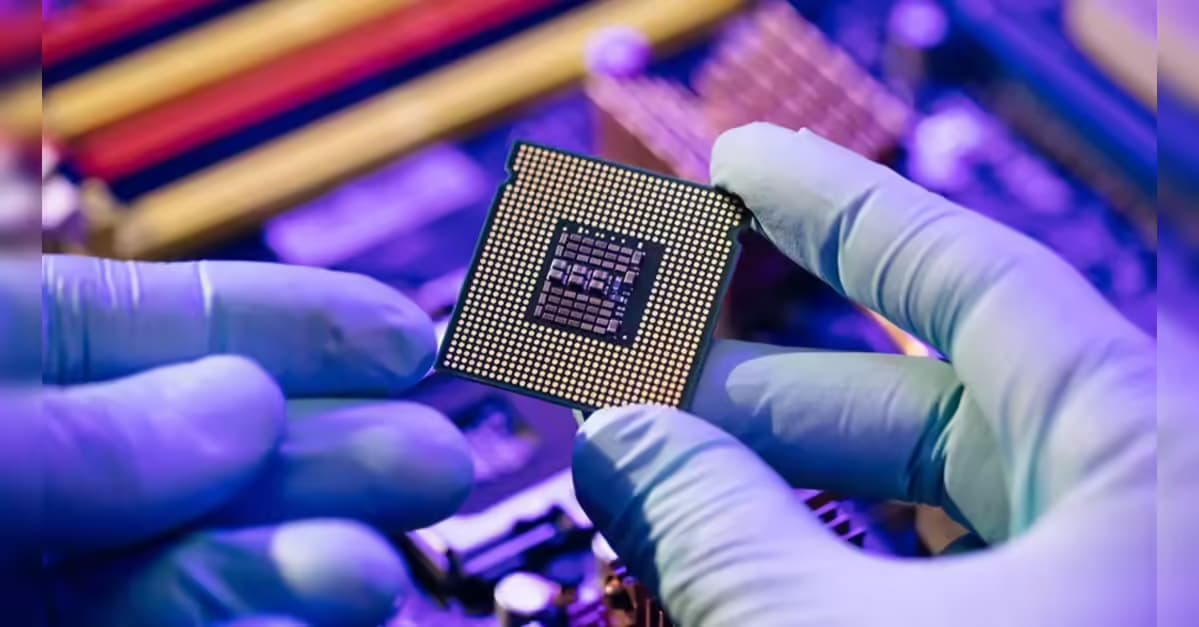
- Custom Silicon: Google is enhancing AI capacity with proprietary advancements.
- New Hardware Launch: Introduction of the seventh generation Tensor Processing Unit (TPU) called "Ironwood," which is nearly 30 times more power efficient than the first TPU from 2018.
- AI Model: Launch of Gemini 3, designed to improve responses to complex queries compared to earlier models.
Implications and Risk Management
- Investment Strategy: Pichai indicated the significant risks of “underinvesting” during crucial market phases.
- Cautious Outlook: Acknowledgement that all companies, including Google, face risks from a potential AI market downturn.
Conclusion
Google's shift in compute priorities is crucial to securing its position in the competitive AI landscape while addressing economic factors and infrastructure challenges. The company's strategy involves strategic investments in cloud technology and custom silicon to scale efficiently and effectively meet future demands.
Key Terms & Concepts
| Google Cloud | AI product service provider |
| 1000x | Target serving capacity growth |
| Alphabet | Parent company of Google |
| $91 billion to $93 billion | Capital expenditure forecast |
| 380 billion | Collective spending target for big tech |
| Veo | Google's video generation tool |
| Gemini app | Platform for user access |
| 30 times | Power efficiency increase for TPU |
| Ironwood | Latest TPU generation |
| Gemini 3 | Latest AI model |
| Silicon Valley | Tech investment hotspot |
| AI market | Area of speculation and concern |