iAspirants
Governors Clash with State Governments
Published on:
Share this post

Article Summary
The ongoing conflict between state governments and governors in India, particularly in Tamil Nadu and Kerala, has escalated, as highlighted by judicial involvement and controversial directives from governors. Here is a detailed summary of the situation:
Supreme Court Rulings and Governor Actions:
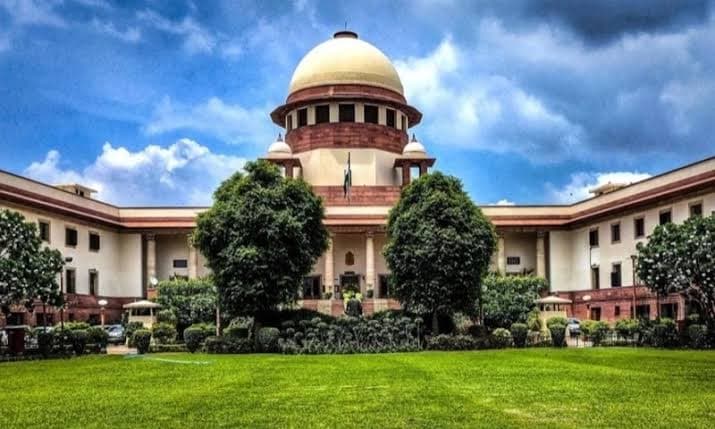
- Supreme Court Intervention: In April, the Supreme Court of India criticized Tamil Nadu Governor R.N. Ravi for his actions regarding state legislation, particularly his refusal to assent to 10 university-related bills, effectively acting as a veto. The Court established that any Presidential intervention based solely on the Governor's recommendations could be deemed irrelevant.
- Timeline for Governor Responses: The Supreme Court mandated specific timelines within which governors must respond to state bills, enhancing legislative efficiency.
Recent Developments:
- Kalaignar University Bill: Recently, Governor R.N. Ravi referred the Kalaignar University Bill to the President rather than providing his approval, further straining relations with the Tamil Nadu government.
- Partition Horrors Day: In Kerala, Governor Rajendra Vishwanath Arlekar directed universities to observe 'Partition Horrors Day' on August 14, 2025, which has been met with criticism for potentially ideological bias.
Historical Context:
- The office of the Governor is rooted in colonial history, serving as a mechanism for control over state governments, particularly within the context of Indian independence. Early leaders retained the role of the Governor as a safeguard against separatist movements.
- The role of Governors as Chancellors of state-run universities reflects a legacy of colonial influence, intended to maintain a certain prestige and oversight in governance.
Political and Educational Implications:
- Power Dynamics: The conflict has heightened the visibility of state-run universities, which have become central to Governor-State government disputes. Both Tamil Nadu and Kerala face challenges with governors acting as political proxies with potentially antagonistic agendas.
- Proposed UGC Regulations: Draft regulations from the University Grants Commission (UGC) are pushing to centralize the selection of Vice-Chancellors into the hands of the Chancellors (typically the Governor), diminishing state government roles. In contrast, the National Education Policy 2020 advocates for greater autonomy among educational institutions, expecting university leaders to function beyond traditional roles into more managerial capacities, emphasizing entrepreneurship and accountability.
Conclusion and Future Considerations:
The ongoing tensions between governors and state governments signify a critical juncture in Indian governance, particularly in the realm of education. As disputes continue to unfold, lawmakers and educators are reevaluating the necessity of gubernatorial oversight in academic institutions. There appears to be a growing discourse advocating for the replacement of governors as ceremonial and executive heads of universities with qualified professionals, which may reflect a broader shift towards greater autonomy within educational leadership.
Key Points:
- Supreme Court ruled against Governor R.N. Ravi’s veto power on university bills.
- Mandated timelines for Governor responses to legislation.
- Controversies surrounding ‘Partition Horrors Day’ directive from Kerala Governor.
- Historical context of the Governor's role as a colonial legacy influencing current governance.
- Ongoing conflicts between state governments and Governors in Tamil Nadu and Kerala.
- Draft UGC regulations proposed to centralize Vice-Chancellor selection amidst the push for autonomy in educational institutions.
- National Education Policy 2020 advocates for increased institutional independence.
These developments outline ongoing tensions in India's political landscape that may influence future governance and educational policies.
Key Terms & Concepts
| Supreme Court of India | Judicial authority ruling |
| Tamil Nadu Governor R.N. Ravi | Governor involved in conflicts |
| Kalaignar University Bill | Legislation referred to President |
| Kerala Governor Rajendra Vishwanath Arlekar | Governor initiating controversy |
| Partition horrors day | Controversial observance directive |
| National Education Policy 2020 | Policy for educational autonomy |
| Vice-Chancellor | University leadership position |
| UGC regulations | Draft regulations impacting governance |
| State-run universities | Key battlegrounds in conflicts |