iAspirants
Current AffairsPrelims PYQsUPSC CSE SyllabusUPSC CSE StrategyBlogsPricing
Login
iAspirants

Your AI-powered companion for UPSC preparation.

Quick Links

  • Home
  • About Us
  • Current Affairs
  • Prelims PYQs
  • UPSC CSE Syllabus
  • UPSC CSE Strategy
  • Blogs

Company

  • Pricing
  • FAQs
  • Contact Us
  • Login

Legal

  • Privacy Policy
  • Terms & Conditions
  • Return Policy

© 2025 iAspirants, Inc. All rights reserved.

  1. Blogs
  2. National and International Importance

Great Indian Bustard Rewilding Initiative

Published on: 06-Oct-2026

Share this post

Great Indian Bustard Rewilding Initiative

Article Summary

  • Rewilding Initiative: Environment Minister Bhupender Yadav released two male Great Indian Bustards into the Desert National Park, Rajasthan, marking a significant step in rewilding efforts for this critically endangered bird.

  • Conservation Background: The project, over nearly a decade, involved collaboration between the Union Environment Ministry, Rajasthan Forest Department, and the Wildlife Institute of India (WII).

  • Census of Great Indian Bustards: Currently, there are 97 Great Indian Bustards in captivity at facilities in Sam and Ramdevra, including:

    • Wild-laid eggs: 40 individuals.
    • Bred in captivity: 57 individuals.
    • Out of these, 86 birds are maintained for reproduction; 11 have been earmarked for release.
  • Captive Breeding Success: The program achieved 24 live chicks in 2025 and 29 in 2026, demonstrating progress in breeding and conservation efforts.

  • Significance of the Bustard: The Great Indian Bustard is classified as critically endangered, emphasizing the need for conservation strategies to restore their population in their natural habitat.

  • Government Support: The project has received ongoing support from Prime Minister Narendra Modi, showcasing the central government's commitment to wildlife conservation.

  • Legal Framework: The initiatives align with India’s constitutional commitment to protect wildlife under Article 48A (Protection and Improvement of Environment and Safeguarding of Forests and Wildlife) and Article 51A (g), which highlights the duty of every citizen to protect and improve the natural environment.

  • Environmental Impact: This initiative plays a critical role in biodiversity preservation, addressing ecological balance in the desert ecosystem of Rajasthan.

  • Future Plans: The ongoing efforts signify a long-term commitment to ensure the viability of the Great Indian Bustard in the wild, with strategic milestones set for monitoring and expansion of rewilding outcomes.

This effort represents a significant governmental initiative in wildlife conservation and biodiversity sustainability, with a focus on enhancing the status of endangered species in India.

Key Terms & Concepts

Great Indian BustardCritically endangered bird species
Desert National ParkLocation for bird release
RajasthanState involved in conservation
Union Environment MinistryGovernment body overseeing program
Rajasthan Forest DepartmentState department in conservation efforts
Wildlife Institute of India (WII)Collaborating organization for research
Captive reproductionMethod for increasing bird population
Number of released birdsTwo male birds released
Current population in facilities97 birds total
Egg origin breakdown40 wild-laid eggs, 57 bred in captivity
Live chicks in 202524 chicks born
Live chicks in 202629 chicks born

Mind Map for UPSC Civil Services Revision

Turn UPSC Civil Services Current Affairs Into Exam-Ready Notes

Reading National and International Importance current affairs is half the work. Revise them with ready-made notes and test what actually stuck.

  • Daily UPSC Civil Services current affairs analysis
  • Revision notes, mind maps & MCQs
  • Prelims mock tests with instant results

Related UPSC Civil Services Current Affairs Articles

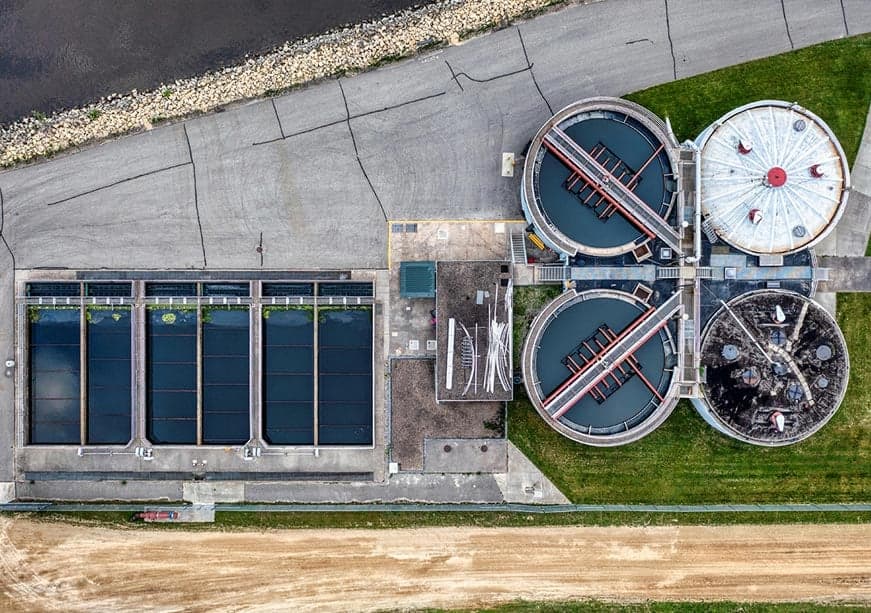
India's Water Management Initiatives Highlighted
National and International Importance06-Oct-2026

India's Water Management Initiatives Highlighted

India International Water Week: Key Highlights

  1. Event Overview:

    • Hosted the ninth edition focused on "climate-resilient water management".
  2. India's Progress:

Release earmark11 birds earmarked for wild release
October 3, 2026Date of release event
  • Transitioned from challenges with water access and climate shocks to a proactive stance on managing water resources sustainably.
  • Committed to efficient water use and environmental protection.
  • Key Government Schemes:

    • Swachh Bharat Mission: Aimed at improving sanitation.
    • Jal Jeevan Mission (JJM): Targets universal access to safe and adequate drinking water.
    • Jal Shakti Abhiyan: A water conservation campaign.
    • Namami Gange: Focused on river rejuvenation for the Ganges.
    • Atal Bhujal Yojana (ABY): Promotes sustainable groundwater management.
    • Per Drop More Crop (PDMC): Enhances water use efficiency in agriculture.
  • Case Study: "From Gujarat to India: Water Lessons for the World"

    • Chronicles the evolution of water governance reforms from 2001 to 2026.
    • Emphasizes the role of political leadership, public financing, and community engagement in strengthening water security.
  • Four Key Lessons for Global South:

    • Lead with Governance: Governance is crucial to water security, alongside infrastructure.
    • Integrated Resource Management: Optimize both water resource development and service sustainability.
    • Community Ownership: Effective local governance, such as Pani Samitis, enhances water access.
    • Scalability: Initiatives must be scalable to address global water issues effectively.
  • "4 Ps" Framework for Water Governance:

    • Political Prioritization: Leadership focused on water access and sustainability.
    • Public/Private Financing: Ensuring funding for governance needs.
    • Partnerships: Collaborations between various government levels and organizations.
    • People’s Participation: Involving communities in local water management.
  • Economic Data:

    • Projected annual revenue from treated used water in India to reach Rs 73,000 crore by 2047.
    • Additional $500 billion in annual investment required globally to achieve Sustainable Development Goal (SDG) 6 on water and sanitation by 2030.
  • Global Context:

    • India’s experience is instructive for other countries facing similar water governance challenges in the Global South.
  • Environmental Significance:

    • Importance of integrated management of water resources, ecosystems, and used water for sustainable development.
  • International Engagement:

    • The framework of cooperation was highlighted during the Delhi Declaration in October 2018, emphasizing partnerships for sustainable water management.
  • Future Directions:

    • Urgent need for a sustainable approach to manage surging water demands due to urbanisation and climate change.
    • Emphasis on the importance of treating used water as a valuable resource.
  • By focusing on these elements, India underlines its commitment to addressing water security through innovative governance and sustainable practices in alignment with international standards and agreements.

    Child Safety and Judicial Awareness
    National and International Importance04-Oct-2026

    Child Safety and Judicial Awareness

    Summary of Key Points:

    1. Judicial Ruling and POCSO Act:

      • The Delhi High Court addressed a case involving a minor rape survivor who identified her abuser as “uncle.”
      • The court emphasized the importance of the child’s testimony and awarded compensation, stating it cannot restore her childhood but acknowledges her courage.
      • Relevant laws:
        • Protection of Children from Sexual Offences (POCSO) Act, particularly Sections 4 (penetrative sexual assault) and 6 (aggravated penetrative sexual assault).
    2. National Crime Records Bureau Statistics:

      • In the 2024 report, of 44,126 reported cases under POCSO, only 1,492 cases involved an unidentified offender. This highlights issues of accountability and societal implications regarding child sexual abuse.
    3. Childhood Trauma:

      • Research indicates that childhood trauma can lead to insecure attachments and emotional issues in adulthood. Such findings suggest a long-term impact on victims of sexual assault.
    4. Societal Attitudes and Gender Perception:

      • The cultural response to incidents of sexual assault varies, with a notable infantilization of girl victims and disbelief towards their accounts compared to boy victims.
      • There is a call to examine the gendered lens through which society views and addresses crimes against children.
    5. Need for Preventative Measures:

      • The narrative urges a societal shift from teaching children how to avoid violence to instituting societal frameworks aimed at preventing violence against women and children.
      • It underscores the necessity for educational reforms and policy changes that empower both genders and ensure safety in public and private spaces.
    6. Constitutional Context:

      • The incident and related rulings raise concerns regarding Articles in the Constitution of India that pertain to the protection of children (Article 39(e) and 39(f) regarding children’s rights), highlighting the need for stricter enforcement and societal change.
    7. Mindset and Cultural Change:

      • The article advocates for a societal handbook that addresses prevention rather than victim-blaming, implying a significant cultural shift is necessary to properly address these issues.

    These points outline the serious implications of child sexual abuse, the systemic issues surrounding judicial accountability, cultural perceptions, and the need for comprehensive change in both policy and societal attitudes.

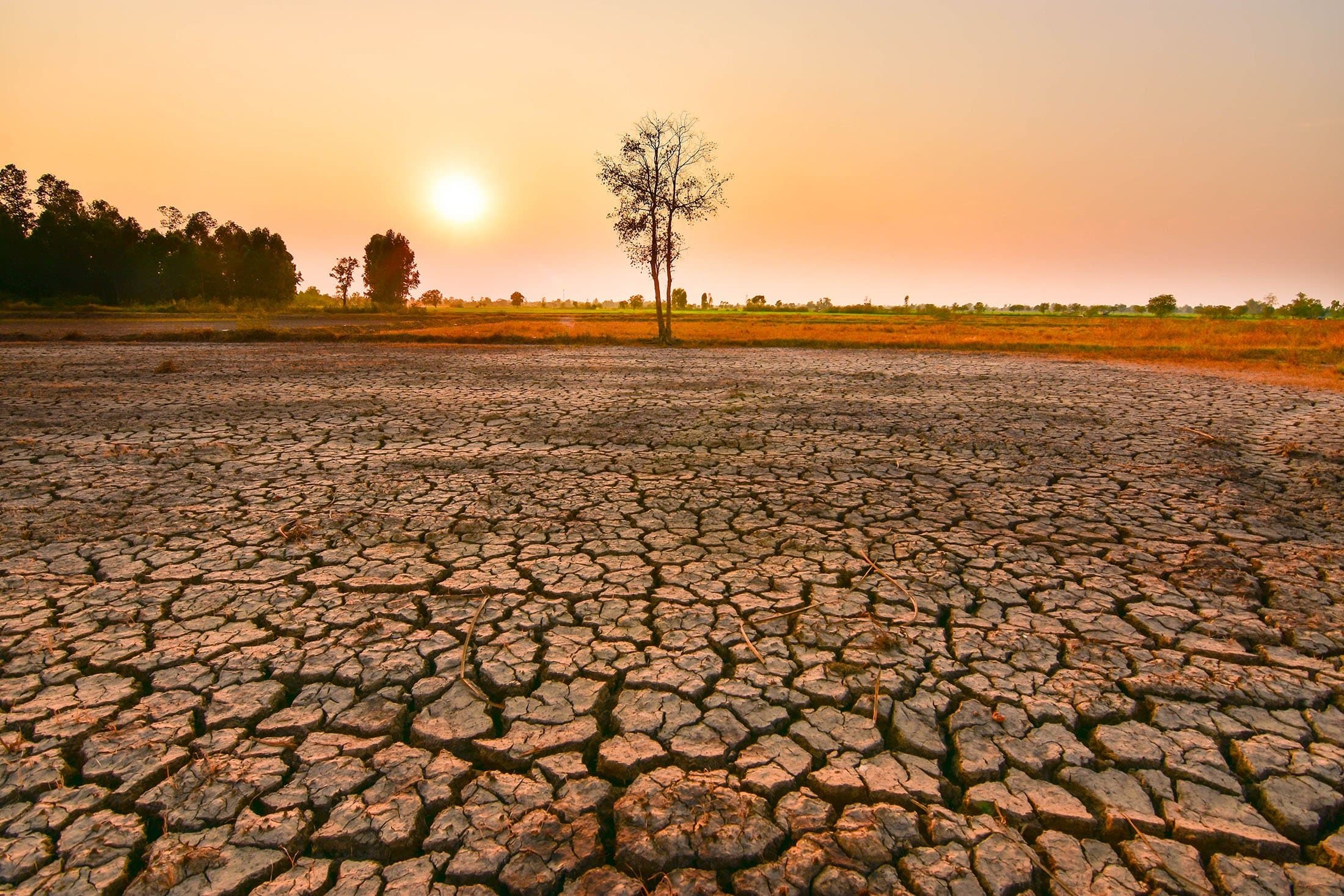
    India's Climate Challenges and Forecasting
    National and International Importance04-Oct-2026

    India's Climate Challenges and Forecasting

    Climate Monitoring and Ecological Challenges in India

    Key Climate Indicators:

    • India experienced a 12.6% rainfall deficit during the southwest monsoon.
    • The India Meteorological Department (IMD) alerts for extreme weather events, including cyclones, intense rainfall, and heatwaves.
    • Projections indicate an impending dry period across most of India due to a strengthening El Niño, significantly impacting water availability in rivers and wetlands, thereby stressing agriculture and ecosystems.

    Ecological Response and Monitoring:

    • Different ecological systems (forests, wetlands) show varied responses to rainfall deficits based on factors such as soil moisture, vegetation, groundwater, and human impact.
    • Stress from Super El Niño can exacerbate already strained ecosystems, potentially exceeding resilience thresholds.

    Technological Advancements in Weather Forecasting:

    India's New Fuel-Efficiency Regulations
    National and International Importance02-Oct-2026

    India's New Fuel-Efficiency Regulations

    Summary of India's CAFE-III Fuel Efficiency Rules

    Overview:

    • The Corporate Average Fuel Economy (CAFE)-III framework has been established to enhance fuel efficiency standards for passenger vehicles in India from April 1, 2027, to March 31, 2032.
    • It emphasizes a fleet-wide approach, compelling manufacturers to optimize fuel efficiency across their entire vehicle portfolio rather than on individual models.

    Key Regulations:

    • CAFE norms apply to M1 category passenger vehicles (cars manufactured or imported for sale in India).
    • The framework replaces model-specific regulations with a system based on the average unladen weight of vehicles sold by a manufacturer.

    Important Dates:

    • Notification Date: September 29, 2023
    • Application Period: April 1, 2027 - March 31, 2032

    Weight and Fuel Consumption Formula:

    • The annual average fuel consumption formula is defined as: [ \text{Annual Average Fuel Consumption} = a \times (W - b) + c ]
      • Where:
        • W = Weighted average unladen mass of vehicles sold.
        • b = Fixed reference weight (1,229 kg).
        • a = Variable determining target changes per kg above/below reference weight (starting at 0.00158 for FY28).
        • c = Baseline fuel target (3.9960 litres/100 km for FY28).

    Progressive Standards:

    • By FY32, values for a and c tighten to 0.00131 and 3.3273 litres/100 km, respectively.

    Powertrain Specific Benefits:

    • Battery-electric vehicles (BEVs) receive the highest compliance benefits, with their volume calculation weighted to enhance fleet performance.
    • Carbon Neutrality Factor (CNF) allows incorporating low-carbon fuels such as ethanol and biofuels to aid compliance.

    Impact on Small Cars:

    • The final framework does not create a separate regulatory category for small cars (under 909 kg), despite initial proposals for additional concessions.
    • Weight remains central to the compliance calculation.

    Carmaker Credit System:

    • Manufacturers can earn credits for exceeding efficiency targets and incur debits for falling short.
    • Credits can carry over within compliance blocks and can be traded between manufacturers.
    • Debits can be compensated by purchasing credits from the Bureau of Energy Efficiency starting at Rs 2,500 per g CO2/km in FY2027-28 and increasing annually.

    Technological Innovations Encouraged:

    • Efficiency improvements can be claimed from specified technologies like start-stop systems, LED lighting, and efficient alternators, with a cap on overall reductions permitted.
    • Alternative fuels receive positive recognition through specific carbon-neutrality factors.

    Judicial and Legislative Context:

    • CAFE norms were initially introduced in 2017 under the Energy Conservation Act, indicating a legislative framework aimed at reducing vehicle emissions progressively.

    International Context:

    • The new regulations align with global trends toward stricter emissions and fuel efficiency standards, reflecting India's commitment to cleaner energy and compliance with international environmental agreements.

    Benefits to Stakeholders:

    • The regulations have been positively received by automobile manufacturers, providing clarity and stability for long-term planning and technology investment.

    Conclusion

    India's CAFE-III framework represents a significant shift in automotive regulatory policy aimed at improving overall fuel efficiency and reducing CO2 emissions, aligning industry objectives with environmental goals and international standards.

  • Advances in satellite technology have revolutionized weather forecasting and disaster management, necessitating integration with ground-level observations for effective monitoring.
  • Uttarakhand's initiative: Real-time monitoring of glacial lakes (e.g., Vasundhara Tal) to link water levels and snow depth with early warning systems.
  • Importance of Ecological Research:

    • Necessity to monitor indicators of ecosystem health, including soil moisture, vegetation stress, and animal behavior to detect early signs of ecological strain.
    • Increased vulnerability of Himalayan forests due to climatic factors: warmer winters and erratic disturbances increasing the risk of wildfires.

    Marine Ecosystems:

    • Monitoring thermal distress in coral reefs is crucial for understanding the health of marine habitats and safeguarding coastlines against erosion and storm surges.

    Community and Institutional Coordination:

    • In light of the ongoing climate challenges, a collective appeal from nearly 200 ecologists for an emergency ecosystem-wide monitoring network highlights the inadequacy of current monitoring capabilities, which is dispersed across research institutions, governmental bodies, and civil groups.
    • A coordinated framework is urged for a unified response to climate variability and ecological monitoring.

    Government Responses and Initiatives:

    • The necessity for micro-monitoring to identify ecological nuances and direct resources effectively to vulnerable sites.
    • Advocacy for an integrated system to improve coordination among various stakeholders to appropriately respond to immediate and future ecological challenges driven by climate change.

    Overall Implication: India's post-monsoon climate challenges require substantial monitoring and response mechanisms to mitigate impacts on ecosystems and livelihoods. Promoting inter-institutional collaboration can enhance resilience against the adverse effects of climate variability exacerbated by phenomena such as El Niño.