iAspirants
Great Nicobar Island Infrastructure Development
Published on:
Share this post
Article Summary
Summary of the Holistic Development of Great Nicobar Island Project
Project Overview:
- Name: Holistic Development of Great Nicobar Island
- Budget: ₹72,000 crore
- Area: Covers approximately 166 sq. km (18% of the island)
- Objective: Transformation of Great Nicobar into a major transshipment and defence hub, including a city-state model for commercial and military purposes.
Key Components:
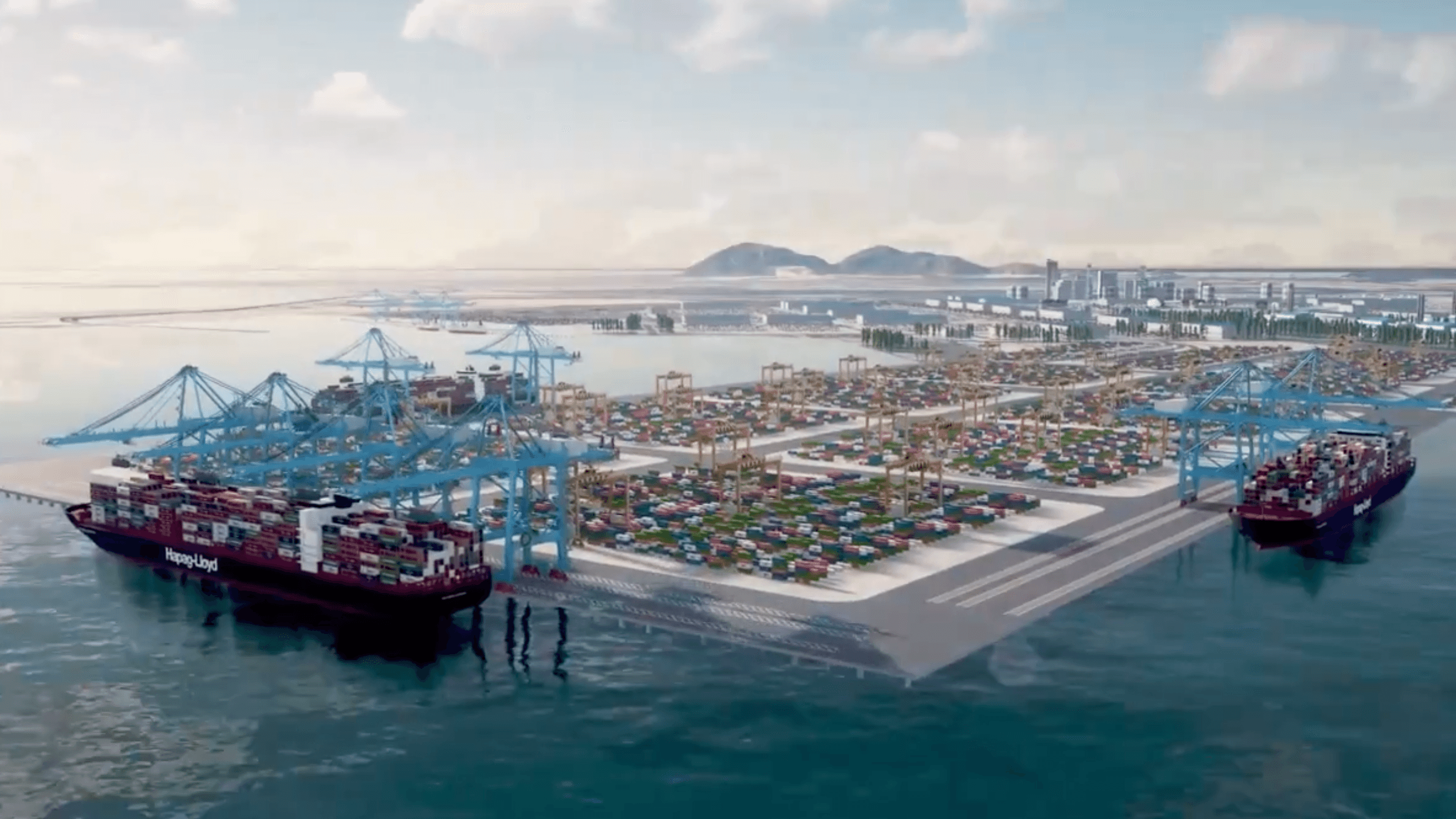
Container Transshipment Terminal:
- Location: Galathea Bay
- Capacity: Designed to handle 14.2 million TEUs of cargo, currently serviced primarily by ports in Colombo, Singapore, and Klang.
New Airport:
- Purpose: Civilian and military operations.
- Capacity: To accommodate 4,000 passengers per hour.
- Function: Serve as a forward base for logistics and surveillance in the Indian Ocean.
City Development:
- Expected population increase from 8,000 to over 3.5 lakh in 30 years.
- Includes industrial zones, residential areas, and urbanization of rainforest regions.
- Supported by a new 450-MVA gas and solar power plant.
Geopolitical Context:
- Location Significance: Overlooks the Strait of Malacca, crucial shipping lane for global trade (40% of world trade and most of China's energy imports).
- Economic Rationale: Decrease reliance on foreign ports for transshipment, reducing logistical costs.
Environmental Concerns:
- Deforestation: Estimated removal of 9.64 lakh trees; potential higher independent estimates.
- Biodiversity Impact: Threat to coastal ecosystems, including over 20,000 coral colonies and unique species such as the Nicobar megapode and leatherback turtles.
- Environmental Impact Assessment (EIA): Critiques on data scarcity, procedural haste, and lack of comprehensive analysis.
Tribal and Legal Issues:
- Indigenous Tribes: Home to Shompen (Particularly Vulnerable Tribal Group) and Nicobarese tribes. Concerns regarding health risks from increased population interaction and land access.
- Forest Rights Act, 2006: Requires gram sabha consent for forest land diversion. Reports indicate issues with proper consent; earlier 'no objection' was allegedly signed under pressure.
- National Green Tribunal (NGT) Involvement: Initially stayed the project; allowed to proceed after a closed report from a committee found it compliant amid transparency concerns.
Judicial Rulings and Governance:
- NGT's Role: Oversight of project compliance; criticisms of non-transparency in environmental clearances.
- Criticism from Experts: Concerns regarding governmental processes, overshadowing of environmental and indigenous rights in favor of rapid development.
Conclusion:
The Holistic Development of Great Nicobar Island is a major infrastructure project with significant economic ambitions and geopolitical implications but faces substantial opposition and scrutiny over environmental sustainability and indigenous rights. The balance between development and ecological conservation remains a critical area of debate.
Key Terms & Concepts
| ₹72,000-crore | Total investment in project |
| 166 sq. km | Area covered by the project |
| 14.2 million TEUs | Expected cargo capacity |
| 450-MVA | Power plant capacity |
| 40% | World trade passing through Strait of Malacca |
| 75% | India's cargo handled outside |
| 9.64 lakh trees | Estimated trees to be cut |
| Forest Rights Act 2006 | Regulation for forest land diversion |
| National Green Tribunal | Oversight body for environmental compliance |
| 2004 tsunami | Event impacting Nicobarese relocation |
| Great Nicobar Island | Location of the development project |
| Galathea Bay | Site for container terminal |
| Nicobar megapode |