iAspirants
Great Nicobar Island Infrastructure Project
Published on:
Share this post
Article Summary
Great Nicobar Island Mega-Infrastructure Project: Key Highlights
Project Overview
- Investment: ₹92,000 crore (approximately USD 11 billion).
- Scope: Development includes a transshipment port, an international airport, a township, and a power plant covering over 160 sq. km.
- Land Impact: Approximately 130 sq. km. of forest land resided by Nicobarese and Shompen tribes, with the latter classified as a Particularly Vulnerable Tribal Group (PVTG).
Government Position
- Environmental Awareness: The Union government claims full awareness of potential biodiversity impacts and has committed to mitigation measures for the project's duration (30 years).
- Biodiversity Protection Measures:
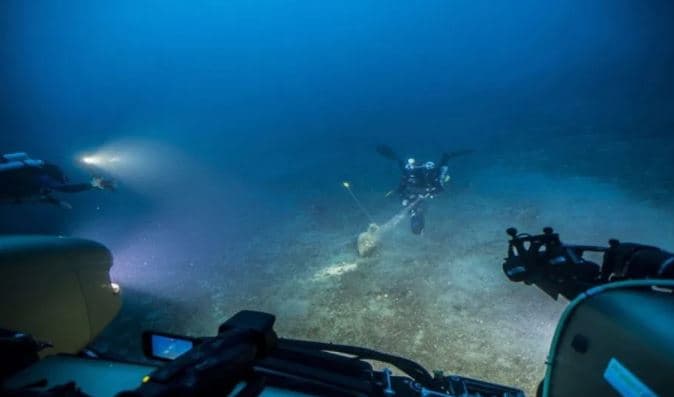
- Translocation plan for over 16,000 out of 20,668 coral colonies threatened.
- Monitoring of 4,500 coral colonies remaining.
- Preservation of 21 active Nicobar megapode nests, with plans to protect other nesting areas and species, including saltwater crocodiles and Nicobar macaws.
Legal and Regulatory Framework
- Challenges: Multiple petitions challenging environmental clearances based on violations of the Island Coastal Regulation Zone (ICRZ) notification 2019 and inadequacies in environmental impact assessments.
- Judicial Proceedings: The case is currently being reviewed by the National Green Tribunal (NGT).
Conservation Commitments
- Wildlife Sanctuaries: Three new wildlife sanctuaries have been approved to safeguard endemic species in the area.
- Research Infrastructure: Establishment of two all-weather research stations for biodiversity monitoring and intervention recommendations.
Monitoring and Oversight
- Monitoring Committees: Three committees have been established to oversee pollution control, biodiversity preservation, and tribal welfare, with an overarching committee for coordination.
- Tribal Welfare Monitoring: Suggested inclusion of Union Tribal Affairs Secretary in the monitoring committee for enhanced independence and representation.
Environmental Impact and Studies
- Plans for conservation of critical habitats and species are ongoing, indicating a governmental commitment to balancing project development with environmental stewardship.
- Over 90% survival rate of coral colonies through translocation efforts indicates a proven record in coral conservation.
Conclusion
The next hearing is scheduled for November 7, 2025, where ongoing concerns and monitoring strategies will be further discussed. The government's emphasis on robust scientific support and conservation strategy aims to position the project as a national asset while addressing environmental and tribal welfare concerns.
Key Terms & Concepts
| Great Nicobar Island | Location of mega-project |
| ₹92,000 crore | Project cost |
| 160 sq. km. | Area covered by project |
| Nicobarese | Scheduled Tribe inhabitants |
| Shompen | Particularly Vulnerable Tribal Group |
| Island Coastal Regulation Zone (ICRZ) notification, 2019 | Regulatory framework challenged |
| 30 | Nests of Nicobar megapode destroyed |
| 90% | Survival rate of translocated corals |
| 2052 | Conservation measures timeline |
| Three new wildlife sanctuaries | Conservation initiative |
| Two all-weather research stations | Biodiversity monitoring establishments |
| Galathea Bay | Location of biodiversity concern |