iAspirants
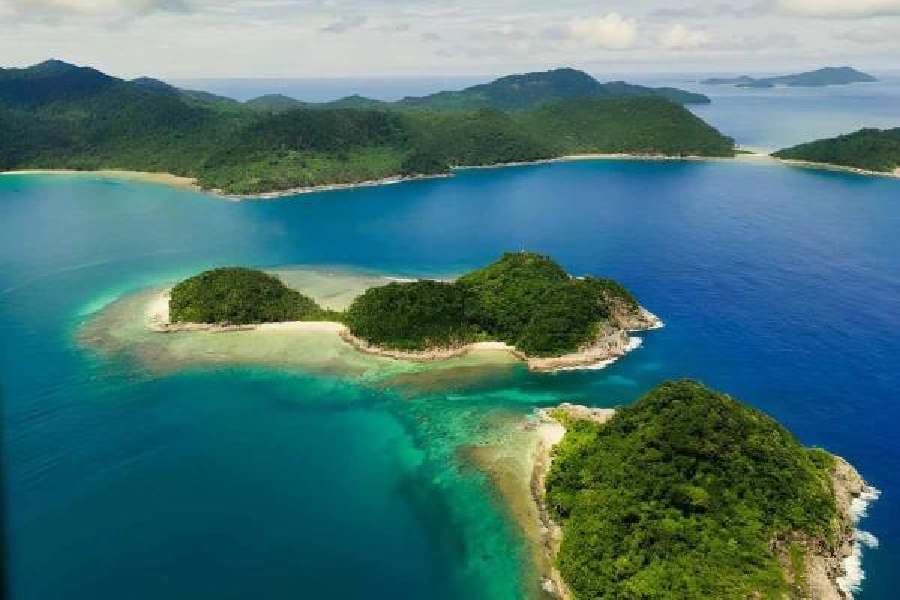
Great Nicobar Project Sparks Controversy
Published on:
Share this post
Article Summary
Key Highlights from the Great Nicobar Infrastructure Project Controversy
Constitutional and Environmental Aspects
- Legal Challenges: Petitions challenging the project are currently pending before the Calcutta High Court and the National Green Tribunal (NGT).
- Environmental Concerns: Accusations have been made regarding the flouting of environmental laws, potentially leading to disastrous ecological impacts in the Great Nicobar region.
Government Project Details
- Project Proposal: The Galathea Bay International Container Transshipment Terminal (ICTT) is to be developed under a public-private partnership (PPP) framework by the Union Ministry of Ports, Shipping, and Waterways as part of the larger Great Nicobar infrastructure project.
- Private Involvement: A specific private conglomerate, which operates 13 ports and terminals nationwide, is reportedly favored for the project, raising concerns about transparency and possible conflicts of interest.
Political Context
- Congress Party Allegations: Congress leadership, particularly Jairam Ramesh and Sonia Gandhi, has accused the Modi government of circumventing public discourse and transparency in favor of corporate interests.
- Ramesh described the government's actions as "bulldozing" and lacking due diligence.
- Gandhi termed it a “planned misadventure,” expressing concern for indigenous communities’ rights and legal processes.
Government Response
- Official Statements: Union Environment Minister Bhupender Yadav asserted that all statutory clearances for the project have been duly acquired, maintaining that the project is crucial for development in the region.
Public-Private Partnership (PPP) Framework
- Economic Strategy: The project is an example of the Indian government's push towards utilizing PPP models to enhance infrastructure development, potentially affecting environmental governance and community welfare.
Importance of Transparency
- Public Scrutiny: The lack of detailed disclosure around the project, justified by the government on national security grounds, is a focal point of critique from opposition parties and civil society, emphasizing the need for accountability in major infrastructure initiatives.
Conclusion
The unfolding situation around the Great Nicobar infrastructure project raises significant questions related to environmental law compliance, public-private partnerships in developmental projects, and the balance between national security and transparency. The discourse reflects broader debates on governance, ecological responsibilities, and the protection of indigenous rights in the face of economic advancement.
Key Terms & Concepts
| Great Nicobar infrastructure project | Proposed development project |
| Galathea Bay International Container Transshipment Terminal | Key part of the project |
| public-private partnership (PPP) | Development framework proposed |
| Calcutta High Court | Pending environmental petitions |
| National Green Tribunal (NGT) | Pending environmental petitions |
| Union Ministry of Ports, Shipping, and Waterways | Regulating body proposing development |
| statutory clearances | Permits claimed to be obtained |
| indigenous communities | Potentially impacted groups |
| environmental laws | Laws alleged to be violated |