iAspirants
Current AffairsPrelims PYQsUPSC CSE SyllabusUPSC CSE StrategyBlogsPricing
Login
iAspirants

Your AI-powered companion for UPSC preparation.

Quick Links

  • Home
  • About Us
  • Current Affairs
  • Prelims PYQs
  • UPSC CSE Syllabus
  • UPSC CSE Strategy
  • Blogs

Company

  • Pricing
  • FAQs
  • Contact Us
  • Login

Legal

  • Privacy Policy
  • Terms & Conditions
  • Return Policy

© 2025 iAspirants, Inc. All rights reserved.

  1. Blogs
  2. Environment and Ecology

Groundwater Assessment and Management in India

Published on: 10-Aug-2026

Source: PIB

Share this post

Groundwater Assessment and Management in India

Article Summary

Groundwater Resources in India: Key Facts and Figures

  1. Groundwater Assessment:

    • Conducted by the Central Ground Water Board (CGWB) in collaboration with state governments.
    • Total annual groundwater recharge: 449 billion cubic meters (BCM).
    • Annual extractable groundwater resources: 408 BCM.
    • Total annual groundwater extraction: 247 BCM.
      • Breakdown of extraction:
        • Irrigation: 215 BCM (87%)
        • Domestic use (including drinking water): 28 BCM (11%)
        • Industrial use: 4 BCM (2%)
  2. Groundwater Extraction Levels:

    • National average extraction level: 60.63%.
    • States/UTs with higher extraction levels than the national average: Punjab, Rajasthan, Haryana, Delhi, Puducherry, Tamil Nadu, Uttar Pradesh, Chandigarh, Karnataka.
    • Districts with extraction levels above the national average: 281 districts.
  3. Water Availability:

    • Estimated average annual per capita water availability for 2021: 1,573.19 cubic meters.
  4. Groundwater Quality:

    • Monitoring conducted under CGWB's quality monitoring program.
    • Groundwater is generally potable; 99% of monitoring stations report suitable quality for irrigation.
    • Specific issues identified in Bihar: Salinity, fluoride, nitrate contamination in certain localities.
    • Of 584 samples tested in Bihar, contamination levels exceeded permissible limits in:
      • Electrical conductivity: 5 samples
      • Fluoride: 39 samples
      • Nitrate: 78 samples
  5. State Responsibilities:

    • States are primarily responsible for groundwater management, quality improvement, and recharge initiatives.
    • Central government supports through scientific studies, technical guidance, policy cooperation, and financial assistance.
  6. Key Government Interventions:

    • National Aquifer Mapping and Management Program (NAQUIM):
      • Completed mapping of 2.5 million square kilometers, including 90,567 square kilometers in Bihar.
      • NAQUIM 2.0 focuses on detailed studies in priority areas, covering 76,857 square kilometers across 143 study areas.
  7. Innovative Technologies:

    • Development of cement sealing technology for arsenic-free groundwater access.
    • 525 arsenic-free exploratory wells constructed, including 40 wells in Bihar.
  8. Water Mission Initiatives:

    • Jal Jeevan Mission (JJM): Aims to provide quality drinking water to every rural household.
      • 82% of rural households (15.90 crore families) have been connected to tap water, including 1.60 crore families in Bihar.
    • Jal Shakti Abhiyan (JSA): Focuses on water conservation and recharge, with over 20 million works completed nationwide, including 575,000 works in Bihar.
    • Mission Amrit Sarovar: Development of water bodies to enhance groundwater recharge; approximately 69,000 sarovars developed, including 2,613 in Bihar.
  9. Agricultural Schemes:

    • Pradhan Mantri Krishi Sinchai Yojana (PMKSY): Enhances irrigation access and promotes sustainable water-saving practices.
    • Per Drop More Crop (PDMC): Focuses on improving water use efficiency at the farm level through micro-irrigation techniques.

Conclusion

The assessment and management of groundwater resources in India involve comprehensive monitoring and innovative strategies to ensure sustainable use and quality improvement. The government's multi-faceted approach includes significant initiatives aimed at enhancing water availability, quality, and agricultural productivity, particularly in water-scarce regions like Bihar.

Key Terms & Concepts

Central Ground Water Board (CGWB)Assesses groundwater resources
Annual Groundwater Recharge449 billion cubic meters
Annual Extractable Groundwater Resources408 billion cubic meters
Annual Groundwater Extraction247 billion cubic meters
Irrigation Usage215 billion cubic meters
Domestic Usage28 billion cubic meters
Industrial Usage4 billion cubic meters
Groundwater Extraction Level60.63 percent
Water Resources Assessment, 2024Average per capita water availability
Water Life Mission (JJM)Provides drinking water connection
Prime Minister's Agricultural Irrigation Scheme (PMKSY)Improves irrigation efficiency
National Aquifer Mapping and Management Program (NAQUIM)Aquifer mapping and management

Mind Map for UPSC Civil Services Revision

Turn UPSC Civil Services Current Affairs Into Exam-Ready Notes

Reading Environment and Ecology current affairs is half the work. Revise them with ready-made notes and test what actually stuck.

  • Daily UPSC Civil Services current affairs analysis
  • Revision notes, mind maps & MCQs
  • Prelims mock tests with instant results

Related UPSC Civil Services Current Affairs Articles

Ayurveda and Environmental Conservation Initiative
Environment and Ecology25-Sep-2026

Ayurveda and Environmental Conservation Initiative

Exam-Focused Notes on Ayurvedic and Environmental Initiative in Aravalli

Initiative Overview:

  • A collaborative project between Akhil Bharatiya Ayurveda Sansthan (AIIA), New Delhi, and 132 Infantry Battalion (Territorial Army) Eco Rajput.
Mission Amrit SarovarDevelops water bodies
Artificial Groundwater Recharge2 crore works completed
Annual Groundwater Quality Report, 2025Monitors groundwater quality
Arsenic-free TechnologyDevelops new water technology
Water Conservation and Recharge Works5.75 lakh works in Bihar
  • Objective: Planting of 10,000 Ashwagandha (Withania somnifera) plants and scientific monitoring in the Terriers Herbal Garden, Bhatti Mines, South Delhi.
  • Key Details:

    • Date of Event: September 24, 2026.
    • Leaders of the Initiative:
      • Prof. (Vaidya) Pradeep Kumar Prajapati, Director, AIIA.
      • Colonel Mohan Singh, Commanding Officer, 132 Infantry Battalion.

    Scientific and Environmental Focus:

    • The initiative integrates traditional Ayurvedic practices with scientific research and biodiversity conservation.
    • Regular monitoring and documentation of Ashwagandha growth to understand its adaptation to local climatic and environmental conditions.
    • Aims to strengthen the relationship between Ayurveda, nature, and sustainable development.

    Importance of Ashwagandha:

    • Recognized as a significant medicinal plant in Ayurveda.
    • The initiative will contribute to biodiversity conservation and knowledge creation regarding medicinal plants.

    Roles and Responsibilities:

    • Technical Support: AIIA tasked with providing technical assistance for the proper maintenance and management of the herbal garden.
    • Involvement of faculty and Ph.D. researchers from AIIA in the project.

    Environmental Significance:

    • The Bhatti Mines area is part of the South Ridge and Aravalli landscape, which has been affected by mining activities.
    • The project focuses on green restoration and replanting in degraded areas, promoting ecological balance.

    Existing Biodiversity at the Site:

    • The herbal garden already hosts around 200 species of medicinal and Ayurvedic plants, including Harshringar, Amla, and Aloe Vera.

    Government Policies and Campaigns:

    • The initiative aligns with the objectives of the National Medicinal Plant Board (NMPB) under the Ministry of AYUSH.
    • The NMPB runs the "Ashwagandha—A Health Promoter" campaign to raise awareness about the health benefits of Ashwagandha.

    Constitutional and Policy Context:

    • The initiative reflects the Directive Principles of State Policy (DPSP) in promoting sustainable development and environmental protection (Article 48A - Protection and improvement of environment and safeguarding of forests and wildlife).
    • Emphasizes the integration of traditional knowledge with modern scientific approaches, supporting the Cultural Rights as per Article 29 of the Constitution.

    Goals of the Initiative:

    • To foster scientific research related to medicinal plants.
    • To enhance biodiversity conservation efforts and develop an environmentally friendly ecosystem.

    Conclusion: This initiative serves as a bridge between traditional Ayurvedic knowledge and contemporary scientific research, promoting environmental restoration and biodiversity conservation in the Aravalli region.

    Transforming Plastic Waste Management in India
    Environment and Ecology25-Sep-2026

    Transforming Plastic Waste Management in India

    Exam-Focused Notes on Plastic Waste Management in India

    Key Concepts and Initiatives

    1. Swachh Bharat Mission (SBM):

      • Launched on October 2, 2014, aims to improve waste management systems in India.
      • Focuses on collection, segregation, and recovery of waste.
    2. Single-Use Plastic Ban:

      • Effective from July 1, 2022, bans identified single-use plastic items across India.
      • Supports the transition towards sustainable alternatives.
    3. Local Initiatives:

      • Trichy City Corporation: Launched campaigns to reduce single-use plastic in markets.
        • Engaged 220 vendors across three farmer markets.
        • Resulted in saving 2,200 kg of single-use plastic in one year.
    4. Thaila ATM Initiative:

      • Implemented in Vita, Maharashtra, providing reusable cloth bags through vending machines.
      • Monitored by GSMA technology, ensures stock availability.
      • Over 6,000 bags sold, promoting accessibility to reusable options.
    5. Buy-Back Scheme in Andaman & Nicobar Islands:

      • Encourages returning used plastic milk pouches for rewards (fresh milk, discounts).
      • By November 2024, 17,600 pouches collected, yielding 352 liters of milk.
    6. Waste Recovery and Recycling:

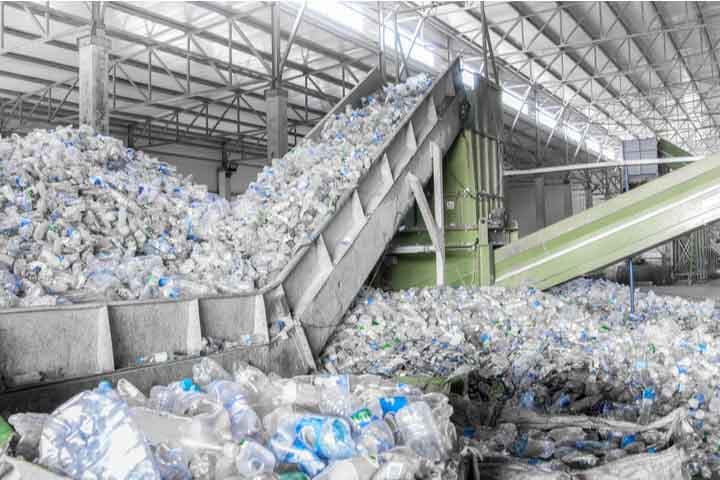
      • Bengaluru: Project to convert plastic waste into usable materials.
        • Established a recovery facility in 2019, employing 76 sanitation workers during COVID-19.
        • Processes waste for use in roads, agricultural pipes, and furniture.
    7. Multi-layered Plastic Recycling:

      • Patiala's Plastic Recycling Facility: Converts hard-to-recycle multi-layered plastics into eco-friendly chipboard.
        • Daily production capacity of 10 tons, producing 75-100 chipboards.

    Economic and Environmental Impact

    • Plastic Consumption:
      • Bengaluru consumes approximately 16 kg of plastic per person monthly.
    • Community Engagement:
      • Local self-help groups distribute paper and cloth bags, further promoting sustainable practices.

    Constitutional and Policy Framework

    • Constitutional References:
      • Article 51A (g): Encourages citizens to protect and improve the natural environment.
      • Directive Principles of State Policy (DPSP): Article 48A mandates the state to protect and improve the environment.

    Future Directions

    • The Swachh Bharat Mission aims to further enhance waste processing and material recovery, emphasizing sustainable practices in daily life.
    • Local actions highlight the importance of community involvement in reducing plastic waste.

    Summary of Results

    • Initiatives across cities show significant reductions in plastic usage.
    • Emphasis on creating a circular economy through recycling and reusing materials.
    • Continuous efforts to educate and engage communities in sustainable waste management practices.

    These initiatives reflect India's commitment to addressing plastic pollution through community-driven actions and policy enforcement, contributing to a cleaner and more sustainable environment.

    Bengaluru's Hebbal Tunnel Biodiversity Impact
    Environment and Ecology24-Sep-2026

    Bengaluru's Hebbal Tunnel Biodiversity Impact

    Summary of Bengaluru’s Hebbal Short Tunnel Project Impacts

    Environmental Concerns

    • Biodiversity Impact:

      • Over 70 tree species among the 1,128 trees within a 2.2-km stretch designated for felling for the Hebbal short tunnel project.
      • Notable species include Indian Kino, Big-leaf Mahogany, Beleric Myrobalan, and Yellow Tabebuia.
    • Microclimate Changes:

      • Experts predict felling will lead to a temperature increase of at least 2 degrees Celsius and create heat islands affecting a 2-km radius around the area.
      • Potential destruction of habitats, oxygen banks, and direct impact on underground water levels due to loss of tree cover.
    • Citizen Concerns:

      • More than 20,000 signatures have been gathered on a petition opposing the project, advocating for a pause and independent environmental assessments.
      • Calls for greater transparency in the public objection process, with demands for detailed lists of affected trees to facilitate meaningful objections.

    Government and Legal Framework

    • Greater Bengaluru Authority (GBA):

      • Issued a public notice on September 20, inviting public objections to the proposed tree felling but faced criticism for not uploading specific tree details.
    • Financial Aspects:

      • The project budget is approximately ₹1,140 crore.

    Urban Planning Implications

    • Urban landscapes, such as that of Bengaluru, have previously retained significant green spaces, making the number of species within this area notably high.
    • The Hebbal region is characterized by prior environmental degradation, raising additional concerns regarding urban heat and quality of life deterioration.

    Public Response and Activism

    • Environmental activists and citizen groups have criticized the GBA for negligence in handling the objection process.
    • Advocates stress the importance of preserving the "green-blue landscape" of Bengaluru for ecological balance and urban sustainability.

    Key Concerns for Examination

    • Environmental Legislation: Awareness of laws governing tree felling, urban planning, and preservation of green spaces.
    • Public Participation: Understanding mechanisms for citizen engagement in urban development projects.
    • Climate Impact Assessments: The significance of independent assessments for evaluating environmental impacts of major infrastructure projects.
    • Sustainable Urban Development: Challenges and strategies in balancing development needs with environmental protection and urban ecology.

    This summary consolidates crucial facts, figures, and stakeholder perspectives related to the Hebbal short tunnel project, emphasizing its environmental, financial, and regulatory dimensions.

    Chennai's Water Management and Innovation
    Environment and Ecology24-Sep-2026

    Chennai's Water Management and Innovation

    Water Management Innovations and Sustainability Efforts

    Chennai Water Crisis

    • The acute water crisis in Chennai in 1980 shifted CPCL’s approach to used water towards the principles of reduce, reuse, and recycle.
    • Current water management discussions are focusing on treating wastewater as an economic resource.

    Key Figures and Efforts

    • CPCL has adopted strategies to optimize its water consumption, producing 480 tonnes of steam through recycling efforts.
    • Indian Oil Corporation Limited (IOCL) is recycling 90-91% of its wastewater across its nine refineries, with plans to replace fresh water with treated water from sewage treatment plants (STPs) in major cities like Vadodara and Guwahati.

    Desalination and Seawater Usage

    • RAJIV MITTAL from VA TECH WABAG Limited advocated for the use of seawater instead of relying solely on freshwater resources, addressing the misconception that desalination is prohibitively expensive.
    • Emphasis was made on viewing untreated wastewater as a resource rather than waste.

    Geothermal Energy Development

    Court Bans Noise Pollution During Festivals
    Environment and Ecology24-Sep-2026

    Court Bans Noise Pollution During Festivals

    Summary of the Bombay High Court Ruling on Noise and Air Pollution during Festivals in Maharashtra

    Judicial Action:

    • On September 22, the Bombay High Court ordered a ban on firecrackers, laser lights, music, instruments, and sound systems during festivals across Maharashtra.
    • The decision followed suo motu cognizance of noise pollution issues discussed in court on September 21.
    • A Division Bench comprising Justice Girish Kulkarni and Justice Dr. Neela Gokhale will review compliance on October 15.

    Legal Provisions and Compliance:

    • Organizers of festivals must deposit ₹1 lakh for permission under the Noise Pollution (Regulation and Control) Rules, 2000; individuals must deposit ₹50,000.
    • Deposits will be forfeited if the decibel level exceeds legal limits during the event.
    • Mandatory installation of decibel meters is required, with their readings displayed prominently.
    • Organizers must provide an undertaking that sound systems will be equipped with sound limiters and ensure compliance with all permissions.

    Accountability Measures:

    India's Energy Transition Towards Net-Zero
    Environment and Ecology24-Sep-2026

    India's Energy Transition Towards Net-Zero

    Key Points from the Panel Discussion on India's Refining and Energy Sector

    Energy Transition and Net-Zero Goals

    • Net-Zero Target: Chennai Petroleum Corporation Limited (CPCL) aims for net-zero Scope 1 and Scope 2 emissions by 2046.
      • Scope 1: Direct emissions from refinery operations.
      • Scope 2: Emissions from purchased electricity.
      • Scope 3: Dependent on the transition in sectors consuming refinery products, particularly transportation.

    Technological and Operational Improvements

    • CPCL has achieved increased crude throughput with enhanced energy conservation measures, cleaner fuels, operational optimizations, and digitalization.
    • The transition includes moving from high-carbon to low-carbon systems instead of immediate fossil fuel replacement.
    • Green hydrogen is advancing from policy to practical implementation, though high costs remain a barrier.

    Challenges in Renewable Energy

    • The intermittent nature of renewable energy presents challenges for refineries requiring stable energy supply.
    Assessment of MSC Elsa 3 Wreck
    National and International Importance23-Sep-2026

    Assessment of MSC Elsa 3 Wreck

    Key Points on MSC Elsa 3 Wreck Case

    Judicial Context

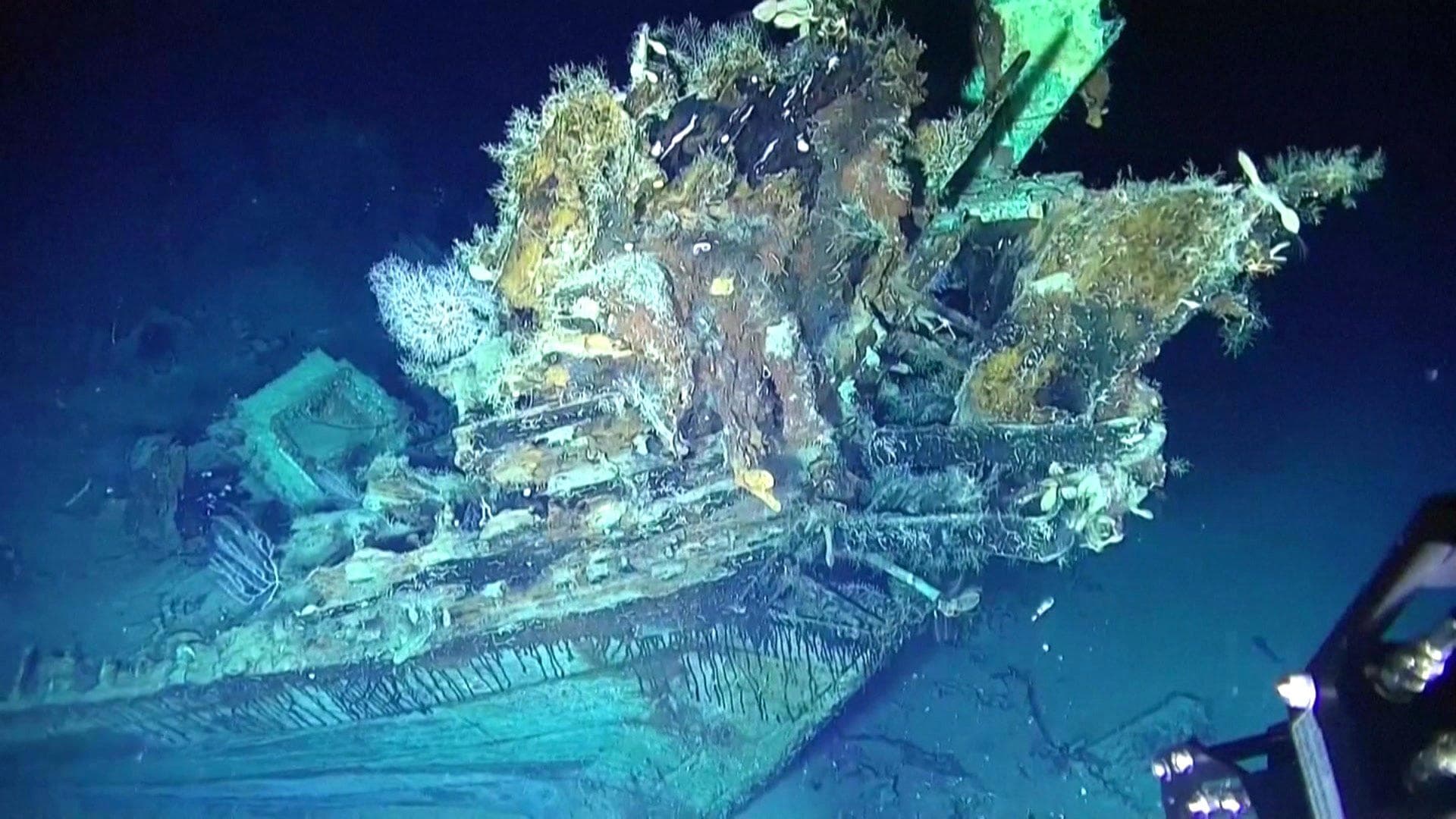
    • The Kerala High Court is hearing public interest litigations (PILs) regarding the removal of the wreck of MSC Elsa 3, a Liberia-flagged ship that sank off Alappuzha's coast in 2025.
    • The Division Bench consists of Justices V. Raja Vijayaraghavan and K.V. Jayakumar.

    Maritime Administration Involvement

    • Directorate General of Maritime Administration (DGMA) informed the court about steps taken to assess the wreck's situation.
    • DGMA requested assistance from the Indian Navy to perform an underwater survey of the submerged containers and hazardous cargo.

    Technical Surveys

    • Two Indian firms, C Track Surveys and Fugro Survey India Pvt. Ltd., have the technical capabilities to conduct multibeam and side scan surveys of the wreck site.
    • The costs of the proposed surveys are to be borne by Mediterranean Shipping Company (MSC), supervised by competent authorities.

    Committee Proposal

    • A proposal for the constitution of an inter-departmental committee to oversee the survey consists of:
      • Ministry of Ports, Shipping and Waterways
      • Mercantile Marine Department
      • Ministry of Environment, Forest and Climate Change
      • Kerala State Disaster Management Authority
      • Scientific and technical institutions like the National Institute of Oceanography and National Institute of Ocean Technology.

    Responsibilities Under Relevant Laws

    • According to the Merchant Shipping Act, 2025, the case involves assessing if the wreck poses a hazard based on factors such as:
      • Characteristics of the wreck
      • Tidal range & depth in the area
      • Proximity to protected areas, shipping routes, offshore pipelines, and tourist spots
      • Meteorological conditions & sensitive sea areas.

    Impacts & Public Interest

    • The court hearings focus on the potential hazards to the marine environment and local fishing communities and the need for responsible handling of hazardous materials from the wreck.
    • Affected fishermen have sought compensation for impacts stemming from the wreck.

    Conclusion

    The proceedings highlight the intersection of maritime law, environmental protection, and public safety in maritime incidents, demonstrating the role of various governmental bodies and the legal framework guiding the response to maritime hazards.

    Avalanche Risks and Future Solutions
    Environment and Ecology23-Sep-2026

    Avalanche Risks and Future Solutions

    Disaster Overview:

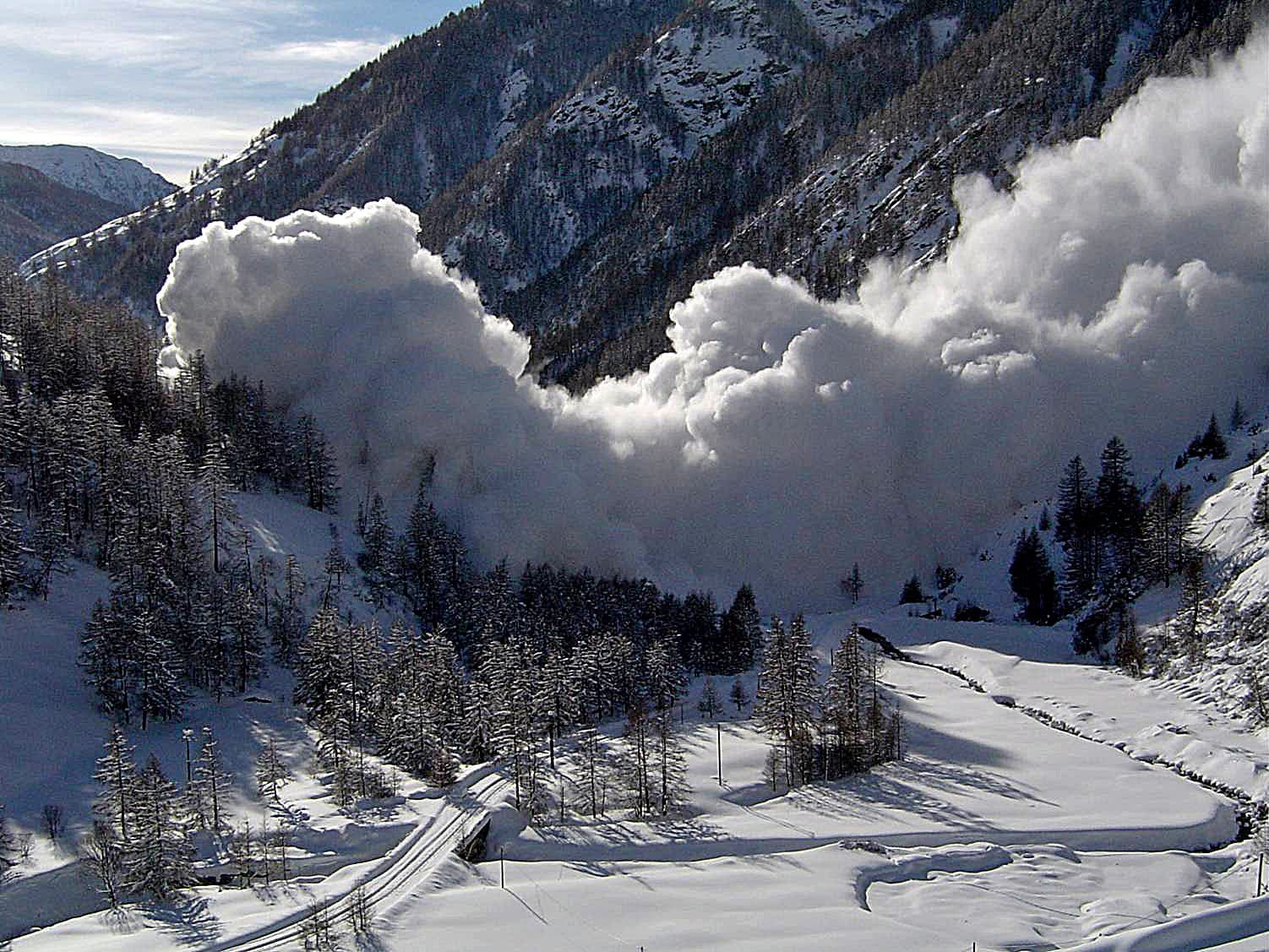
    • Recent geological disasters in Nepal and Tibet involved a rock-ice avalanche leading to a debris flow.
    • Similar events occurred in Chamoli (2021) and Dharali (2025), highlighting the increasing risk of these disasters due to changing climatic conditions, including accelerated deglaciation and thawing permafrost in the Himalayas.

    Impact of Rock-Ice Avalanches:

    • Rock-ice avalanches are not classified as "natural disasters" until they affect human life and surroundings.
    • The physical impact of the Rasuwa avalanche mimicked seismic activity, falsely suggesting an earthquake.

    Glacial Lake Outburst Floods (GLOFs):

    • GLOFs pose significant risks to Himalayan communities; an estimated 15 million people globally are under threat, predominantly in High Mountain Asia.
    • The disaster's origin was a rock-ice avalanche rather than a GLOF, complicating risk assessment and management efforts.

    Monitoring and Prediction Challenges:

    • Current methodologies for predicting rock-ice avalanche impacts, unlike GLOFs, are inadequate- as there are no defined monitoring systems in place for every affected valley.
    • Rajesh Nair from IIT Madras introduced India's first project aimed at deriving geothermal energy from unused oil and gas wells, underscoring the importance of assessing groundwater quality and the significance of conserving wetlands.

    Technological Integration for Water Management

    • The summit called for integrating digital data analysis and IoT solutions to monitor water conditions and manage resources effectively. This includes establishing clear guidelines for water usage and promoting groundwater recharge strategies.

    Partnerships and Support

    • The summit was supported by various partners including CPCL, NLC India Limited, and Larsen & Toubro, and involved partners focusing on sustainability, climate action, and economic strategy.

    This summary emphasizes ongoing efforts towards managing water resources sustainably in Chennai, reflecting innovative strategies, technological advancements, and community partnerships pivotal for future water management approaches.

  • Names, addresses, and contact details of participants and organizers must be displayed to ensure accountability for violations.
  • Authorities mandated to assess the cumulative impact of event permissions in specific wards on local noise pollution before granting approvals.
  • No permissions will be granted without a proper noise pollution assessment.
  • Enforcement Directives:

    • The court instructed authorities to actively monitor and enforce noise pollution regulations; actions to be taken against unauthorized use of sound systems include seizure of equipment.
    • A specific ban on firecrackers and high-intensity lights during festivals to mitigate both air and noise pollution.
    • Emphasis on the necessity for the implementation of the Noise Pollution Rules, maintaining that festival celebrations do not exempt adherence.

    Health and Environmental Concerns:

    • The court highlighted the lack of regulatory norms for the toxicity of smoke from firecrackers, denoting serious health hazards to participants.
    • It emphasized that noise pollution adversely affects health, particularly impacting the well-being of sensitive groups such as the ill, students, and children.
    • Authorities were urged to address ongoing air quality challenges, especially post-monsoon when pollution levels typically rise.

    Relevant Laws and Constitutional References:

    • Enforcement is under the Noise Pollution (Regulation and Control) Rules, 2000; the Environment (Protection) Act, 1986; and the Bharatiya Nyaya Sanhita, 2023.
    • Breaches of noise pollution regulations are considered violations of citizens' rights, necessitating government intervention and public awareness regarding pollution responsibilities.

    Future Compliance:

    • Further discussions will occur on October 15 regarding compliance with the aforementioned directions.
    • The court reiterated the importance of citizen awareness concerning the need to control and regulate pollution to promote societal well-being.

    This summary encapsulates the significant judicial rulings, legal implications, and environmental considerations addressed by the Bombay High Court concerning noise and air pollution during Maharashtra's festival seasons.

  • Emphasis on the need for energy storage and technological advancements in electrolysis.
  • Refineries are developing Sustainable Aviation Fuels (SAF) using feedstocks like used cooking oil, facing challenges in collection and sustainability certification.
  • Regulatory Framework and Carbon Credits

    • Introduction of the Carbon Credit Trading Scheme to shift energy efficiency in the petrochemical industry to a compliance-based mechanism.
      • Companies will have emissions-intensity targets for specific periods and can trade excess efficiency certificates.
      • The Bureau of Energy Efficiency already has mechanisms like the Perform, Achieve and Trade scheme for incentivizing energy efficiency.

    Economic Resilience Strategies

    • The geopolitical landscape’s effect on crude supplies requires Indian refineries to diversify sources and enhance supply resilience.
    • The importance of safeguarding energy security while investing in renewable energy, green hydrogen, and sustainable fuels.

    Collaborative Efforts and Partnerships

    • The summit is supported by various organizations including CPCL, NLC India Limited, and Larsen & Toubro with specific partnerships focused on sustainability, climate action, and energy efficiency.

    Implications and Future Outlook

    • Transitioning towards net-zero while maintaining energy security necessitates a balanced approach focusing on energy efficiency before undertaking costly decarbonization technologies.
    • Future investments in renewable technologies and fuel alternatives will be vital for achieving sustainable energy goals while navigating economic and geopolitical challenges.

    Conclusion

    The discussions highlight the crucial need for strategic advancements in technology, regulatory frameworks, and collaborative efforts to ensure a robust transition to a sustainable energy future in India’s refining sector.

  • Strategic planning is needed to identify high-risk slopes effectively for potential catastrophic failures.
  • Workers’ Safety:

    • Numerous fatalities in previous disasters involved workers from hydropower projects located in vulnerable areas directly impacted by hazardous flows.

    Technological and Scientific Advancements:

    • Recommendations include developing a dense network of seismic stations to detect landslide-generated earthquakes.
    • Current detection systems exist for extreme flood events but require improvements in real-time monitoring and communication to ensure timely warnings to communities.

    Collaboration and Funding Needs:

    • Effective disaster risk management in the Himalayan region necessitates international collaboration and significant investment—potentially requiring tens of millions of dollars for infrastructure improvement.

    Societal Considerations:

    • Community education and trust in warning systems are critical for effective disaster response.
    • Discussion regarding sustainable development and land-use pressures must occur as the region faces increasing geological and climatic threats.

    Future Preparedness:

    • Future disaster risk strategies should integrate scientific research with community action to enhance preparedness and resilience against potential disasters.
    • Essential questions remain about sustainable development practices that prioritize human safety while respecting ecological integrity.

    Conclusion:

    • The dynamics of geological disasters necessitate a multidisciplinary approach that encompasses scientific, technological, and community engagement to mitigate future risks effectively.