iAspirants
Current AffairsPrelims PYQsUPSC CSE SyllabusUPSC CSE StrategyBlogsPricing
Login
iAspirants

Your AI-powered companion for UPSC preparation.

Quick Links

  • Home
  • About Us
  • Current Affairs
  • Prelims PYQs
  • UPSC CSE Syllabus
  • UPSC CSE Strategy
  • Blogs

Company

  • Pricing
  • FAQs
  • Contact Us
  • Login

Legal

  • Privacy Policy
  • Terms & Conditions
  • Return Policy

© 2025 iAspirants, Inc. All rights reserved.

  1. Blogs
  2. Environment and Ecology

Himalayan Disaster and Its Consequences

Published on: 28-Aug-2026

Source: The Hindu

Share this post

Himalayan Disaster and Its Consequences

Article Summary

Himalayan Disaster – Key Highlights:

  • Geographic Context: The disaster was primarily driven by two factors:

    • Mountainous Terrain: The steep slopes of the Himalayas facilitated rapid water movement downstream during flooding events.
    • Weather Phenomenon: Intense cloudbursts and glacier melt in the higher Himalayan ranges contributed to sudden and severe flooding.
  • Impact Analysis:

    • The destruction caused by the disaster is unprecedented, with projections indicating thousands of casualties and extensive damage, including hundreds of villages and small towns being wiped out.
  • Post-Disaster Recommendations:

    • Experts call for increased cooperation among Himalayan nations to establish:
      • Joint Early-Warning Networks: Implementing systems for timely warnings regarding natural disasters.
      • Real-Time Data Sharing: Collaboration on sharing critical meteorological and geological data.
      • Resilient Infrastructure: Development of infrastructure capable of withstanding extreme weather conditions.

Cultural Institutions in Tamil Nadu – Key Insights:

  • Eyal Isai Nataka Mandram: The apex cultural body in Tamil Nadu is currently inactive, indicating a significant gap in cultural governance.

  • Kalaimamani Awards: The state's prestigious awards recognizing excellence in arts are currently suspended.

  • Recommendations for Revitalization:

    • A call for the Tamil Nadu government to:
      • Revive the Eyal Isai Nataka Mandram: Reactivate its functions to promote the arts.
      • Reconstitute Executive/General Councils: Form new leadership to drive the objectives of the body effectively.
      • Reform Awards Process: Distinguish between classical arts and cinema to ensure fair recognition.

This summary provides an overview of the calamities faced in the Himalayan region due to natural disasters and the recommendations for cultural institutions in Tamil Nadu, emphasizing the need for early-warning systems and the revitalization of cultural governance.

Key Terms & Concepts

Himalayan terraincontributing factor to disaster
cloudburstintensity factor for flooding
melting glaciersclimate change impact
joint early-warning networksproposed disaster management approach
real-time data sharingproposed disaster preparedness strategy
resilient infrastructureproposed solution for future safety
Tamil Nadulocation of cultural body mentioned
Eyal Isai Nataka Mandramcultural institution needing revival
Kalaimamani State awardsawards currently suspended

Mind Map for UPSC Civil Services Revision

Turn UPSC Civil Services Current Affairs Into Exam-Ready Notes

Reading Environment and Ecology current affairs is half the work. Revise them with ready-made notes and test what actually stuck.

  • Daily UPSC Civil Services current affairs analysis
  • Revision notes, mind maps & MCQs
  • Prelims mock tests with instant results

Related UPSC Civil Services Current Affairs Articles

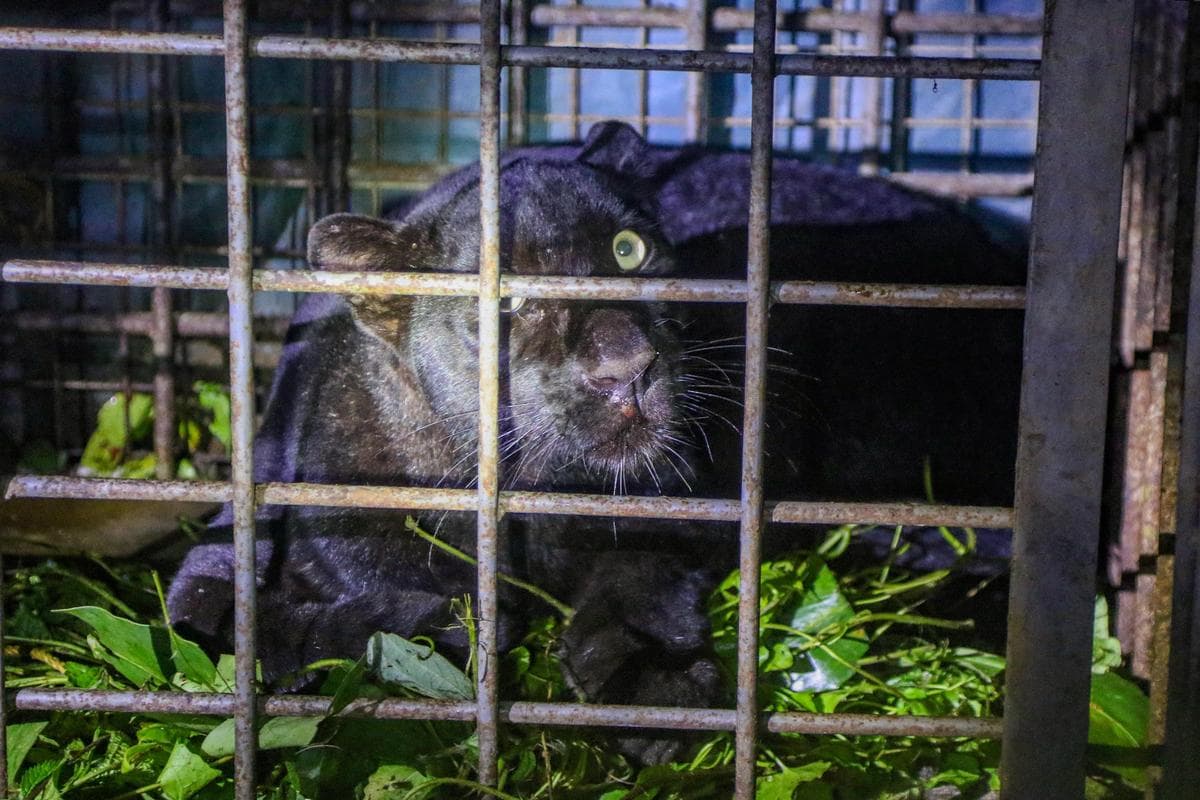
Black Panther Cub Trapped in Kerala
Environment and Ecology12-Oct-2026

Black Panther Cub Trapped in Kerala

Wildlife Conservation Incident: Black Panther Cub Trapping in Kerala

  1. Incident Overview:

    • A black panther cub, approximately two years old, was trapped in Kulathumon, Kalanjoor panchayat, Pathanamthitta, Kerala.
    • This event is noteworthy as it represents possibly the first instance of black panther caging in Kerala.
  • Background:

    • The trapping was initiated due to ongoing human-wildlife conflicts involving leopards in the region.
    • The Chief Wildlife Warden (CWW) of Kerala issued an order for cage trapping on August 5, 2025, in response to reports of a “problematic, straying leopard.”
  • Health and Release Protocols:

    • Upon capture, the cub was to be assessed for health and subsequently released into the wild, as per guidelines stated by the National Tiger Conservation Authority (NTCA).
    • Wildlife advocates have expressed concern that the cub was transferred to the zoological park in Thrissur instead of being released back into its natural habitat, arguing that the animal had only minor injuries.
  • Wildlife Conflicts:

    • The area has reported multiple incidents of leopard sightings, dognapping, and animal-human encounters.
    • CCTV footage and pug marks confirm the presence of leopards; at least four have been captured in prior years.
  • Expert Opinions:

    • Wildlife enthusiasts and experts argue that the cub may have had no role in the recent conflicts and that adult leopards could be responsible.
    • The Divisional Forest Officer (DFO) stated that the cub would be observed in the zoological park and noted the existence of leopards in the vicinity of abandoned rubber plantations, emphasizing habitat establishment.
  • Conservation Measures:

    • The move to relocate the cub instead of immediate wild release has drawn scrutiny related to adherence to established protocols for handling captured wildlife.
    • Advocacy reflects concerns for animal welfare and the practicality of post-capture integration into natural ecosystems.
  • Government Policies:

    • The guidelines set forth by the NTCA are crucial for the management of wildlife interventions, emphasizing rehabilitation of captured animals back into their habitats.
  • Conclusion:

    • The situation underscores ongoing challenges in wildlife management in Kerala, particularly involving leopards, human interaction, and the welfare of wildlife during conservation practices.
  • This incident highlights the importance of adhering to wildlife protocol and reinforces the need for balancing human-wildlife coexistence in conflict-prone areas.

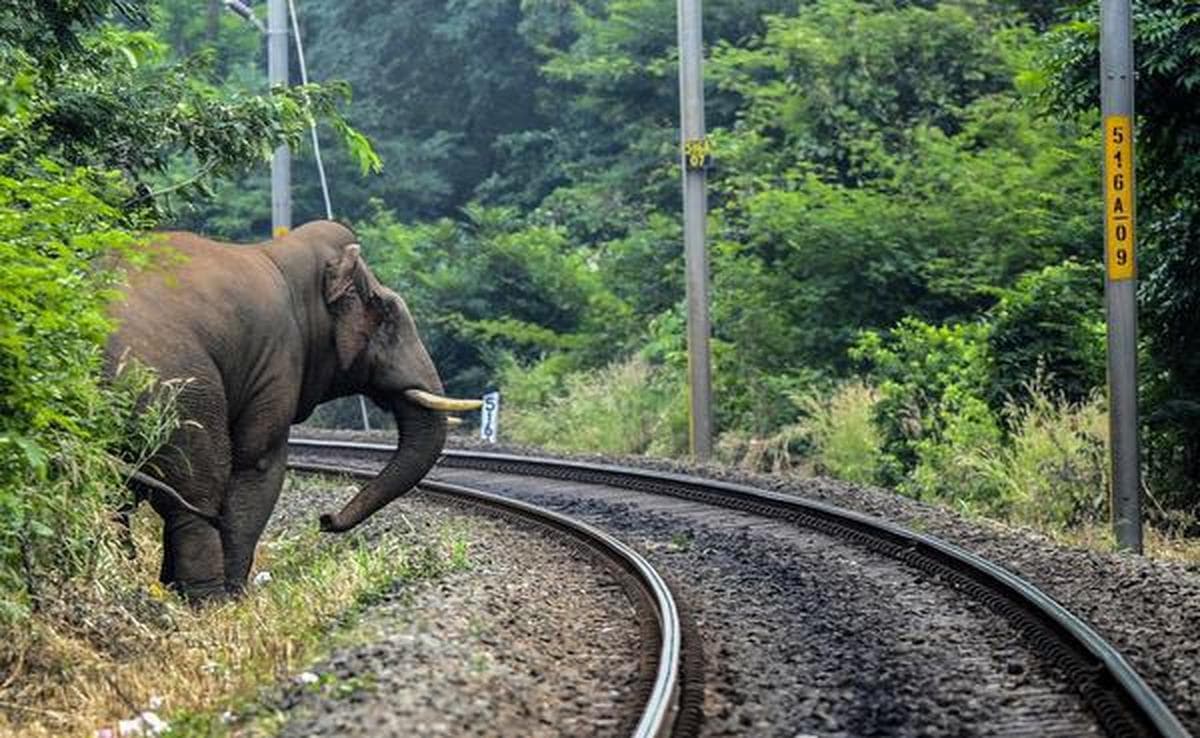
    Forest Department Fences Wild Elephants
    Environment and Ecology11-Oct-2026

    Forest Department Fences Wild Elephants

    • Forest Management and Wildlife Protection:

      • The Forest department plans to report on the reinstallation of fences obstructing elephant passages in the Devikulam forest range, Idukki.
      • Officers previously removed wire ropes and solar electric fencing from cardamom plantations to allow free movement of elephants.
      • Landowners reinstalled barriers shortly after removal, prompting the Chief Conservator of Forests (CCF) D. K. Vinod Kumar to direct a report on the issue.
    • Government Intervention:

      • The removal of fences was executed following an order from the District Collector, influenced by tribal community demands.
      • An incident leading to a tribal man's death due to a wild elephant attack prompted the Collector to enforce the Disaster Management Act (DDMA) to dismantle obstructions to elephant paths.
      • Restrictions on fences are aimed at mitigating human-wildlife conflict by allowing elephants to access traditional migratory routes.
    • Community Engagement:

      • Local farmers' groups visited conflict-affected areas to engage with residents and assess the situation.
      • The Idukki Land Freedom Movement plans to submit a memorandum to the State government, urging coordinated intervention from the Revenue and Forest Ministers for a lasting solution.
    • Human-Wildlife Conflict:

      • Reinstallation of fences by landowners has diverted elephants, increasing tensions and conflicts between wildlife and human settlements.
      • The Forest department’s initiative to open up traditional migratory routes for elephants is part of efforts to reduce these conflicts.
    • Judicial and Administrative Framework:

      • The actions taken fall under the operational mandates of the Disaster Management Act, reflecting how legal frameworks govern wildlife conservation and human safety.

    In summary, the situation involves conflict between landowners and wildlife protection efforts, with administrative and tribal actions being taken to address the challenges posed by human-wildlife interaction, emphasizing the need for a collaborative approach to wildlife management.

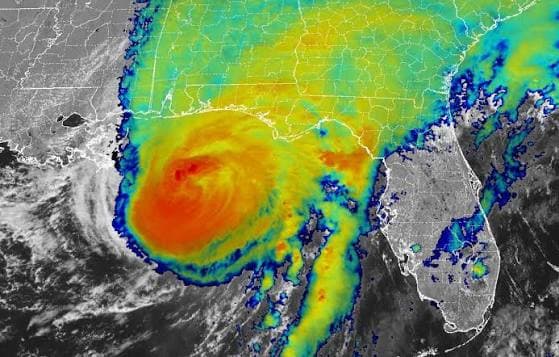
    Hurricane Isaias Threatens Gulf Coast
    Environment and Ecology10-Oct-2026

    Hurricane Isaias Threatens Gulf Coast

    Hurricane Isaias Summary

    Overview:

    • Hurricane Isaias, a Category 3 storm, is approaching Alabama and the Florida Panhandle, marking the first major hurricane of an otherwise calm Atlantic season.

    Meteorological Data:

    • Current Status: As of the morning of October 9, the storm had sustained winds of 120 mph (193 kph).
    • Projected Path: Expected to make landfall between Mobile Bay, Alabama, and Destin, Florida.
    • Storm Surge Risk: Potential surge of 6 to 9 feet (1.8 to 2.7 meters), particularly threatening locations such as Pensacola Beach and Gulf Islands National Seashore.
    • Inland Impact: After landfall, Isaias is expected to weaken but will still bring heavy rain (4 to 8 inches or 10 to 20 cm) and sustained storm conditions into the Midwest and Northeast.

    Preparations and Responses:

    • Residents are stocking up on essentials: generators, water, fuel, and food supplies.
    • Local communities are working together to prepare, including filling sandbags to protect homes.

    Government Warnings:

    • Florida Governor Ron DeSantis cautioned residents about expected power outages, gasoline shortages, and potential bridge and highway closures.
    • The National Hurricane Center has issued warnings for dangerous conditions across the western panhandle, southern Alabama, and southern Mississippi.

    Economic Indicators:

    • Waffle House closures in the Florida Panhandle, which serve as an indicator of hurricane severity based on their historical operation during storms.

    Judicial and Legislative References:

    • No specific articles, laws, or amendments referenced in the context of the hurricane response or preparation.

    International Context:

    • No international treaties or agreements highlighted relevant to the hurricane response.

    Historical Context:

    • This storm follows Hurricane Milton, which impacted the eastern U.S. in 2024, marking two significant hurricane events within a two-year span.

    Environmental Impact:

    • Anticipated heavy rainfall can lead to flooding and affect local ecosystems, especially in coastal areas vulnerable to storm surges.

    Science & Technology Updates:

    • No new scientific advancements or technological updates referenced in relation to disaster management or hurricane forecasting.

    Conclusion:

    Hurricane Isaias poses significant risks with potential heavy flooding and severe weather impacts expected in a broad region of the southeastern and eastern United States. Communities are gearing up for the storm, highlighting resilience and preparedness in the face of natural disasters.