iAspirants
Current AffairsPrelims PYQsUPSC CSE SyllabusUPSC CSE StrategyBlogsPricing
Login
iAspirants

Your AI-powered companion for UPSC preparation.

Quick Links

  • Home
  • About Us
  • Current Affairs
  • Prelims PYQs
  • UPSC CSE Syllabus
  • UPSC CSE Strategy
  • Blogs

Company

  • Pricing
  • FAQs
  • Contact Us
  • Login

Legal

  • Privacy Policy
  • Terms & Conditions
  • Return Policy

© 2025 iAspirants, Inc. All rights reserved.

  1. Blogs
  2. History

Historical Overview of Chennai's Fishing Settlements

Published on: 22-Aug-2026

Source: The Hindu

Share this post

Historical Overview of Chennai's Fishing Settlements

Article Summary

Exam-Focused Notes on Maquaskuppam and Historical Fishing Settlements

Historical Context

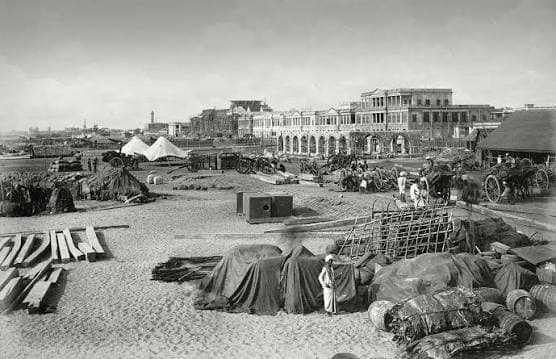
  • Maquaskuppam: An early fishing settlement in Chennai, now non-existent.
  • Etymology: "Maqua" likely derived from "machua," Hindi for fisherfolk.
  • Cultural Markers: Streets named after Narayan and Jaffer Sairangs, indicating historical roles of boatmen as second-in-command (Persian "sarhang").

Fishing and Maritime History

  • Early Maritime Activity: Fishing and boating existed before Islamic merchants arrived.
  • Literary References:
    • Tevaram (7th Century): Appar's verses illustrate metaphorical voyages using boats.
    • Periyapuranam (12th Century): Mylapore depicted as a bustling harbor for trade.
  • Colonial Era:
    • British colonialism transformed the fishing profession; large vessels could not dock near shore, leading to the use of masula boats and catamarans (from Tamil "Kattu Maram").

Economic Aspects

  • Boatmen's Role: Essential for trade; they charged market rates and resisted government regulation, leading to strikes that impacted city commerce.
  • Harbor Development:
    • Madras Chamber of Commerce fought for a proper harbor, which began construction in 1875.
    • Development faced technological and design challenges, delaying completion until the late 1890s.
  • Impact on Boatmen: With the establishment of the harbor, boatmen transitioned back to fishing, becoming marginalized.

Socio-Cultural Observations

  • Marginalization: Boatmen, once pivotal to trade and transport, lost prominence and are now often overlooked in historical narratives.
  • Resilience: Despite challenges, fishing communities have shown resilience and continue to fight for their rights as the city's original inhabitants.

Key Takeaways

  • The evolution of Maquaskuppam reflects broader socio-economic changes in Chennai's maritime history.
  • The transition from fishing and boat transport to established harbor systems illustrates the impact of colonial priorities and economic development on local communities.
  • The narrative highlights the need to recognize and preserve the history of marginalized communities, particularly those integral to the city's identity.

Key Terms & Concepts

MaquaskuppamFormer fishing settlement area
MarinaCurrent fishing settlement area
Tevaram7th Century literary work
Periyapuranam12th Century literary work
Madras RoadsHistoric anchorage location
Kattu MaramTraditional Tamil rafts
Madras Chamber of CommercePromoted harbour construction
Sir Francis SpringChairman of Port Trust
1875Year harbour construction began
1890sDecade when harbour completed

Mind Map for UPSC Civil Services Revision

Turn UPSC Civil Services Current Affairs Into Exam-Ready Notes

Reading History current affairs is half the work. Revise them with ready-made notes and test what actually stuck.

  • Daily UPSC Civil Services current affairs analysis
  • Revision notes, mind maps & MCQs
  • Prelims mock tests with instant results

Related UPSC Civil Services Current Affairs Articles

Lung Cancer Screening Challenges in India
Health06-Oct-2026

Lung Cancer Screening Challenges in India

Lung Cancer in India - 2024 Overview

Statistics & Trends

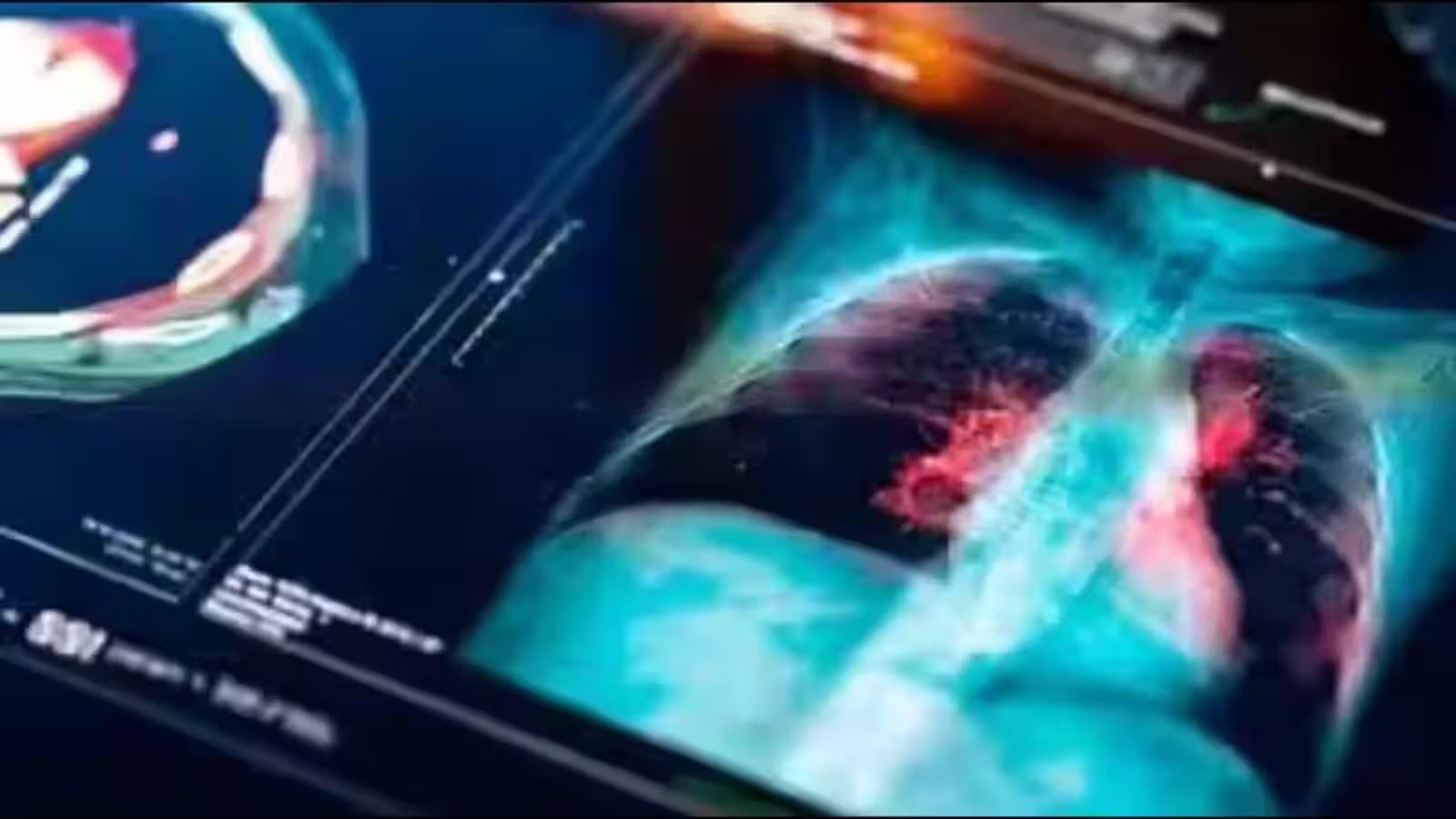
  • Lung cancer is India's leading cause of cancer deaths, accounting for 10.9% (98,687 deaths) in 2024, up from 75,031 deaths in 2022.
  • New lung cancer cases increased from to , rising from fourth to third in incidence.
81,748 (5.8%) in 2022
112,000 (7.2%) in 2024
  • Survival Rates: 93% of cases are diagnosed in advanced stages; 5-year survival rates are only 7% to 18% when diagnosed late, increasing to 80% if detected in the first stage.
  • Screening Challenges

    • Lung cancer screening is largely absent in India's health programs, which primarily screen for breast, oral, and cervical cancers.
    • The current screening methods for more common cancers are low-tech and inexpensive, while Low-Dose Computed Tomography (LDCT) screenings for lung cancer are costly.

    Government Schemes & Recommendations

    • The Indian Council of Medical Research (ICMR) notes that although LDCT is the costliest, it provides significant net monetary benefits and should be considered in national cancer screening programs.
    • Institutional efforts need to incorporate lung cancer screening strategies, especially using LDCT.

    Criteria for Screening & Population Risk

    • Current global screening guidelines primarily focus on smokers aged 50-80, leaving many at-risk individuals (including non-smokers and beedi smokers) unaccounted for.
    • Advocates suggest expanding the high-risk category to include:
      • Individuals with a history of bidi smoking.
      • Those exposed to secondhand smoke, biomass fuel, and air pollution.

    Environmental Factors

    • Ambient air pollution is identified as an emerging risk factor.
    • Studies indicate LDCT remains effective in TB-endemic populations, with no significant issues related to false positives due to tuberculosis.

    Scientific Studies & Recommendations

    • The Indian Lung Screening Trial (ILST) and AIRCARE are generating evidence on the effectiveness and risks associated with lung cancer screening in India.
    • Dr. Abhishek Shankar emphasizes the integration of smoking cessation into screening and treatment programs to improve outcomes.

    Suggested Public Health Interventions

    • Public health messaging should be revised to become more actionable; for example, inform smokers over 60 years old to get screened, rather than simply warning them about smoking risks.

    Conclusion

    The increasing prevalence and mortality associated with lung cancer in India necessitate a critical assessment of screening protocols and public health strategies. With targeted screening and an integrated approach including smoking cessation efforts, there is potential to significantly reduce lung cancer incidences and improve survival rates.

    World War II's Impact on Asia Today
    International Relations30-Sep-2026

    World War II's Impact on Asia Today

    Summary Notes on the Impact of World War II on Contemporary Global Politics

    Historical Context

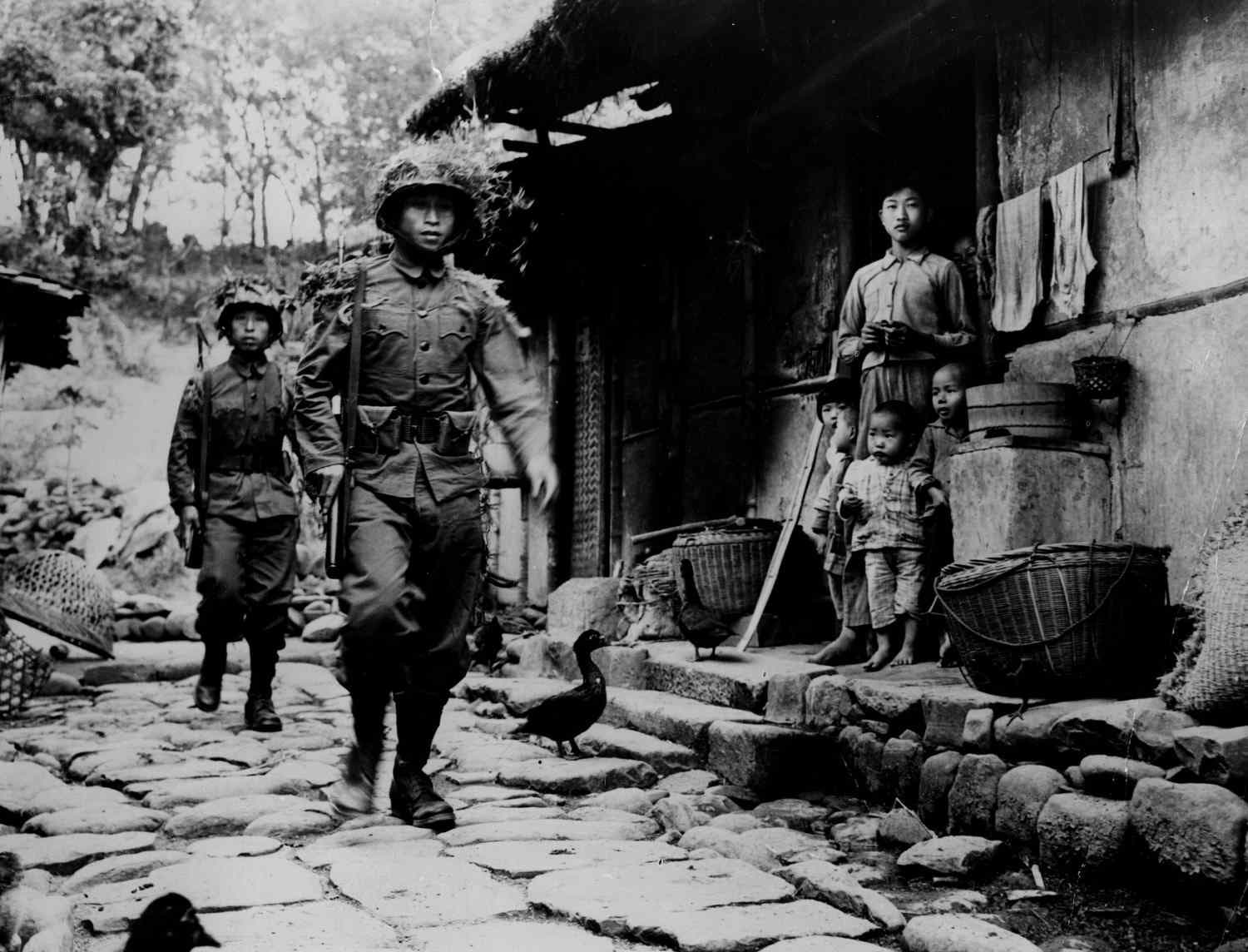
    • World War II: Significant contributions from India with approximately 2.3 million Indians in armed forces and 14 million in war production.
    • India played a crucial role against Imperial Japan in Southeast Asia, yet its contributions are largely overlooked in historical discourse.

    Key Political Dynamics

    • Recent meeting between US President Donald Trump and Chinese President Xi Jinping reaffirmed the US-China alliance during WWII, framing both as victorious allies.
    • Xi Jinping's narrative: China presents itself as a victor of the war, utilizing historical memory to challenge Japan and promoting a shift in power dynamics with the US.
    • Japan's positioning: As a former adversary, Japan is currently faced with rising tensions and military disparities due to China's assertive policies. Prime Minister Sanae Takaichi sought reassurance from Trump amid concerns over Japan’s defense and military strategy.

    International Relations

    • US-Japan Alliance: Central to the post-war order established by the 1951 San Francisco Peace Treaty, still influential in Asian geopolitics.
    • Beijing’s reinterpretation of wartime history aims to undermine US-Japan relations and reshape regional narratives.

    India's Positioning

    • India’s absence in the current discourse raises concerns. External Affairs Minister, Subrahmanyam Jaishankar highlighted India's sacrifices in foreign ministers' meetings, labeling the lack of recognition an historical injustice.
    • India’s historical response to WWII was divided, with opposition to British involvement (Congress), shifting support from Communists, and Subhas Chandra Bose’s search for aid from Axis powers for independence.

    Constitutional Relevance

    • Importance of acknowledging the contributions of Indian soldiers to the war in terms of self-identity and positioning in global governance.
    • Post-war marginalization has deep roots in India's fragmented national movement responses to WWII, affecting India's contemporary foreign policy discussions.

    Modern Implications

    • The historical neglect influences India’s current foreign policy discourse, leading to reliance on abstract concepts rather than historical context.
    • Importance of integrating a thoughtful understanding of WWII's legacy into India’s international relations strategy to enhance its role in global governance.

    Conclusions

    • Reflecting on the historical narratives of WWII is essential not just for understanding current international dynamics but also for reshaping India's strategic posture and acknowledgment of its historical contributions to global peace and stability.
    Excavations Reveal Insights on Poompuhar
    History26-Sep-2026

    Excavations Reveal Insights on Poompuhar

    Poompuhar Underwater Excavations – Key Highlights

    1. Archaeological Findings:

      • Recent underwater excavations by Tamil Nadu State Department of Archaeology (TNSDA) and Indian Maritime University at Poompuhar revealed significant artifacts:
        • A West Asian “torpedo jar” fragment (diameter: 30-35 cm) for transporting liquid cargo (wine, olive oil).
        • More than 250 ceramic fragments and terracotta ring wells.
    2. Historical Significance:

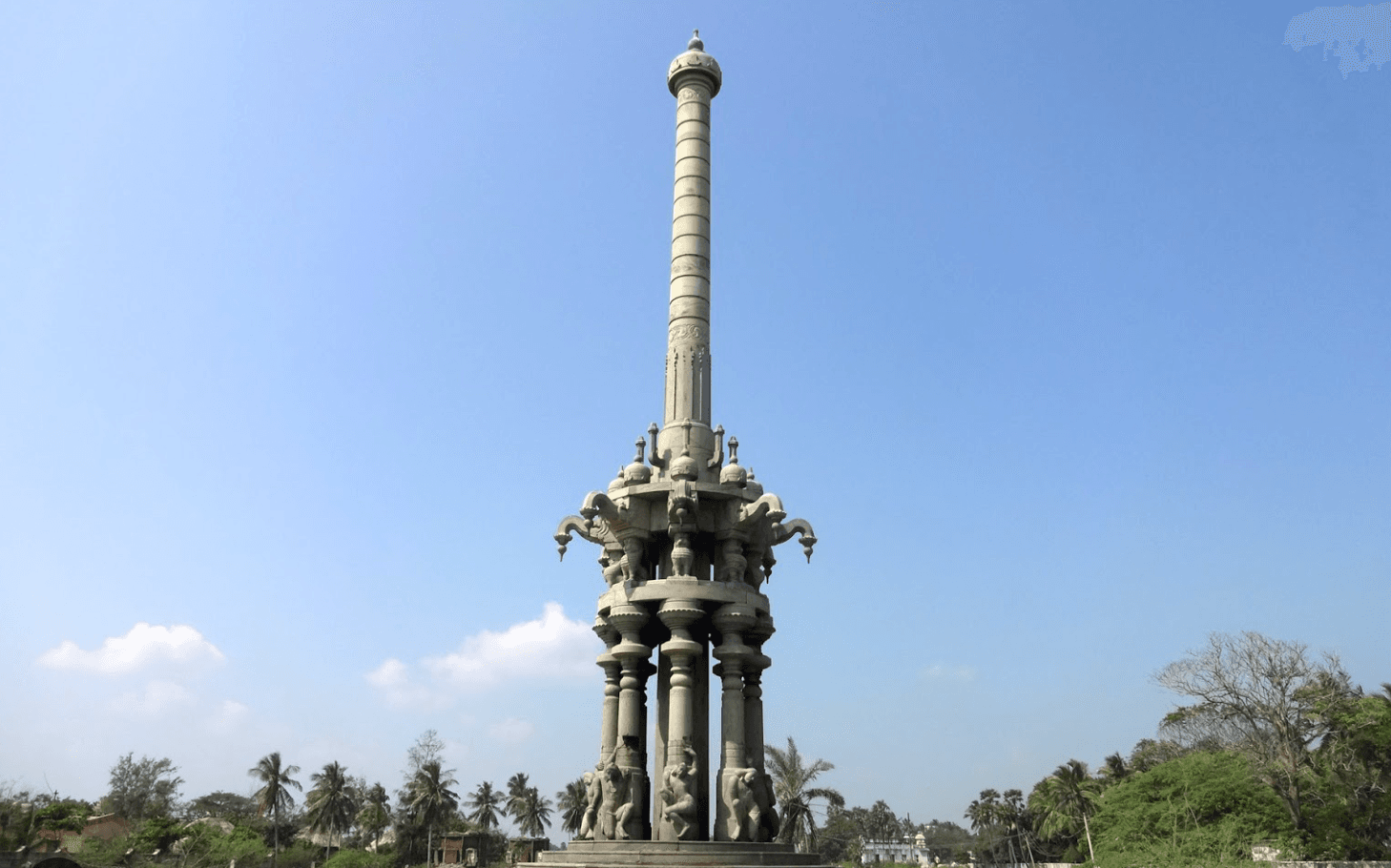
      • Poompuhar (ancient Kaveripoompattinam) served as a vital port city during the Chola dynasty, located at the mouth of the Cauvery River, key to Indian Ocean trade.
      • Evidence suggests settlements existed from 5th-4th century BCE.
      • The city was divided into three major divisions: Maruvurppakkam, Pattinappakkam, and Nalangadi.
    3. Trade and Commerce:

      • Poompuhar was a hub for maritime commerce, with exports stamped with a tiger symbol, indicating Chola origin.
      • Commodities traded included goods from the Ganges, food products from Sri Lanka (Ceylon), and spices from Java.
      • Ships from regions like Tamralipti (West Bengal) and Palur (Orissa) frequented the port, connecting it to Southeast Asia, Arabia, and Rome.
    4. Archaeological Context:

      • The excavation provided insight into the ancient trade networks, with findings supporting historical accounts from previous research, illustrating bustling trade activity in the city.
      • Ancillary findings include brick structures, storage jars, and megalithic pottery, suggesting the presence of public buildings and reservoirs from the Sangam period.
      • The discovery of ring wells on the seabed may indicate subsurface channels that were submerged due to erosion and rising sea levels.
    5. Geological and Environmental Impacts:

      • Speculation surrounds the submergence of Poompuhar, possibly due to catastrophic flooding or a tsunami around the 4th or 5th century CE.
      • Scholars diverge on whether the city was entirely submerged or partially rebuilt after flooding, with evidence supporting potential coastal erosion directly impacting the city’s geography.
    6. Cultural References:

      • Poompuhar holds a prominent place in Sangam and post-Sangam literature, reflecting its historical and cultural importance in Tamil Nadu’s heritage.
      • Local legends recount the city's demise linked to traditional beliefs and festivals, epitomizing the interplay between myth and history.

    These findings not only enrich the understanding of Tamil Nadu's historical maritime connections but also highlight significant contributions to the economic and trade dynamics of ancient India. The ongoing research underscores the importance of archaeological efforts in uncovering the region's rich historical landscape.