iAspirants
History of Nathamunigal and Temples
Published on:
Share this post
Article Summary
Exam-Focused Notes on Temples and Nathamunigal
Historical Significance
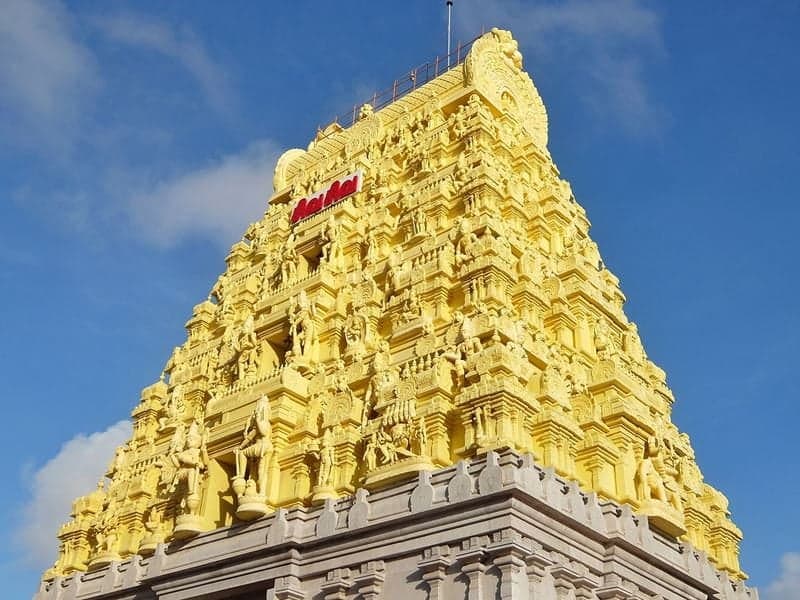
- Ulagalantha Cholagam: Historical site located near Gangaikonda Cholapuram, housing two significant temples.
- Thiruvarasu: Memorial of Nathamunigal, prominent in the Vaishnavite tradition, who recovered the Nalayira Divya Prabandham (4,000 hymns).
- Nathamunigal: Lived from 823 to 916 AD, actively involved in Vaishnavite literature, particularly known for standardizing temple worship and organizing festivals like Raapathu and Pagalpathu.
Key Figures and Texts
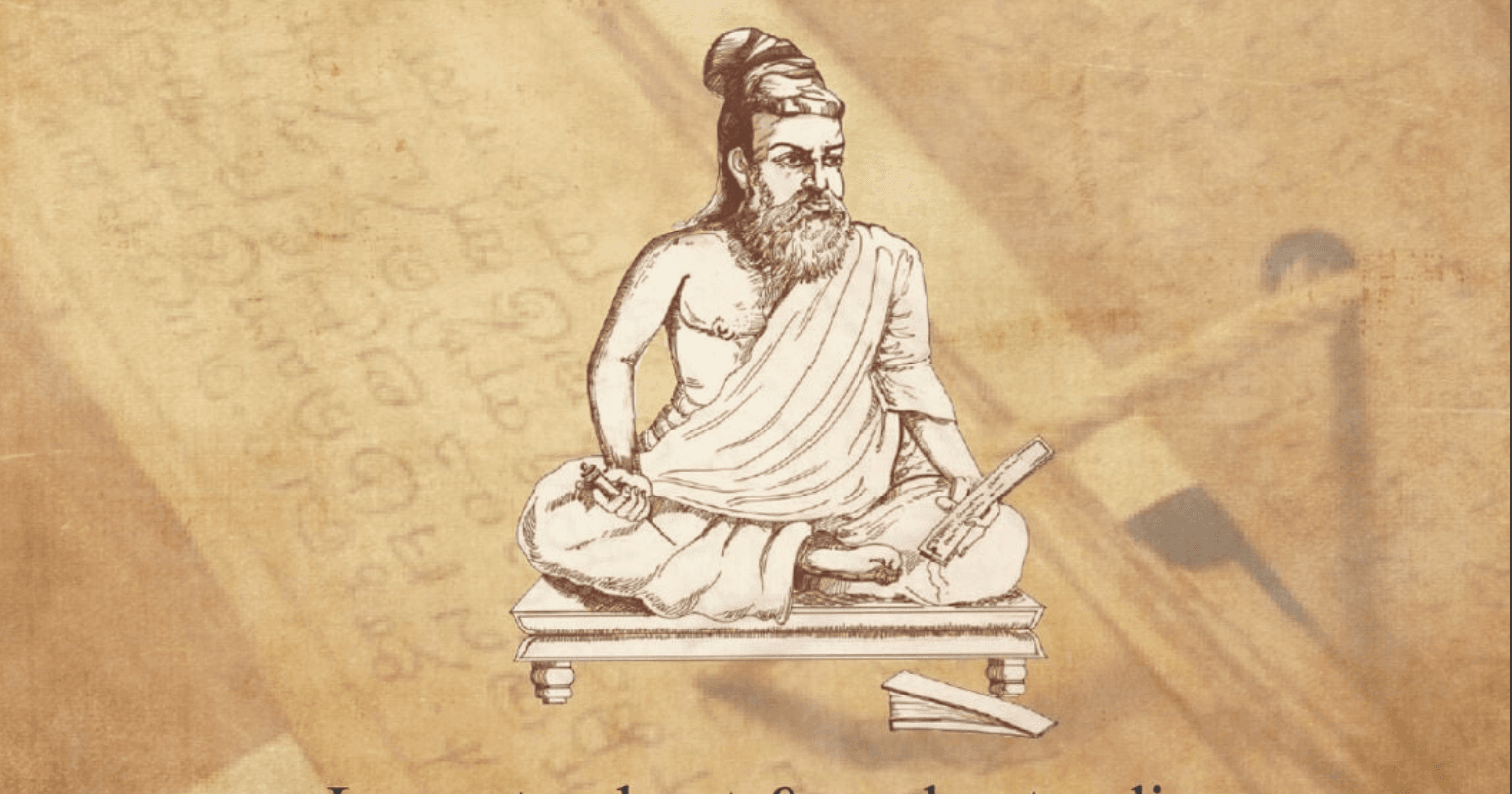
- Nathamunigal: Credited as the first Acharya of Vaishnavism, depicted holding ‘thalams’ (musical instruments).
- T. A. Gopinatha Rao: Historian who documented Nathamunigal’s connection to Gangaikonda Cholapuram.
- D. Gnanasundaram: Author providing insights into Nathamunigal’s life and the discovery of hymns.
Archaeological Findings
- Excavation on the site revealed:
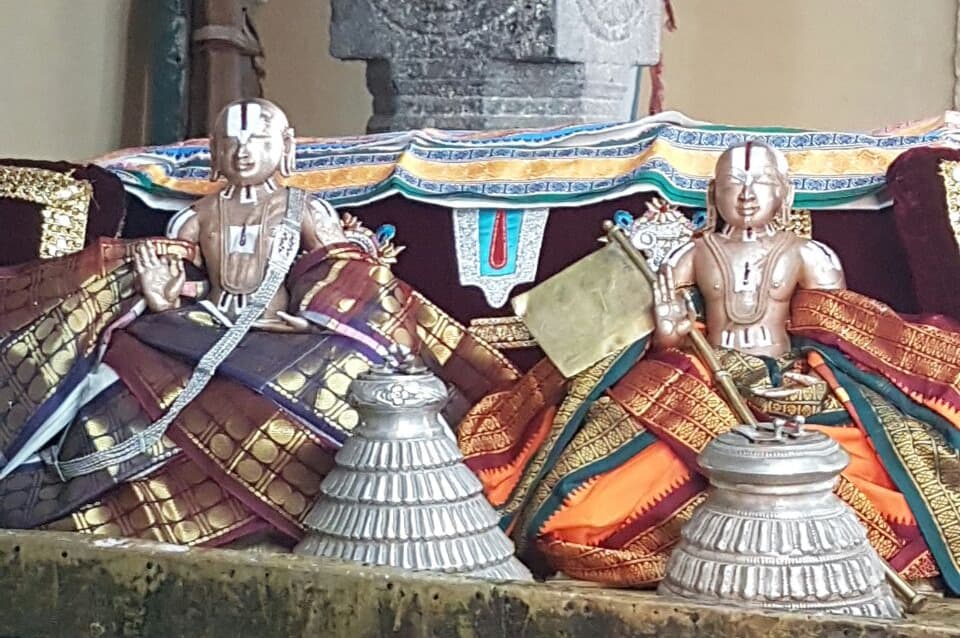
- An idol of Srinivasa Perumal (with consorts).
- Remnants of older structures, confirming the existence of temples.
- A second idol of Nathamunigal was found, indicating the site’s historical worship significance.
Cultural Context
- Guruparampara: Traditional narrative accepted by Vaishnavites detailing Nathamunigal’s spiritual journey and hymn recitation.
- Kalki Krishnamurthy: Provided a fictional account in his historical novel "Ponniyin Selvan”.
Documentation and Literary Contributions
- Nathamunigal's contributions include:
- Recovering all 4,000 pasurams (hymns) from various sources.
- His work led to the formation of the Dravida Veda.
- Standardized worship practices in Vaishnavite temples.
Conclusion
Nathamunigal's legacy is integral to the cultural and religious landscape of Vaishnavism, with significant documentation from historians emphasizing his historical importance and contributions to music and literature. The temples serve not only as religious hubs but also as cultural heritage sites reflecting the rich history of the region.
Key Terms & Concepts
| Vaishnavism | Religious tradition of Nathamunigal |
| Nalayira Divya Prabandham | Collection of 4,000 hymns |
| Gangaikonda Cholapuram | Historical location for temples |
| Rajendra Chola I | Chola king who built the temple |
| T. A. Gopinatha Rao | Historian documenting Nathamunigal |
| Kumbakonam | City associated with Nathamunigal |
| Madhurakavi Alwar | Predecessor of Nathamunigal |
| Thiruvarasu | Memorial of Nathamunigal |
| Alwarthirunagari | Location of significant meeting |
| Kanninun Siruthambu | Work recited by Nathamunigal |
| Raapathu | Festival organized by Nathamunigal |
| Pagalpathu | Festival organized by Nathamunigal |