iAspirants
HIV Resistance and Treatment Advances
Published on:
Share this post
Article Summary
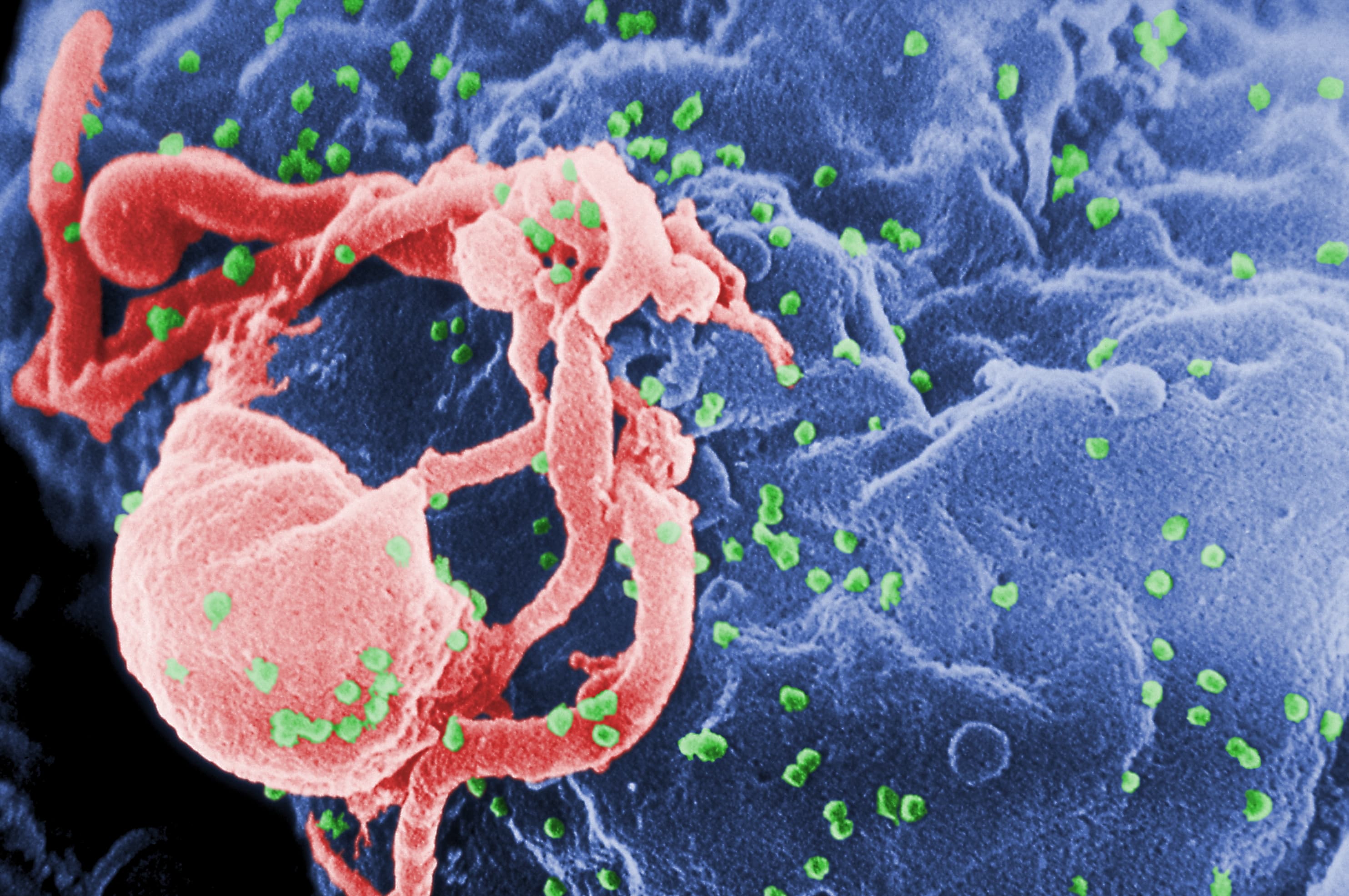
Discovery of HIV: On May 20, 1983, French virologists Françoise Barré-Sinoussi and Luc Montagnier isolated the human immunodeficiency virus (HIV) from a patient at risk of developing AIDS. This discovery was pivotal in understanding the virus responsible for AIDS.
Characteristics of HIV:
- Type: HIV is a retrovirus that integrates its RNA into the DNA of host cells, making its eradication challenging.
- Viral Latency: HIV can enter a dormant state (latency), allowing it to persist undetected by the immune system, which complicates treatment efforts.
Treatment and Management:
- Antiretroviral therapy currently allows HIV-positive individuals to manage their condition, turning it from a fatal disease into a chronic illness. However, this requires lifelong adherence and comes with side effects and the risk of drug resistance.
- As of now, only a few individuals have been reported "cured" through risky bone marrow transplants aimed at treating leukemia.
Global AIDS Statistics:
- Approximately 91.4 million individuals have ever been infected with HIV.
- Recent public health efforts have increased accessibility to treatment, improving the health outcomes for many.
Current Research and Challenges:
- No vaccine has been successfully developed for HIV despite extensive research over four decades.
- HIV's ability to mutate rapidly, combined with its integration into host DNA, complicates vaccine development and eradication efforts.
Preventive Measures:
- Public health campaigns promoting education and testing have led to increased awareness and early diagnosis, contributing to a rise in treatment coverage.
- Use of antiretroviral therapy significantly reduces viral loads, minimizing transmission risks.
International Response:
- There is an ongoing global effort to reduce the incidence of new HIV infections, with positive trends observed in many regions.
- Collaborative initiatives aim to curb the impacts of the HIV/AIDS pandemic.
Future Outlook:
- While challenges remain, there is cautious optimism that improvements in awareness, prevention, and treatment can lead towards controlling and possibly eradicating HIV as a public health threat.
This summary highlights the significant developments in the understanding and management of HIV, with an emphasis on scientific discoveries, treatment challenges, public health initiatives, and the ongoing battle against the virus.
Key Terms & Concepts
| HIV | Devastating human pathogen |
| Institut Pasteur | Research institute leading study |
| antiretroviral therapy | Primary treatment for HIV |
| 91.4 million | Total estimated HIV infections |
| May 20, 1983 | Date of initial HIV isolation |
| bone-marrow transplants | Only rare curing method |
| viral latency | HIV's dormant state |
| global public-health efforts | Transforming response to HIV |
| infection incidence | Declining in many regions |