iAspirants
Houthis Blockade Threatens Regional Stability
Published on:
Share this post
Article Summary
Conflict Dynamics: The Houthis (Ansar Allah), aligned with Iran, have escalated their involvement in the Yemen conflict by imposing a blockade on Saudi Arabia following the breakdown of a ceasefire. The ceasefire was in place despite the Houthis controlling significant population centers including the capital, Sana’a.
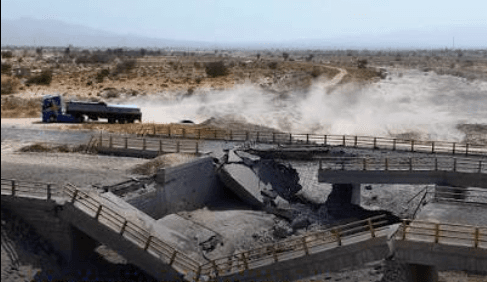
Key Date: July 13, 2026, marked a turning point when the airport in Sana’a was attacked, leading to the Houthi blockade announcement on July 20.
Military Control: The Houthis command most of Yemen's coastline along the Red Sea, particularly overlooking the strategic Bab-el-Mandeb Strait, crucial for maritime trade and oil exports.
Economic Implications: Saudi Arabia had increasingly relied on Red Sea routes for crude exports, particularly through Yanbu. A Houthi blockade threatens deep economic disruption to Riyadh, particularly with existing constraints on exports via the Strait of Hormuz due to Iran’s actions.
Historical Context: The blockade comes as part of ongoing hostilities, with Iran reportedly targeting Kuwaiti infrastructure (desalination plants and power grid) in retaliation for U.S. strikes against Iranian civilian infrastructure, indicating a broadening of the conflict.
International Relations and Military Presence: The conflict now extends to include Jordan, which hosts significant U.S. military operations. Tensions between the U.S., Iran, and their respective allies pose risks of wider regional instability, especially with continued escalations.
U.S. Policy and Strategy: Former President Trump previously signed a memorandum with Iran aimed at reducing tensions but has since escalated the conflict over control of maritime routes. This pattern raises concerns about the U.S. potentially entering a protracted military engagement in the region without clear outcomes.
Economic Stressors: The blockade potentially exacerbates the economic strain on Saudi Arabia and wider Gulf states, which already faced challenges due to prior disruptions in oil exports.
Call for Diplomacy: The statement advocates for a change in U.S. military strategy towards Iran, underscoring the need for diplomatic engagement rather than continued armed conflict, positing that a ceasefire could alleviate some of the ongoing suffering engendered by the protracted conflict.
This summary captures the critical elements of the evolving conflict involving Yemen's Houthis, Saudi Arabia, and Iran, highlighting military, economic, and diplomatic dimensions relevant to international relations.
Key Terms & Concepts
| Houthis | Impose blockade on Saudi ports |
| Saudi Arabia | Major oil exporter affected |
| Iran | Ally of Houthis, involved in regional conflict |
| Bab-el-Mandeb Strait | Chokepoint for maritime trade |
| East-West Pipeline | Links eastern oilfields to Red Sea |
| U.S. military bases in Jordan | Strategic military presence |
| June 17 memorandum | Diplomatic agreement with Iran |
| July 13 | Date of ceasefire collapse |
| July 20 | Date of blockade announcement |
| Kuwait’s desalination plants | Targeted by Iranian attacks |
| Strait of Hormuz | Vital passage for oil exports |
| Sana’a | Capital of Yemen, controlled by Houthis |