iAspirants
Human Dignity and the Constitution
Published on:
Share this post

Article Summary
Summary of the Article on Human Dignity and the Constitution
On September 3, 2025, Chief Justice of India B.R. Gavai delivered a keynote address at the 11th Dr. L.M. Singhvi Memorial Lecture, emphasizing the concept of human dignity as the “soul of the Constitution.” His discourse underscored the critical role that human dignity plays in underpinning essential constitutional values such as personal liberty, equality, and fraternity.
Key Points:
Human Dignity as Core Constitutional Value: Chief Justice Gavai described human dignity as essential not just as a legal concept, but as a binding value that connects various aspects of individual rights and social justice.
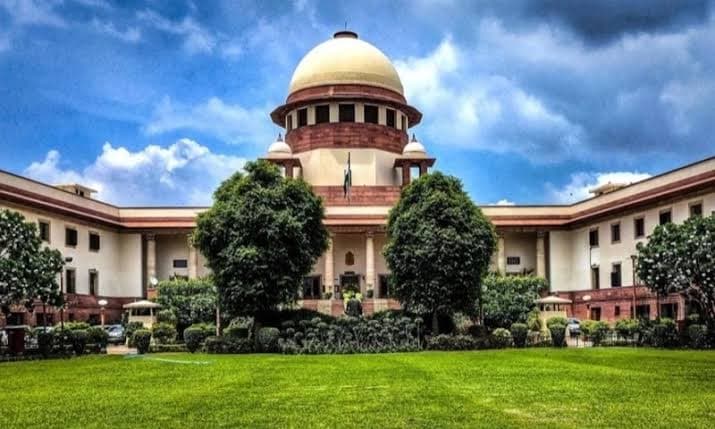
Supreme Court's Role: He highlighted the Supreme Court's historical commitment to protecting human dignity through various judgments aimed at improving the living conditions of marginalized groups, including women, prisoners, workers, persons with disabilities, and minorities.
Living Instrument of Constitution: The Chief Justice emphasized that the Supreme Court’s interpretations of dignity ensure that the Constitution adapts to changing societal dynamics while adhering to its original values.
Judicial Interventions: The court has declared human dignity as an inviolable constitutional value, stating that it is essential even in circumstances of incarceration, thus advocating not only for basic human survival but also for broader socio-economic empowerment.
Autonomy and Decision-Making: Human dignity is intrinsically linked to personal autonomy and self-determination, allowing individuals the freedom to make choices about their lives.
Foundational Principle: Gavai stressed that respect for human dignity is foundational to social cohesion and a harmonious society. This respect fosters belonging and solidarity, which are vital for national unity.
Constitutional Genesis: He reflected on the framers of the Constitution, notably Dr. B.R. Ambedkar, asserting that the notion of dignity was central to their vision for a just, egalitarian society.
Expanding Definition of Dignity: Though not explicitly defined within the Fundamental Rights of the Constitution, the Chief Justice indicated that the Supreme Court has broadened the understanding of dignity to signify the respect owed to every individual simply by virtue of being human.
Civic Implications: Chief Justice Gavai remarked that acknowledging and safeguarding the dignity of all citizens is crucial for maintaining a cohesive and integrated society.
Concluding Remarks:
The address not only reaffirmed the significance of human dignity in constitutional law but also illustrated the ongoing responsibility of the judiciary in maintaining its relevance in contemporary society. This perspective aligns with the principles of justice and equality deeply rooted in the Indian Constitution.
Audience and Context:
- The event included notable attendees such as Lok Sabha Speaker Om Birla, MP Abhishek Singhvi, and O.P. Jindal University Vice-Chancellor C. Raj Kumar, along with former and current judges, senior advocates, and parliamentarians, highlighting the event's importance within India's legal and political discourse.
Overall, the address served as a timely reminder of the necessity of upholding human dignity as a cornerstone for justice and societal welfare in India.
Key Terms & Concepts
| Supreme Court | Championing dignity rights |
| Constitution | Legal framework for rights |
| Dr. L.M. Singhvi Memorial Lecture | Event discussing human dignity |
| Dr. B.R. Ambedkar | Visionary behind Constitution |
| Lok Sabha | Legislative body in India |