iAspirants
Hydroelectric Projects Impact in Ganga
Published on:
Share this post
Article Summary
Summary of Key Points on Hydroelectric Projects on the Ganga River
Constitutional and Legal Framework
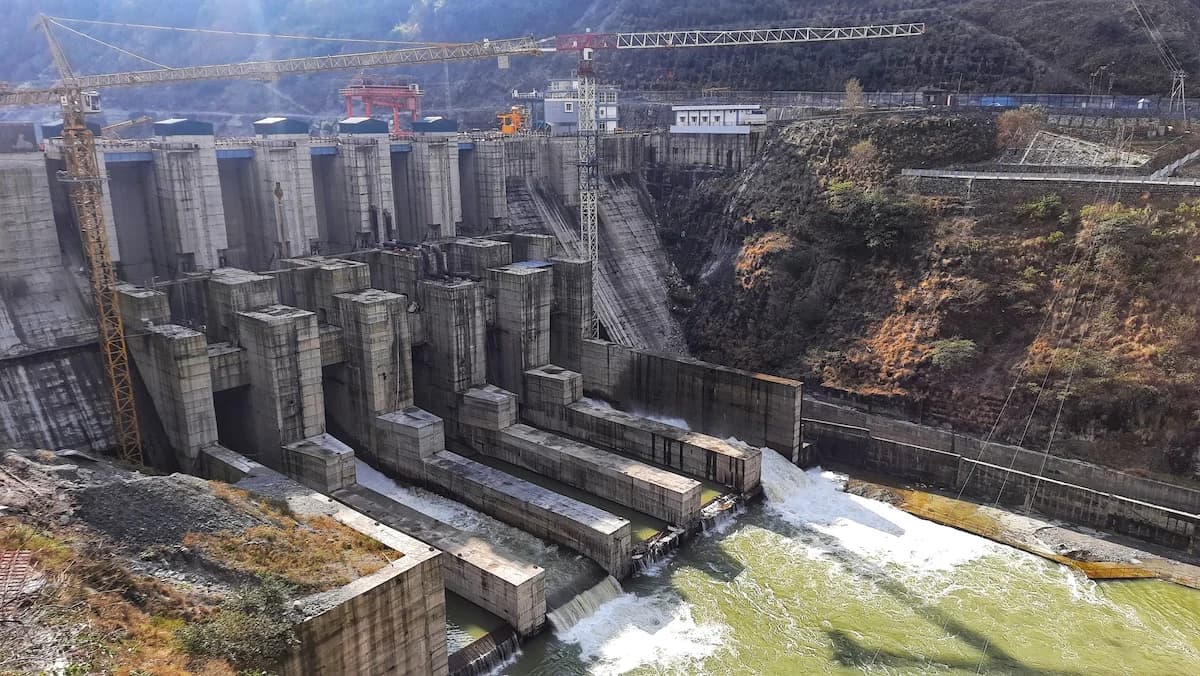
- The Supreme Court (SC) of India ordered reviews of hydroelectric projects (HEPs) in Uttarakhand following the 2013 Kedarnath disaster, underlining concerns for environmental and ecological impacts.
Judicial Rulings
- In 2013, the SC mandated scrutiny of existing and proposed HEPs, resulting in a freeze of environmental and forest clearances.
- A directive from the SC in 2015 led to the formation of Expert Body-II (EB-II) tasked with assessing cumulative impact and carrying capacity for HEP development.
Expert Findings
- Expert Body-I (EB-I) concluded that 23 of 24 proposed projects would harm biodiversity.
- Expert Body-II studied 70 HEPs, recommending 28 for implementation but faced ongoing conflicts with varying endorsements from ministries (Ministry of Environment, Ministry of Jal Shakti, Ministry of Power).
Government Policies and Submissions
- The Union Government has recently expressed its consolidated stance against new HEPs on the Alaknanda and Bhagirathi Rivers, highlighting the region's ecological sensitivity.
- A committee led by Cabinet Secretary T V Somanathan reviewed EB-II recommendations, ultimately proposing only five projects: Bowala Nandprayag, Devsari, Bhyundar Ganga, Jhalakoti, and Urgam-II.
Environmental Considerations
- The region is recognized for its unique biodiversity and includes protected areas like Nanda Devi National Park and Gangotri National Park.
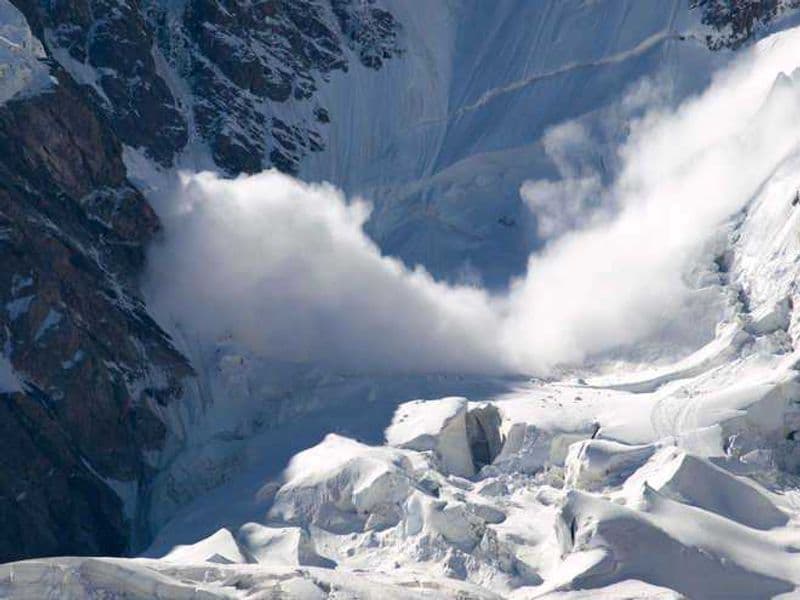
- Concerns regarding glacial lake outburst floods (GLOFs) were underscored, especially in light of the devastating 2023 Sikkim GLOF incident, which informed the risk assessments of new projects.
Recent Natural Disasters and Impacts
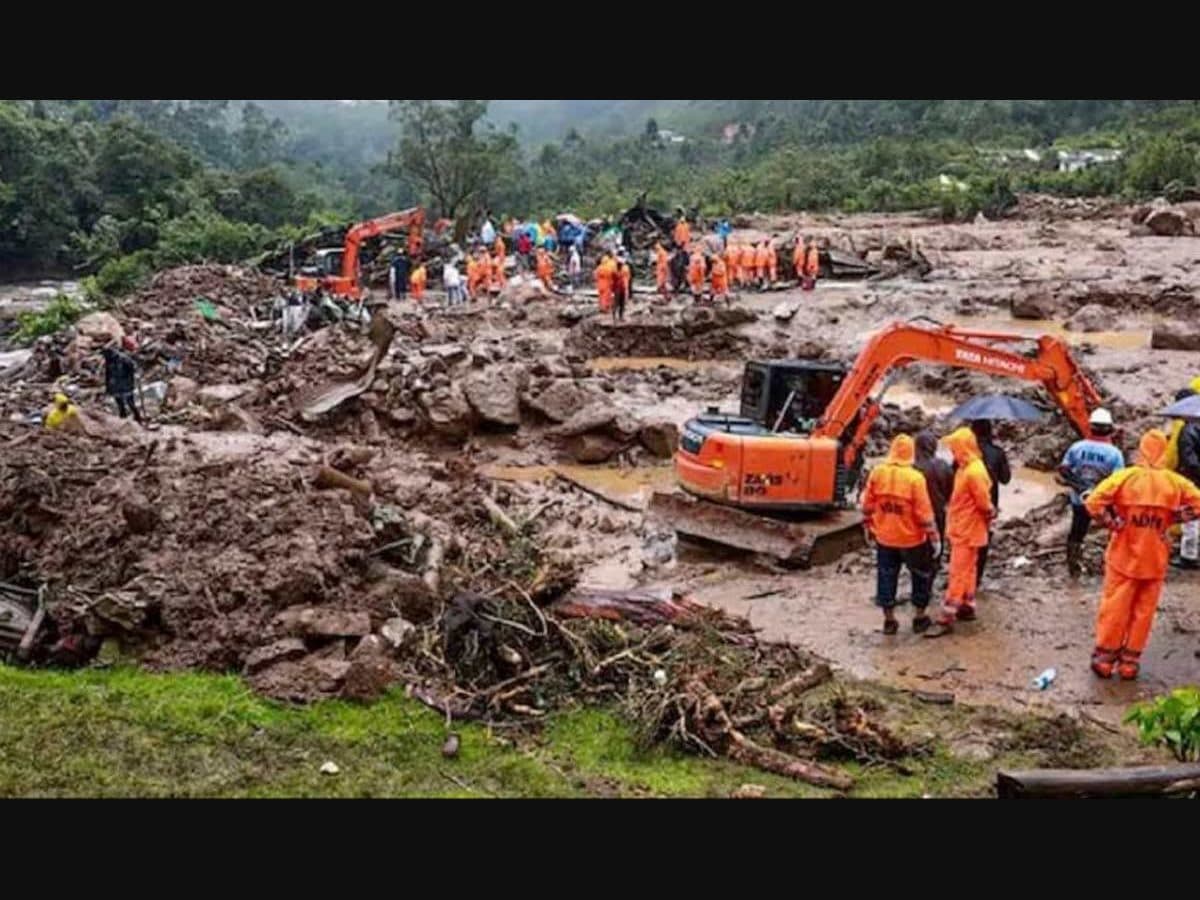
- Disasters such as the 2021 Rishi Ganga floods and ongoing land subsidence in Joshimath were cited as evidence of the region's vulnerability, reinforcing arguments against new hydro dam constructions.
Financial and Developmental Aspects
- The Centre previously filed a consensus submission in 2021 that allowed seven projects, deemed critical due to substantial physical construction and advanced financial investments. Ongoing legal challenges from project developers persist.
International and National Importance
- The situation reflects a broader conflict between economic development and environmental preservation in ecologically fragile areas, relevant in the context of international climate agreements and sustainable development goals.
Conclusion
- The government’s decision to halt new hydroelectric projects stems from a thorough evaluation of environmental risks, legal pressures, and disasters, balancing economic, ecological, and social interests crucial for the sensitive Himalayan ecosystem.
Key Terms & Concepts
| Ganga River | Headwater stream of rivers |
| 2013 Kedarnath disaster | Triggered scrutiny of projects |
| Supreme Court | Regulatory authority in case |
| Expert body I | Reviewed HEP impacts |
| Expert body II | Assessed cumulative impacts |
| Nanda Devi National Park | Protected biodiversity area |
| Valley of Flowers National Park | Protected biodiversity area |
| Gangotri National Park | Protected biodiversity area |
| Kedarnath Wildlife Sanctuary | Protected biodiversity area |
| Bhagirathi Eco-Sensitive Zone | Protected ecological zone |
| Glacial Lake Outburst Floods (GLOFs) | Threat to hydropower projects |
| 2021 Rishi Ganga floods | Evidence of region’s vulnerability |