iAspirants
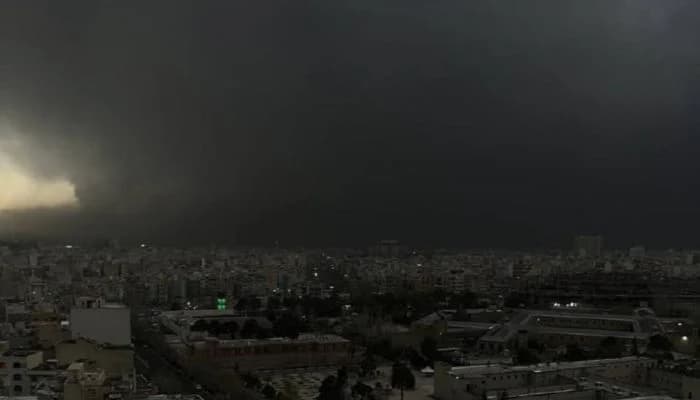
Impact of Black Rain in Tehran
Published on:
Share this post
Article Summary
Summary of Key Information
Environmental Impact in Tehran
- Event: Israeli airstrikes on March 7-8 targeted four oil facilities in Tehran and Alborz Province, resulting in black rain due to toxic pollutants released into the atmosphere.
- Affected Areas: Oil storage sites included the Aghdasieh oil warehouse, Shahran oil depot, and Tehran refinery.
- Black Rain: Resulted from a combination of rain and suspended pollutants in the atmosphere, leading to oily, soot-laden precipitation affecting hundreds of miles from the sources.
Health Risks Identified
- World Health Organization (WHO) Warning: Confirmed that black and acidic rain pose serious health risks, threatening respiratory health, skin irritation, headaches, and increased cancer risk from prolonged exposure to toxic compounds like hydrocarbons and benzene.
- Recommendations: Advisories were issued urging residents to remain indoors due to health risks from inhaling or coming into contact with harmful rainwater.
Environmental Data and Observations
- Pollution Levels: Residents reported unprecedented pollution conditions, with noticeable smog and a toxic smell lingering in the air following the events.
- Reports on Incidents: The Conflict and Environment Observatory tracked over 232 environmental risk incidents linked to the ongoing conflict.
Long-term Consequences
- Persistent Contaminants: Concerns are raised about “forever chemicals” from fire retardants potentially contaminating groundwater and air quality, perpetuating the environmental crisis.
- Structural Damage: Acid rain can accelerate the deterioration of buildings already compromised by poor air quality.
Societal Impact
- Resident Accounts: Personal experiences reflect the discomfort and health implications of the black rain, with residents reporting persistent headaches, skin irritation, and overwhelming oil smells in affected areas.
Context of Conflict
- Geopolitical Background: The airstrikes are part of ongoing tensions between Iran and Israel, with significant humanitarian and environmental repercussions stemming from military conflicts.
References to International Policy
- Although no direct constitutional references or international treaties are mentioned, the WHO's engagement emphasizes global health oversight in environmental disasters influenced by military actions.
This summary provides an overview concentrating on the environmental, health, and societal impacts stemming from the airstrikes in Tehran, emphasizing the urgent need for global attention to the consequences of military actions on civilian health and the environment.
Key Terms & Concepts
| Black Rain | Environment contamination phenomenon |
| WHO | Health organization warning |
| March 7-8 | Dates of Israeli strikes |
| Tehran | Affected urban area |
| Hydrocarbons | Toxic compounds released |
| Sulfur and Nitrogen Oxides | Air pollutants from explosions |
| Conflict and Environment Observatory | Reported environmental incidents |
| Forever Chemicals | Potential groundwater contaminants |
| 1954 Geneva Convention | International law on environmental protection |
| 232 | Number of tracked environmental incidents |
| Acid Rain | Risk from environmental contamination |