iAspirants
Impact of Climate Change on Colors
Published on:
Share this post
Article Summary
Summary of Key Points:
Climate Change and Ecological Discoloration
- Over the past 20 years, more than half of the world's oceans have become greener due to climate change, while forests are prematurely turning brown.
- Flora and fauna are adapting by changing colors influenced by rising temperatures, habitat loss, and pollution.
Scientific Findings and Research
- Biodiversity and Conservation Study: Deforestation in the Amazon is leading butterflies to lose vibrant colors. Those in disturbed areas show reduced wing color diversity. Bright butterflies are less common in deforested areas due to better camouflage aiding predator evasion.
- Historical Context: The situation parallels the Industrial Revolution's effects on species like the peppered moth, which adapted to pollution-induced darkness.
- Ecology and Evolution Study (2024): Insects (e.g., ladybirds, dragonflies) in the temperate northern hemisphere are observed to be turning lighter as a thermoregulation strategy to avoid overheating during frequent heatwaves.
Rules of Color Adaptation
- Bogert’s Rule: Cold-blooded animals tend to be darker in colder regions and lighter in warmer conditions.
- Gloger’s Rule: Warm-blooded creatures are darker in high humidity areas and lighter in drier, colder climates.
Urban Impact on Species
- A 2024 study on 547 bird species in China indicated urban species are darker and less colorful compared to birds in rural settings, potentially linked to pollution (heavy metals like lead affecting melanin).
Impact on Flora
- Urban plants are producing less carotenoids, which contribute to red, yellow, and orange hues. Changes in pigments can affect pollination, leading to reduced attraction to pollinators.
Coral Bleaching
- In February 2025, reports indicated coral bleaching in regions such as the Gulf of Mannar and Andaman Islands. Bleached corals expel symbiotic algae, leading to starvation and disease among corals, disrupting marine biodiversity.
- Algal blooms are making oceans greener and can reduce oxygen levels, harming marine life.
Economic and Ecological Implications
- Coral ecosystems are compared to underwater forests, critical for many marine organisms. Loss or degradation of these ecosystems due to climate change has significant implications for marine biodiversity.
- Urgent action is necessary to mitigate color changes, with an emphasis on preserving microhabitats and improving water quality to combat issues like coral bleaching.
Intervention Strategies
- Experts advocate for strategic field- and lab-based monitoring to guide interventions. Natural regeneration of forest areas positively affects butterfly colors.
- In India, addressing coastal development and enhancing water quality are key measures for minimizing coral bleaching.
Knowledge Gaps and Research Needs
- There is a significant lack of studies in the southern hemisphere and tropical regions, indicating the need for comprehensive geographic surveys to ascertain current trends and aid conservation efforts.
Conclusion
Efforts to combat climate change must include strategies to minimize ecological discoloration, enhancing conservation initiatives, and bolstering biodiversity in response to ongoing environmental changes.
Key Terms & Concepts
| Biodiversity and Conservation | Published study on color changes |
| Amazon Rainforest | Area affected by deforestation |
| Ecology and Evolution | Published study on insects |
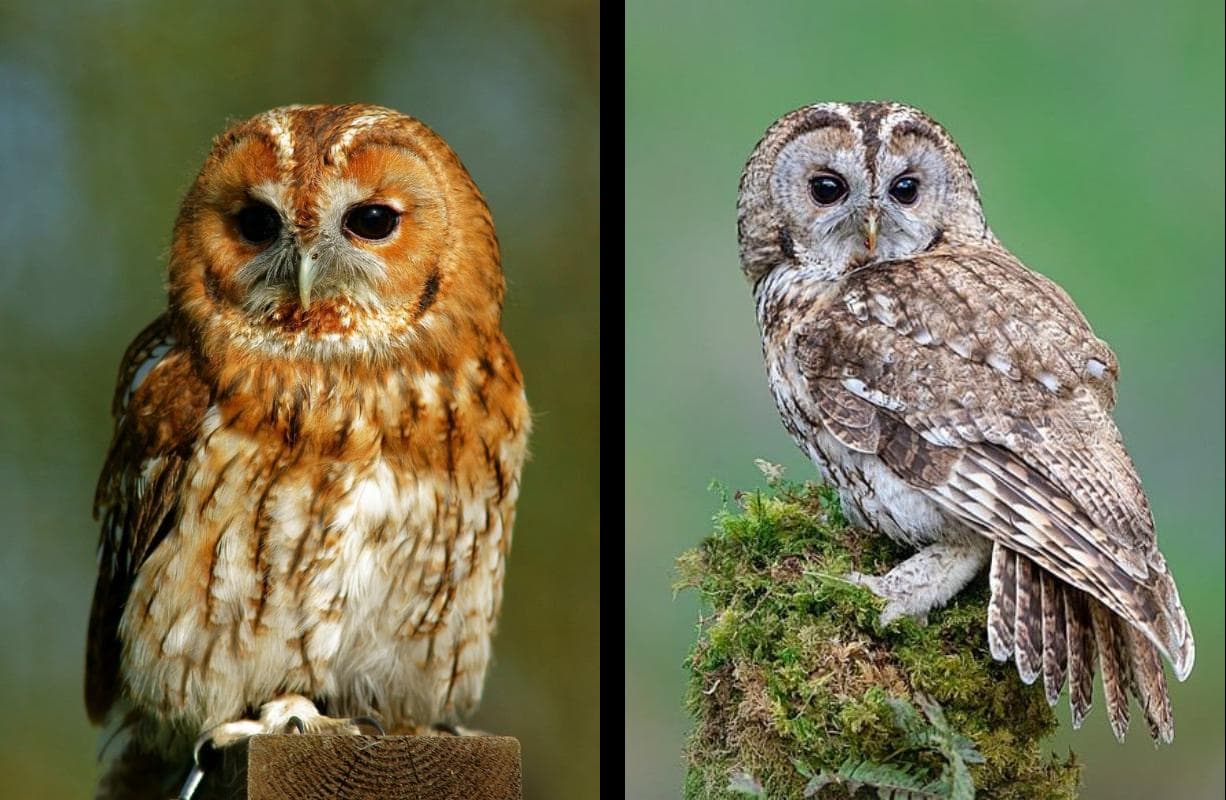
| Molecular Ecology | Study on tawny owl color change |
| Bogert’s rule | Color adaptation theory |
| Gloger’s rule | Color variation theory |
| 2020 study in Current Biology | Alteration of plant pigments |
| February 2025 | Date of coral bleaching events |
| Gulf of Mannar | Location of coral bleaching |
| Palk Bay | Location of coral bleaching |
| Lakshadweep | Location of coral bleaching |
| Andaman and Nicobar Islands | Location of coral bleaching |
| Gulf of Kachchh |