iAspirants
Impact of Climate Disasters in 2025
Published on:
Share this post
Article Summary
Climate-Related Disasters and Their Economic Impact (2025)
Overview
- Total Economic Cost: Over $120 billion in losses due to the 10 worst climate-related disasters in 2025, as per the report by Christian Aid titled Counting the Cost 2025: A year of climate breakdown.
- Nature of Disasters: Included wildfires, cyclones, extreme rainfall, flooding, and droughts.
Key Disasters and Financial Impact
- Los Angeles Wildfires (January):
- Cost: Over $60 billion
- Death toll: More than 400
- Cyclones and Flooding in South/South-East Asia (November):
- Cost: Approximately $25 billion
- Death toll: More than 1,750 across Thailand, Indonesia, Sri Lanka, Vietnam, and Malaysia.
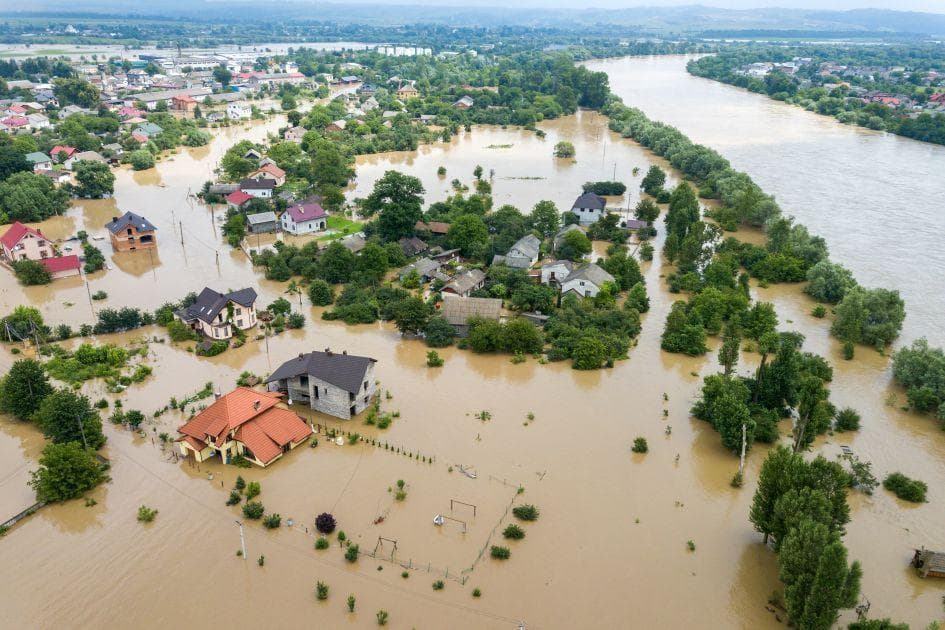
- Flooding in China (June - August):
- Cost: $11.7 billion.
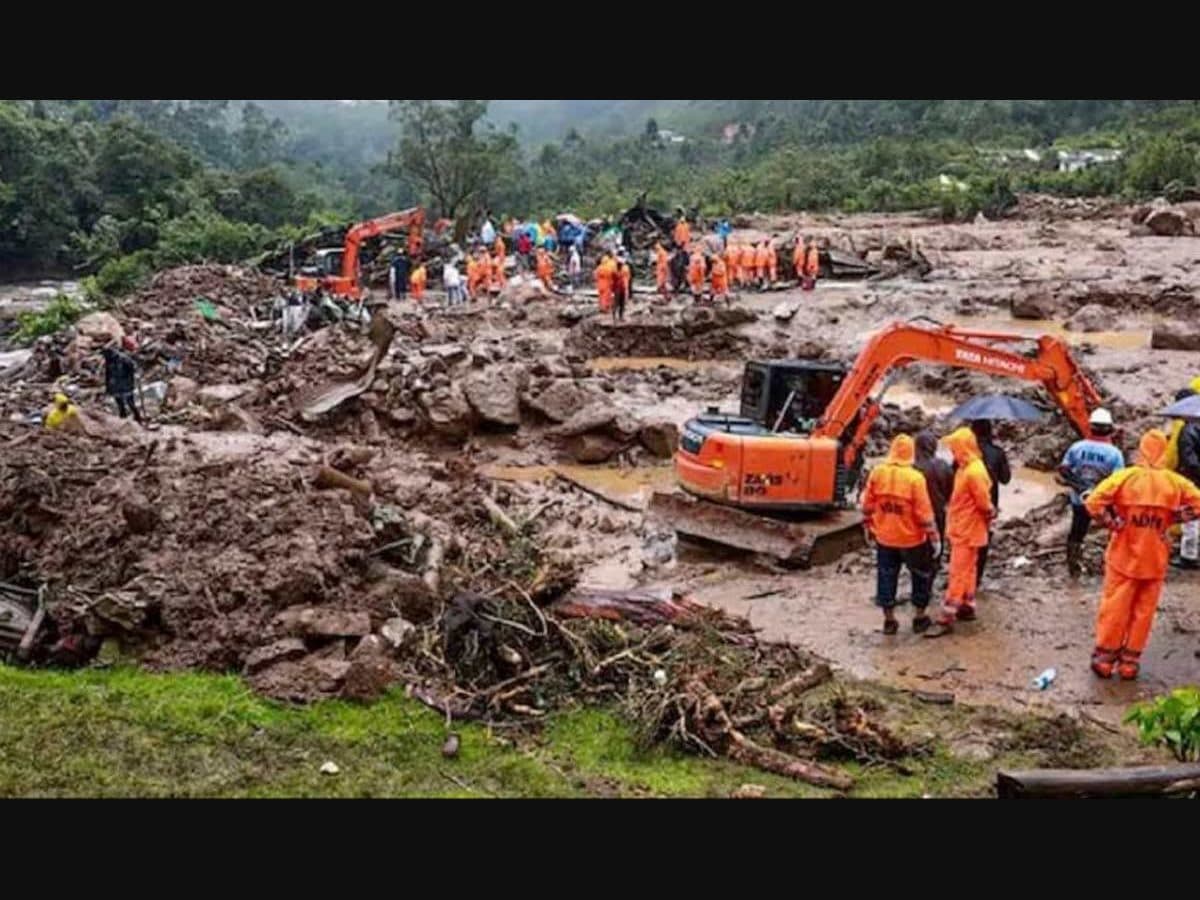
- Monsoon Impact in India and Pakistan (June - September):
- Cost: $3 billion
- Death toll: At least 1,860 people.
- Typhoons in the Philippines:
- Damage: Over $5 billion.
Global South Impact
- Disasters disproportionately affected the Global South, highlighting a significant gap in resources for adaptation and recovery.
- Brazil Drought: Financial loss over $5 billion.
- Hurricane Melissa (Jamaica, Cuba, Bahamas):
- Damage exceeded $8 billion; death toll over 100.
- East Africa: Cyclone Garance financial loss: $1.2 billion.
- Burden of Loss: Emerging economies and developing nations are urged for international public finance to recover from climatic events, notably as they contribute minimally to global emissions but bear the brunt of impacts.
Financing Climate Adaptation
Global North Commitments:
- Developed nations pledged to triple climate finance to $120 billion by 2035, which is deemed insufficient against the estimated $310 billion to $365 billion required annually by developing countries.
- Adaptation Gap Report 2025 (UNEP): Highlights inadequate funding, with adaptation finance dropping to $26 billion in 2023 from $28 billion in 2022.
Debt Servicing: In 2023, 59 least developed countries paid $37 billion in debt servicing while receiving only $32 billion in climate finance.
International Frameworks
- COP30 (Belém, Brazil): Discussion to phase out fossil fuels relegated to voluntary, not compulsory, commitments for nations.
Implications for Climate Policy
- Current trends indicate increasing losses from climate-related events due to rising greenhouse gas emissions without significant global action to curb these emissions.
- Urgence for comprehensive international agreements and financial support mechanisms to equip vulnerable nations to handle extreme weather events effectively.
Conclusion
The report underscores the urgent need for enhanced international cooperation and financial commitments to help mitigate the effects of climate change on the Global South, which bears the highest cost with the least capability to adapt.
Key Terms & Concepts
| climate-related disasters | cost over $120 billion |
| Christian Aid | published report analysis |
| January 2025 | Los Angeles wildfires date |
| 400 deaths | linked to wildfires |
| 1,750 people | killed in Asia disasters |
| $3 billion | cost from India-Pakistan floods |
| Adaptation Gap Report 2025 | needed finances for adaptation |
| $310 billion to $365 billion | annual funds needed by 2035 |
| $26 billion | finance for adaptation in 2023 |
| COP30 | climate conference decisions |
| fossil fuels phase-out | strategy discussed at COP30 |
| total losses rising | due to greenhouse gases |
| developed countries |