iAspirants
Impact of Current Global Conflicts
Published on:
Share this post

Article Summary
Summary of Key Facts and Data
Economic Impact of Conflicts (Russia-Ukraine & US-Israel vs Iran)
Russia-Ukraine War Effects (2022):
- Full-scale invasion commenced on February 24, 2022.
- Brent Crude Price: Peaked at $117.9 per barrel in June 2022, averaging above $100 until August.
- FAO Food Price Index:
- Averaged 144.5 points in 2022, peaked at 160.2 points in March 2022.
- Fertiliser import prices soared:
- Di-ammonium Phosphate (DAP): Exceeded $950/tonne.
- Muriate of Potash: Surpassed $590/tonne.
Impact on India’s Balance of Payments (BoP):
- Merchandise trade deficit increased:
- From $102.2 billion (2020-21) to $265.3 billion (2022-23).
- Net invisibles surplus rose:
- From $126.1 billion (2020-21) to $198.2 billion (2022-23).
- Gross invisibles receipts in 2022-23: $465.8 billion (55% from software exports and remittances).
- Current account deficit constricted to $67 billion in 2022-23, manageable through capital inflows of $57.9 billion.
- Merchandise trade deficit increased:
Economic Recovery & Assessment (2023-24):
- Merchandise trade deficit fell to $244.9 billion due to easing global prices.
- Higher invisibles surplus $218.8 billion, reducing current account deficit to $26.1 billion.
- Record capital inflows of $89.8 billion, highest since 2007-08.
Recent Developments: US-Israel vs Iran Conflict
Fuel Price Surge: Iranian control over the Strait of Hormuz has led to Brent crude prices exceeding $100 per barrel again.
Fertiliser Stock Situation:
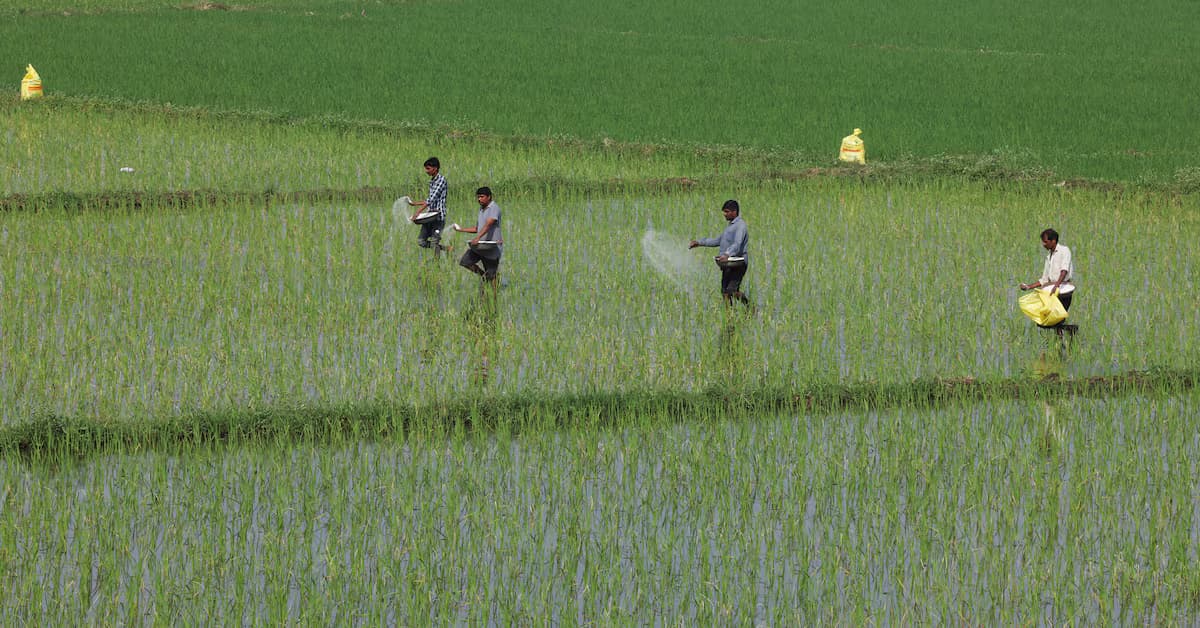
- India maintains strong stocks of urea and complex fertilisers; no immediate crisis despite geopolitical tensions.
- Despite dependency (60% LNG, 80% inputs from West Asia), stockpiles remain adequate for the upcoming monsoon crop season.
Food Security Assessment (February 2026):
- FAO food price index at 125.3 points, lower than the 2022 peak.
- India’s stocks of rice and wheat at an all-time high of 99.7 million tonnes (February 1, 2026).
- Anticipated bumper harvest in wheat, mustard, chickpeas, indicating better food security compared to 2022.
Vulnerabilities and Potential Risks
Remittances and Overseas Indian Workers:
- Approximately 8.9 million Indians in Gulf Cooperation Council (GCC) countries, contributing significantly to remittances.
- Economic instability in GCC due to ongoing conflict could lead to reduced remittances, affecting the invisibles account surplus.
Capital Flows:
- Net capital inflows to India dropped from $89.8 billion (2023-24) to $18 million (2024-25), with negative trends observed in equity markets.
- Foreign portfolio investors have executed net sales totaling $27.3 billion over the last two years.
Conclusion
The prolonged Russia-Ukraine conflict has had considerable repercussions on India's economy, primarily affecting the trade balance and capital flows. The ongoing US-Israel vs Iran conflict poses additional risks, particularly concerning energy prices and potential impacts on food security. The overall landscape indicates increased vulnerability primarily through the remittances and merchandise trade channels.
Key Terms & Concepts
| Russia-Ukraine war | Conflict affecting global markets |
| Brent crude prices | Indicator of oil price trends |
| FAO food price index | Measure of food price inflation |
| India's merchandise trade deficit | Economic measure of imports |
| Net invisibles surplus | Economic measure of services |
| Urea, DAP, and complex fertilizers | Key agricultural inputs |
| Gulf Cooperation Council | Region with Indian migrants |
| Current account deficit | Economic measure of balance |
| Reserve Bank of India | Central banking institution |
| Net capital inflows | Indicator of foreign investment |
| US Department of Agriculture | Agency forecasting agricultural production |
| Food Security | Critical agricultural concern |