iAspirants
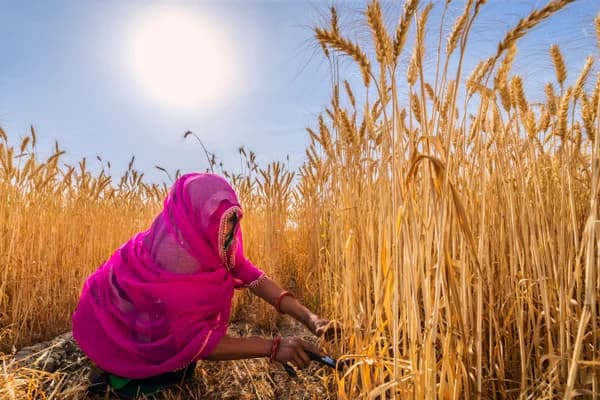
Impact of Heat on Women in India
Published on:
Share this post
Article Summary
Summary of Findings from MSSRF Study on Heat Vulnerability in Women
Key Findings:
- Study Background: Conducted by the M.S. Swaminathan Research Foundation (MSSRF) in Chennai, the research highlights the gender-specific repercussions of extreme heat on women's health and well-being across seven Indian states: Rajasthan, Gujarat, Maharashtra, Bihar, Odisha, Telangana, and Tamil Nadu.
- Health Impacts:
- Physical Symptoms: 70% of surveyed women in high vulnerability districts reported symptoms including fatigue, dizziness, dehydration, and gastrointestinal issues during peak heat months (April-June).
- Reproductive Health Issues: High prevalence of urinary tract infections, irregular bleeding, and menstrual cycle disruptions noted, yet very few sought medical treatment.
- Socioeconomic Effects:
- Wage Loss: Nearly all respondents (97%) experienced wage losses exceeding ₹1,500 during the summer months.
- Mental Health Issues: High levels of anxiety (33%), irritability (41%), and disruptions in sleep patterns (32%) linked to heat stress.
- Violence and Economic Stress: 38% of women reported experiencing violence in their lifetime, with 72% noting increased violence during the peak heat period, suggesting a correlation between heat, economic challenges, and household tensions.
- Demographics Affected: Women from poorer backgrounds, rural areas, and lower castes involved in informal work were notably more affected, reporting significant physical and mental health issues.
Research Methodology:
- Sample Size: Survey conducted with 3,300 women in high, medium, and low Heat Vulnerability Index (HVI) districts.
- Data Integration: Combined primary survey data with secondary National Family Health Survey data overlaid on a heat map from the Indian Meteorological Department.
Developmental Recommendations:
- Gendered Focus in Climate Policies: Emphasizes the need for gender-specific research to inform health preparedness strategies and climate policies.
- Future Research Plans: MSSRF plans longitudinal studies to further investigate the impacts of climate on women's health and livelihoods.
Legislative and Governmental Implications:
- Policy Enforcement: The study advocates for the enforcement of labor policies that ensure women's access to essential services like water, sanitation, and healthcare during extreme heat periods.
Constitutional and International References:
- Rights of Women: The need for attention towards women’s rights and protection under possible constitutional guarantee frameworks, leveraging Articles on health and welfare.
- Climate Change Agreements: The research underscores the urgent relevance of aligning national policies with international climate agreements aimed at mitigating impacts on vulnerable populations.
Conclusion:
The study reinforces the need for targeted strategies to address the compounded effects of climate change on women's health, advocating for systemic changes in policy to safeguard their rights and ensure equitable access to resources during extreme weather conditions.
Key Terms & Concepts
| M.S. Swaminathan Research Foundation | Conducted the study |
| High Heat Vulnerability Index (HVI) | Measured heat vulnerability |
| 70% | Women reporting health symptoms |
| ₹1,500 | Wage loss during summer months |
| 3,300 women | Participants in primary surveys |
| April to June | Period of reported violence increase |
| Rajasthan, Gujarat, Maharashtra, Bihar, Odisha, Telangana, Tamil Nadu | States studied for HVI impact |
| National Family Health Survey | Provided secondary data |
| Gender-specific health policies | Recommendation for future strategies |
| Power outages and overcrowded homes | Contributing environmental stressors |