iAspirants
Current AffairsPrelims PYQsUPSC CSE SyllabusUPSC CSE StrategyBlogsPricing
Login
iAspirants
Current AffairsPrelims PYQsUPSC CSE SyllabusUPSC CSE StrategyBlogsPricingContact UsLoginSignUp
iAspirants

Your AI-powered companion for UPSC preparation.

Study Resources

  • Current Affairs
  • Prelims PYQs
  • UPSC CSE Syllabus
  • UPSC CSE Strategy
  • Blogs

Practice & Plans

  • Mains Answer Evaluation
  • Pricing
  • Sign Up
  • Login

Company

  • Home
  • About Us
  • Contact Us
  • FAQs

Legal

  • Privacy Policy
  • Terms & Conditions
  • Return Policy

© 2026 iAspirants, Inc. All rights reserved.

  1. Blogs
  2. Polity and Governance

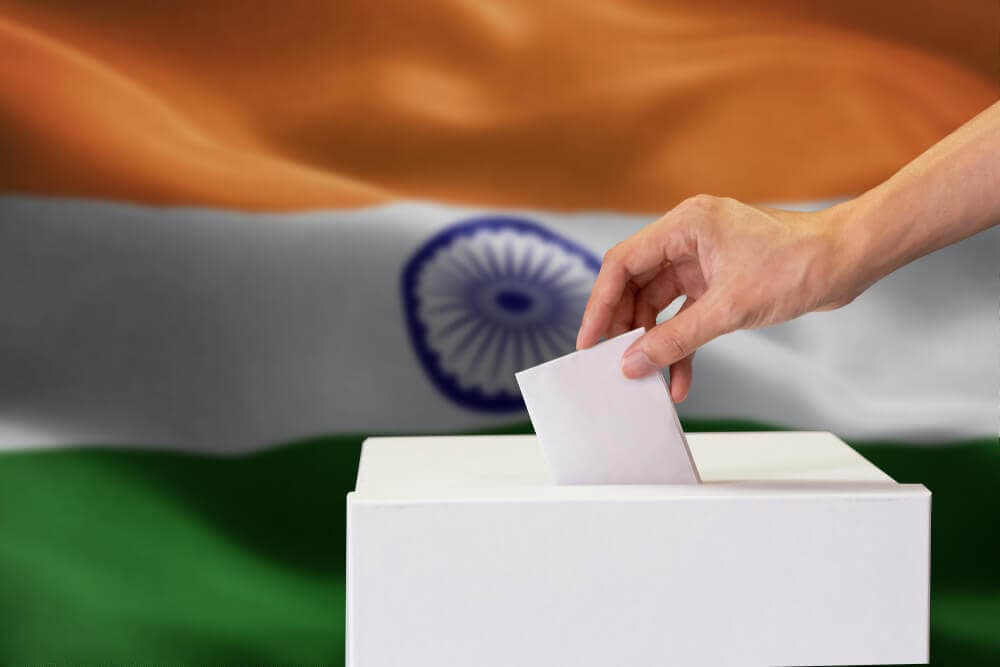
Impeachment of Chief Election Commissioner

Published on: 29-Sep-2026

Source: Indian Express

Share this post
Impeachment of Chief Election Commissioner

Article Summary

Summary of Key Points and Legal Framework Relating to the Election Commission and Impeachment

Constitutional References:

  • Article 324(5): Details the process of removing the Chief Election Commissioner (CEC) and other Election Commissioners, requiring impeachment for "proved misbehaviour or incapacity".
  • Article 124(4): Additionally refers to the conditions under which the CEC can be impeached.

Legal Framework:

  • Supreme Court Judgment (Anoop Baranwal): Asserts norms expected of Election Commissioners including independence, impartiality, integrity, propriety, equality, and diligence.
  • Representation of the People Act, 1950 (Section 32(1)): Criminalizes actions by election officials that breach their duty in electoral roll preparation.

Election Commission Issues:

  1. Admittance of Impropriety: The ECI's press note (September 26) indicates failures such as no documented meeting agendas or minutes over the past year, raising concerns about the legality of major decisions made without proper protocol.

  2. Changes to Form 6:

    • Misrepresentation of Supreme Court Ruling: The ECI claimed that modifications to Form 6 were legally sanctioned, which contradicts assessments by legal commentators.
    • Unauthorized Changes: The ECI admitted to reverting back to the original Form 6 due to objections from two Election Commissioners, indicating prior violations of law.
    • Pressure on Voters: Reports suggest that the ECI misled voters who were wrongfully removed from rolls to falsely declare themselves as new voters to re-register.
  3. ECINET System Review: The ECI's decision to form a committee to verify the compliance of ECINET (the online portal for managing electoral rolls) indicates uncertainty over the legality of previously processed deletions of over 13 crore names, reflecting on procedural integrity.

Impeachment Considerations:

  • The cumulative evidence suggests grave lapses in duties by the CEC and other commissioners, including blatant violations of both legal and procedural frameworks, thus justifying a strong basis for potential impeachment.

Implications:

  • The highlighted admissions from the ECI underscore serious allegations regarding governance within the election administration, with potential constitutional ramifications affecting electoral integrity.

Conclusion:

The findings present a considerable case of dereliction against the Chief Election Commissioner and the Election Commission, raising significant questions on electoral integrity and procedural adherence, with strong grounds for impeachment under the existing legal framework.

Key Terms & Concepts

Article 324(5)Removal process of CEC
Article 124(4)Impeachment grounds for CEC
Anoop BaranwalSupreme Court judgment standards
Bangalore Principles of Judicial ConductStandards for judicial conduct
Form 6Electoral roll modification
Representation of the People Act, 1950Legal framework for electoral rolls
ECINETOnline portal for electoral rolls
13 croreNumber of names deleted from rolls
16 lakhAppeals filed against voters
September 26Press note release date
GoaLocation of wrongful voter deletions

Mind Map for UPSC Civil Services Revision

Turn UPSC Civil Services Current Affairs Into Exam-Ready Notes

Reading Polity and Governance current affairs is half the work. Revise them with ready-made notes and test what actually stuck.

  • Daily UPSC Civil Services current affairs analysis
  • Revision notes, mind maps & MCQs
  • Prelims mock tests with instant results

Related UPSC Civil Services Current Affairs Articles

Digital News Publishers Ethical Code
Polity and Governance13-Nov-2026

Digital News Publishers Ethical Code

Digital News Publishers Association Code of Ethics Summary

  1. Constitutional References:

    • Commitment to Article 19 (1)(a) of the Constitution of India, which guarantees the right to freedom of speech and expression.
    • Code aligns with over 30 laws relating to media, including provisions in the Indian Penal Code (IPC), Criminal Procedure Code (CrPC), and the Information Technology Act, 2000.
Practise Mains answer writingUpload a handwritten answer and get it evaluated
  • Code Objectives:

    • Establish high standards and ethics in digital news publishing.
    • Ensure editorial and content independence of publishers.
    • Promote accuracy, transparency, and fairness in news reporting.
  • Key Precepts:

    • Legal Compliance: Adhere to applicable laws, ensuring responsible journalism.
    • Accuracy and Verification: Mandatory pre-publication verification to avoid misinformation. Defamation should be eschewed.
    • Right of Reply: Incorporate comments or versions from affected parties regarding allegations made in news reports.
    • Error Correction: Mechanism for editing or deleting reports found to be inaccurate upon verification by concerned parties.
  • Intellectual Property Rights:

    • Respect copyrights and obtain permissions for use of copyrighted material.
    • Ensure acknowledgment of ownership rights. Use of trademarks should also follow legal protocols.
  • Reporting Sensitivity:

    • Presumption of Innocence: Maintain neutrality when reporting sensational matters or crimes.
    • Special Care in Sensitive Cases: Pay special attention to cases involving minors, sexual offences, communal disputes, and related sensitive topics, adhering to Sections 67, 67A, and 67B of the Information Technology Act.
  • Grievance Redressal:

    • Follow the grievance redressal mechanism as per the Information Technology (Intermediary Guidelines) Rules, 2011.
    • Appoint grievance officers to address complaints promptly (within 36 hours acknowledgment and one month resolution).
  • Training and Awareness:

    • Conduct regular training for editorial staff on laws related to journalism, including, but not limited to:
      • The Indecent Representation of Women (Prohibition) Act.
      • Copyright Act.
      • Right to Information Act.
      • Juvenile Justice Act and POCSO (Protection of Children from Sexual Offences).
    • Emphasize the importance of protecting identity in sensitive cases (e.g., minors, victims of sexual crimes).
  • Judicial Reporting:

    • Ensure accurate reporting of court hearings and judicial matters.
    • Maintain objectivity and respect privacy, especially concerning non-public figures.
  • Promotion of Communal Harmony:

    • Ensure that news coverage regarding communal or religious issues promotes peace and amity, involving strict verification of facts prior to publication.
  • This code reflects an advocacy for ethical practices in digital journalism, balancing the exercise of constitutionally mandated freedoms with responsible reporting and adherence to legal frameworks.

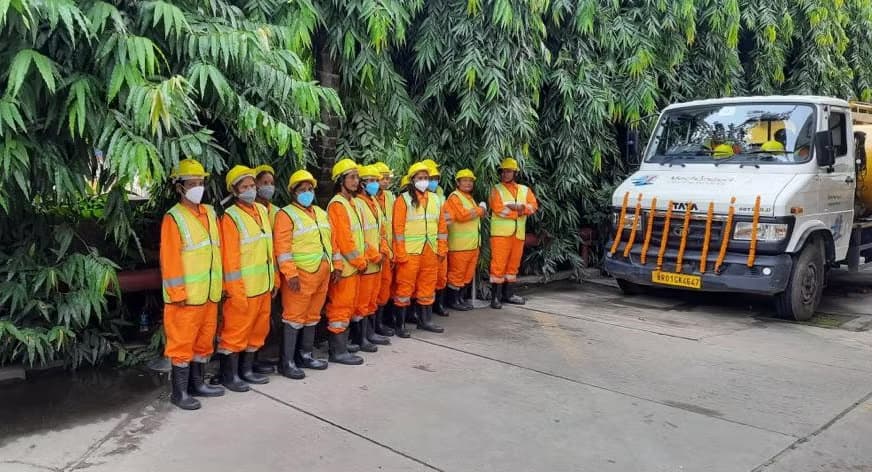
    Challenges in Sanitation Worker Safety
    Polity and Governance06-Nov-2026

    Challenges in Sanitation Worker Safety

    Summary of Sanitation Worker Issues and Legislative Context in India

    Deaths of Sanitation Workers

    • Data on Fatalities:

      • Total deaths from 1993 to 2025: 1,350
      • Fatalities from 2014 to 2025: 859
      • Deaths from 2019 to mid-2026: 498
      • Deaths across 18 States and Union Territories from 2021 to 2026: 332
    • Recent Incident: Four workers died in Ujjain, Madhya Pradesh while cleaning a hotel’s food-waste chamber.

    Legislative Context

    • Prohibition of Employment as Manual Scavengers and their Rehabilitation Act, 2013:

      • Distinguishes between hazardous cleaning of sewers and manual scavenging.
      • Addresses the issue of employing individuals in unsafe sewerage conditions.
    • Judicial Rulings:

      • In Dr. Balram Singh (2023), the Supreme Court enhanced protections by:
        • Strengthening requirements under the Safai Karamchari Andolan (2014).
        • Mandating that outsourced contracts do not involve workers entering sewers.
        • Increasing compensation for worker deaths to ₹30 lakhs.

    Government Schemes and Policies

    • National Action for Mechanised Sanitation Ecosystem Scheme:
      • Focuses on urban local bodies.
      • Aims to reduce manual sanitation work through mechanisation.
      • Criticized for failing to effectively minimize hazardous tasks leading to worker deaths.

    Social Issues

    • Marginalized Communities:
      • Workers in sanitation jobs are often from historically marginalized castes, highlighting social equity problems in employment.

    Enforcement and Compliance Issues

    • Regulatory Non-compliance:
      • Private contractors and municipal bodies regularly violate the Prohibition Act.
      • There are significant issues, including the use of undocumented daily-wage workers to circumvent regulations.

    Conclusion

    • The persistent deaths of sanitation workers despite existing legislation and court orders underline critical gaps in enforcement, social security, and the effectiveness of government schemes. The need for formal employment status and improved safety measures remains urgent to actualize legislative aims and protect workers effectively.
    Bureaucrats Asset Declaration Review 2026
    Polity and Governance05-Nov-2026

    Bureaucrats Asset Declaration Review 2026

    Summary of Bureaucrat Asset Declarations in India

    Constitutional References:

    • Section 44 of the Lokpal Act: Mandates public disclosure of movable and immovable assets by public officials, akin to electoral candidates and MPs. This was amended in December 2016 to establish specific rules for asset declaration by public servants.

    Key Facts and Figures:

    • Number of Officials Reviewed: 102 out of 131 Secretary-level officials' asset declarations were analyzed for 2026.
    • Total Self-Acquired Properties Declared: 244 properties, including:
      • 219 residential,
      • 3 commercial,
      • 22 agricultural parcels.
    • Disclosure Gaps:
      • 115 properties lacked information on area/dimensions.
      • 115 properties did not have current valuation listed.
      • Only 129 properties had a "present value" reported.
    • Property Ownership Statistics:
      • 44 officials and/or their spouses own three or more properties.
      • Seven officials own five properties each; 13 own four each; 24 own three each.

    Notable Individuals and Properties:

    • The leading official declared eight self-acquired properties, predominantly located in Kerala.
    • A close second declared six properties across multiple states, including Maharashtra and Delhi.

    Governance and Oversight Mechanism:

    • Bureaucrats must report their assets annually by January 31, with disclosures made public by March 31 since 2011.
    • This practice was initiated in response to demands from the anti-corruption movement and the Right to Information (RTI) petitions.

    Administrative Context:

    • Officials included: 95 Secretaries from Central Government departments (e.g., President’s Secretariat, Prime Minister’s Office, NITI Aayog) and Chief Secretaries from states and Union Territories.
    • The categories of officials also cover various services, including IAS, IPS, and Indian Foreign Service members.

    Implications of Findings:

    • Majority of properties are situated in Delhi-NCR and state capitals, often in cooperative housing projects for government employees.
    • Public comments and questions were raised regarding the lack of a verification mechanism for asset declarations and the absence of rules for asset reporting established by the Lokpal Act.

    Remarks on Accountability:

    • The declarations indicate substantial wealth among officials, with a notable percentage failing to provide complete asset details. The public continues to expect transparency and accountability from their elected and appointed officials, especially in light of ongoing discussions regarding corruption and governance standards.

    This summary encapsulates the critical data and elements relating to bureaucratic asset declarations in India, emphasizing the importance of transparency and accountability within public service.