iAspirants
Imphal's Historical Significance in WWII
Published on:
Share this post
Article Summary
Summary:
On September 13, 2023, during an address in Manipur, Prime Minister Narendra Modi emphasized the historical significance of the region, quoting Netaji Subhas Chandra Bose, who described Manipur as "the door to India’s freedom". This statement draws attention to the pivotal role Manipur played during World War II, particularly in the context of the battles of Imphal and Kohima, which were crucial in the Allied efforts against Japanese forces in the Northeast region of India.
World War II Context:
- India’s contribution was critical to the Allied forces, serving as both a logistical base and source of manpower.
- Two major battles unfolded directly on Indian soil: the invasion of the Andaman and Nicobar Islands by Japan and the battles in Northeast India, mainly at Imphal and Kohima.
Geopolitical Importance of Imphal:
- The Imphal valley was strategically significant, serving as a staging ground for military operations due to its flat terrain situated between India and Burma.
- Lt. General Viscount Slim identified Imphal as crucial for the Allied objectives in the region, with its location allowing for supply routes into Burma.
Japanese Invasion and the Role of the INA:
- The Japanese commenced their invasion of the Northeast in March 1944, aiming to capture Imphal and Kohima.
- Subhas Chandra Bose’s Indian National Army (INA), although not a large force compared to the Japanese, sought to assist in the advance into British India, with Bose advocating for a dual attack from within India and Japanese forces from outside.
The Battles of Kohima and Imphal (April - June 1944):
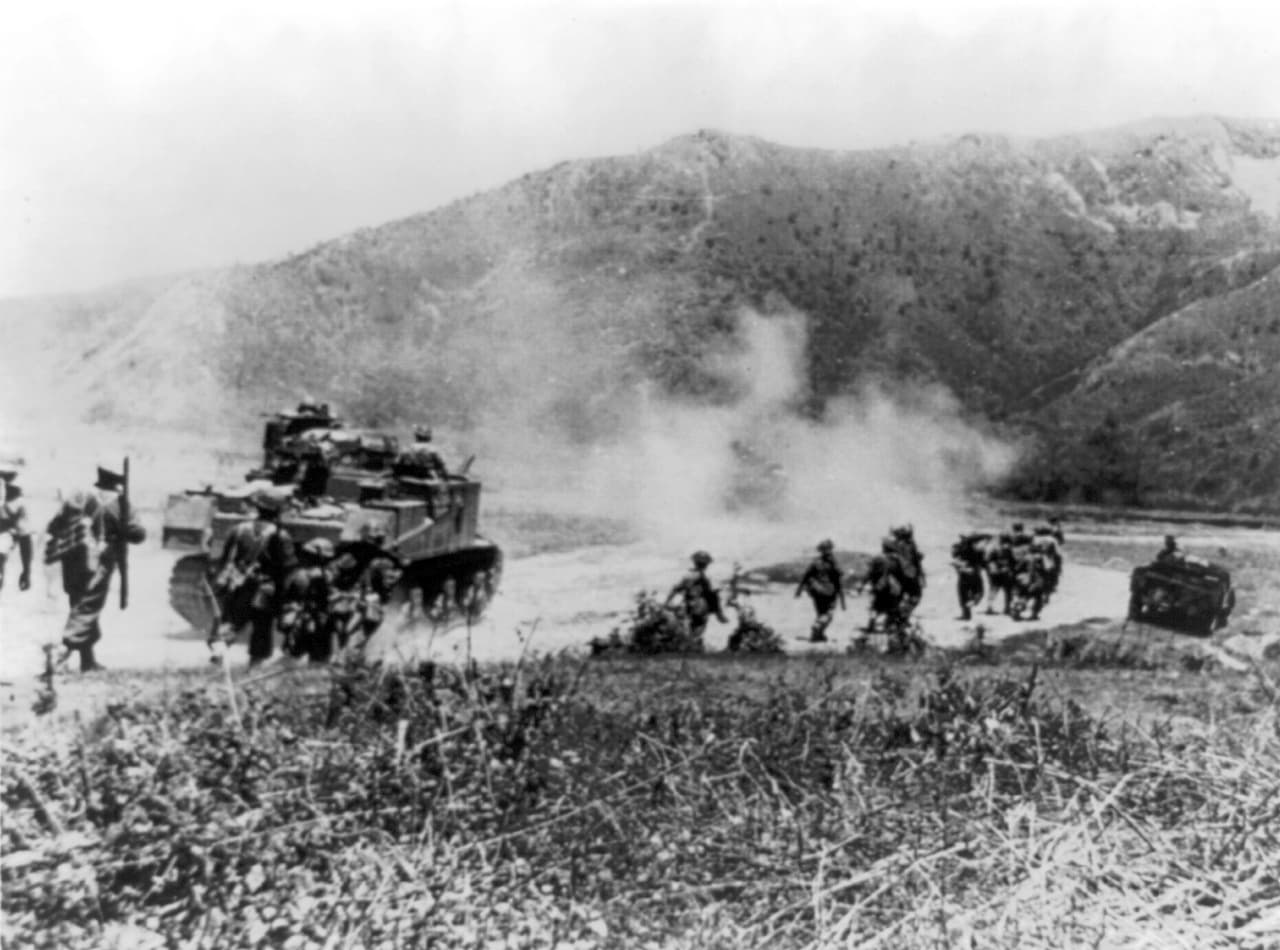
- The Battle of Kohima was fought in two phases, featuring intense close-quarter combat, where the British forces, despite being outnumbered, utilized their logistics and tanks effectively against the Japanese.
- At Imphal, Japanese forces attempted several offensives but faced fierce resistance and logistical challenges.
Outcome and Casualties:
- Allied tactics ultimately prevailed, leading to a retreat of Japanese forces and the INA. The Japanese 15th Army faced severe casualties: approximately 53,000, while British forces suffered around 16,500 casualties combined at both fronts.
- By August 1945, following pivotal defeats and the atomic bombings, Japan capitulated, leading to Bose’s death soon after.
Historical Legacy:
- The battles, though significant for Allied victory in the Asia-Pacific theater, remain lesser-known in the Western narrative and often underrepresented in Indian nationalism, which tends to valorize the INA.
- Acknowledging the sacrifices made by local populations, including the Nagas, Meiteis, and Kukis, is crucial in the broader context of India’s historical memory.
- As suggested by commentator Meghnad Desai, celebrating these battles is important in remembering the bravery and sacrifices made during the war.
Overall, the battles of Imphal and Kohima represent a critical yet often overlooked chapter in World War II that had lasting implications not only for the regional geopolitics at the time but also for India's post-colonial narrative.
Key Points:
- PM Modi linked Manipur's history to India's freedom through Bose's recognition of its significance during WWII.
- Imphal was strategically crucial for military movements between India and Burma.
- The invasion began in March 1944, with the INA supporting Japanese forces' advance into India.
- Intense battles occurred at Kohima and Imphal from April to June 1944, leading to heavy casualties: 53,000 Japanese and approximately 16,500 Allied troops.
- The battles’ legacy highlights the contributions of various Indian communities alongside the INA and reflects on India's historical narratives post-WWII.
Key Terms & Concepts
| Netaji Subhas Chandra Bose | Prominent figure in INA |
| Imphal | Crucial battle location |
| Kohima | Battle site in WWII |
| British 14th Army | Defending forces during battle |
| Japanese 15th Army | Attacking forces during battle |
| Andaman and Nicobar Islands | Occupied territory in WWII |
| Burma | Key objective in campaign |
| Chiang Kai-shek | Chinese resistance leader |
| Hiroshima and Nagasaki | Sites of atomic bombings |