iAspirants
Importance of Forests for Economy
Published on:
Share this post

Article Summary
Summary of Key Points on Forests and Their Economic Significance in India
Forest Area and Biodiversity
- Forest Cover: Forest and tree cover constitute 25.17% of India's geographical area, as noted in the India State of Forest Report 2023.
- Global Comparison: Worldwide, forests cover 31% of land and support over 1.6 billion people (FAO Global Forest Resources Assessment 2020).
Economic Contributions
- Livelihoods: Forests sustain millions of livelihoods, particularly among tribal and forest-dependent communities.
- Forest Products: Key products include wood, timber, bamboo, honey, medicinal plants, and wild foods, vital for income and nutrition.
- Bamboo Resources: Referred to as "green gold", they are instrumental in industries like handicrafts and construction.
Ecological Importance
- Ecosystem Services: Forests support agriculture by maintaining water supplies, enhancing soil fertility, and providing pollinator habitats essential for sustainable agriculture.
- Agroforestry: Integrating trees with crops boosts biodiversity and offers diverse income sources while safeguarding farmers during crop failures.
Government and International Policies
- FAO Initiatives: The FAO supports sustainable forest management and forest-based livelihoods through projects funded by the Global Environment Facility (GEF).
- Agroecology Support: Efforts aim to promote agroforestry tailored for small, marginal, and vulnerable farmers, facilitating climate resilience.
- Green Climate Fund (GCF): Programmes are in place to identify agroforestry models as essential strategies for climate change adaptation.
Innovations in Agroforestry
- Quality Planting Material (QPM): The FAO collaborated with the Ministry of Agriculture and Farmers’ Welfare to develop protocols for certified QPM, enhancing nursery standards and facilitating sustainable agroforestry.
Economic and Environmental Interconnection
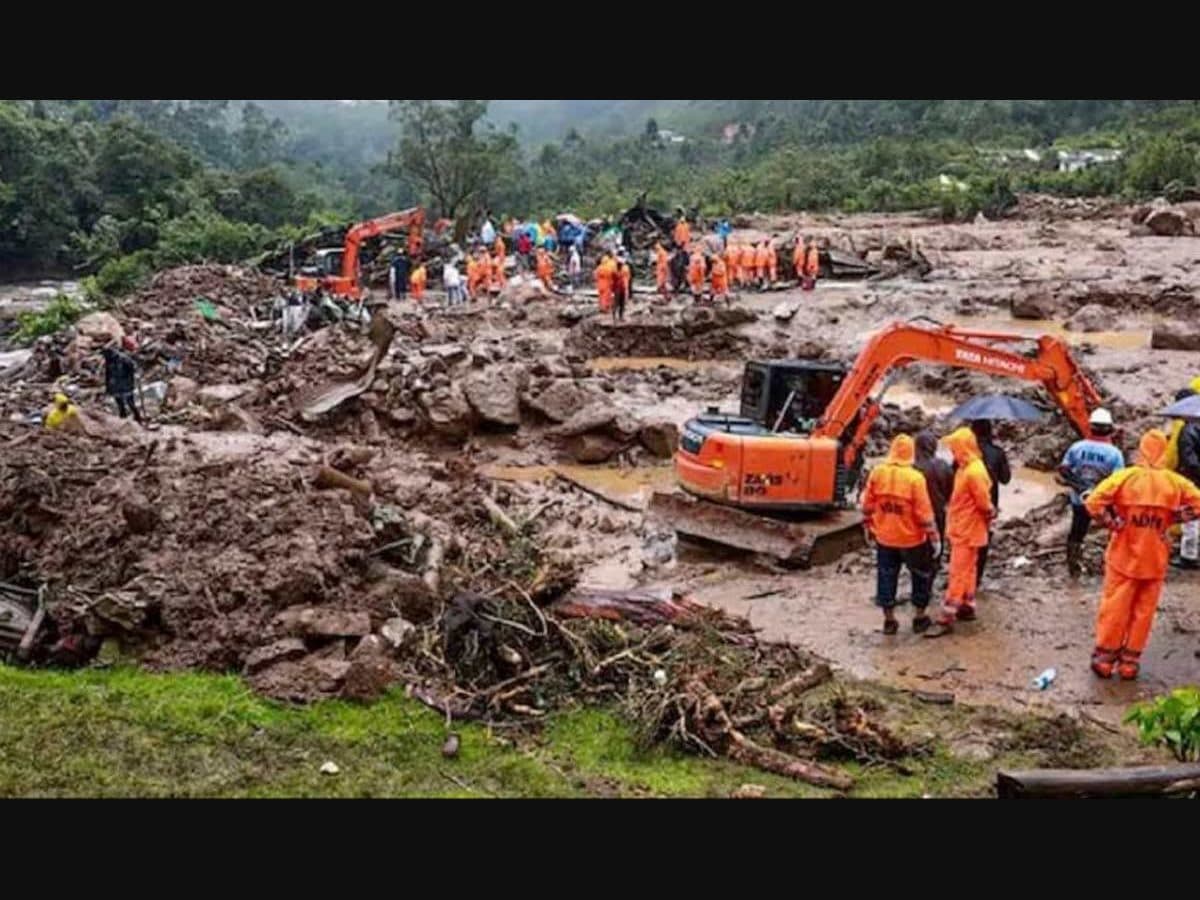
- Healthy Forests = Healthy Economies: Degradation leads to soil erosion, flooding, and biodiversity loss; therefore, investing in forests supports climate resilience, rural livelihoods, and sustainable growth.
- Circular Biomass Systems: Expanding agroforestry and promoting sustainable forest-product value chains can lead to resilient rural economies and green industry opportunities.
Calls to Action
- Investment in Forests: Emphasizes the necessity of protecting forests as a means to ensure long-term environmental sustainability and economic viability.
This information serves as a guide to understanding the vital role that forests play in India's economy, ecology, and the ongoing initiatives aimed at enhancing sustainable practices in forest management and rural livelihoods.
Key Terms & Concepts
| India State of Forest Report 2023 | Reports on forest cover in India |
| 31% | Global forest coverage statistic |
| 1.6 billion | Livelihoods supported by forests |
| March 21 | International Day of Forests |
| FAO | Promotes sustainable forest management |
| Global Environment Facility (GEF) | Funds projects for biodiversity |
| Green Climate Fund (GCF) | Supports agroforestry adaptation strategies |
| Quality Planting Material (QPM) | Standards for nursery certification |
| Agroforestry | Pathway for strengthening economies |
| Forest-products value chains | Enhances economic opportunities |
| Bamboo resources | Supports various green industries |
| Climate resilience | Focus of sustainable forestry |