iAspirants
Current AffairsPrelims PYQsUPSC CSE SyllabusUPSC CSE StrategyBlogsPricing
Login
iAspirants

Your AI-powered companion for UPSC preparation.

Quick Links

  • Home
  • About Us
  • Current Affairs
  • Prelims PYQs
  • UPSC CSE Syllabus
  • UPSC CSE Strategy
  • Blogs

Company

  • Pricing
  • FAQs
  • Contact Us
  • Login

Legal

  • Privacy Policy
  • Terms & Conditions
  • Return Policy

© 2025 iAspirants, Inc. All rights reserved.

  1. Blogs
  2. Economic and Social Development

Inauguration of National Turmeric Board

Published on: 29-Jun-2025

Share this post

Inauguration of National Turmeric Board

Article Summary

Summary:

On October 6, 2023, Union Home Minister and Minister of Cooperation, Amit Shah, inaugurated the headquarters of the National Turmeric Board in Nizamabad, Telangana, fulfilling a long-standing demand from turmeric farmers in the region. The initiative is seen as a significant step towards enhancing the global outreach of Indian turmeric, which is renowned for its medicinal properties.

Key Highlights:

  • Establishment of the National Turmeric Board: The National Turmeric Board was established to streamline the process for turmeric farmers and to eliminate the influence of middlemen in the marketing and export of turmeric. The Board aims to create a complete chain encompassing packaging, branding, marketing, and export.

  • Government Targets: The Indian government, led by Prime Minister Narendra Modi, has set an ambitious target of achieving one billion dollars in turmeric exports by 2030. This target is supported by necessary preparatory measures to boost the sector.

  • Economic Support for Farmers: In 2023-24, turmeric farmers received prices between ₹18,000 to ₹19,000 per quintal for their produce. The government aims to increase this price by an additional ₹6,000 to ₹7,000 per quintal within the next three years.

  • Cultivation and Production Statistics: In 2023-24, turmeric was cultivated across 3 lakh hectares in India, leading to a total production of approximately 10.74 lakh tonnes.

  • Benefits of Curcumin: Turmeric is recognized globally for its anti-viral, anti-cancer, and anti-inflammatory properties, earning the status of a "wonder drug." The focus on promoting these health benefits is expected to enhance global consumption.

  • Direct Impact on Local Farmers: The initiative is particularly significant for turmeric farmers in Nizamabad, often referred to as the "turmeric capital" of India. Farmers will benefit from improved export procedures and better market access.

  • Formation of Export Agencies: The government also established National Cooperative Exports Limited (NCEL) and National Cooperative Organics Limited (NCOL) to further assist farmers in accessing international markets and promoting organic turmeric farming.

  • Quality and Safety Standards: The National Turmeric Board will ensure that the quality and safety of Indian turmeric meets international standards, facilitating easier access to global markets.

  • Research and Development Initiatives: Efforts will also be made towards research and development to highlight the health benefits of turmeric, which will aid in showcasing its value to international consumers.

  • Supportive Infrastructure for Farmers: The new initiatives will provide necessary training and skill development for farmers to enhance their harvesting techniques and meet export standards.

Important Facts:

  • Date of Inauguration: October 6, 2023
  • Target for Turmeric Exports: 1 billion dollars by 2030
  • Current Price to Farmers: ₹18,000 to ₹19,000 per quintal with an aim for ₹6,000 to ₹7,000 increase in three years
  • Area Cultivated: 3 lakh hectares yielding 10.74 lakh tonnes in 2023-24
  • Notable Districts: Nizamabad, Jagtial, Nirmal, and Kamareddy in Telangana as leading turmeric producers.

Through the establishment of the National Turmeric Board and associated ventures, the Indian government aims to significantly elevate the profile of turmeric on the global stage while ensuring fair compensation for the farmers involved in its production.

Key Terms & Concepts

National Turmeric BoardPromote turmeric packaging and export
NizamabadTurmeric capital of Telangana
National Cooperative Exports LimitedSupport turmeric farmers in exports
National Cooperative Organics LimitedAssist organic farming farmers
₹1 billionTarget for turmeric exports
3 lakh hectaresArea under turmeric cultivation
10.74 lakh tonnesTurmeric production in India
₹18,000 to ₹19,000Price per quintal for farmers
₹6,000 to ₹7,000Additional price target for farmers

Mind Map for UPSC Civil Services Revision

Turn UPSC Civil Services Current Affairs Into Exam-Ready Notes

Reading Economic and Social Development current affairs is half the work. Revise them with ready-made notes and test what actually stuck.

  • Daily UPSC Civil Services current affairs analysis
  • Revision notes, mind maps & MCQs
  • Prelims mock tests with instant results

Related UPSC Civil Services Current Affairs Articles

Child Marriage Crisis in Telangana
Economic and Social Development09-Oct-2026

Child Marriage Crisis in Telangana

Summary of Key Points on Child Marriage in Telangana

Context and Individual Cases:

  • Tanya, a 15-year-old from a tribal hamlet in Nizamabad, Telangana, was at risk of being forced into marriage with a man over twice her age. Counselling and intervention by family members prevented the marriage but did not change her dire circumstances.
  • Khushi, another 15-year-old, was married off to a 40-year-old but was brought back home within three days due to her mother's realization of the mistake. Khushi faces threats of being returned to her husband despite her educational aspirations.
  • National and State Statistics:

    • The National Family Health Survey (NFHS-5) found 23.5% of women aged 20-24 in Telangana married before 18, lower in NFHS-6 (2023-24) at 17.9%.
    • 1,245 child marriages were prevented in Telangana in 2025-26, with another 825 cases between April and August 2026.
    • A total of 10,710 child marriages were reported as prevented from 2014-2015 to August 2026, highlighting efforts but also the persistent issue.

    Government Schemes and Policies:

    • Government schemes focus on financial assistance to keep girls in school; challenges include preventing the decision to marry off children.
    • Danasari Anasuya, Minister of Women and Child Welfare, emphasizes changing societal mindsets and increasing awareness to prevent child marriages.

    Judicial and Legal Framework:

    • The Prohibition of Child Marriage Act (2006) makes child marriage illegal in India. Enforcement remains weak, with calls for consistent prosecution to ensure compliance and deter the practice.
    • Child Marriage Prohibition Officers and helplines exist, but effective legal repercussions for violations are necessary to reinforce the law.

    Health and Development Concerns:

    • Early marriage leads to accelerated pregnancies that adversely affect both the young mothers and their children. Medical professionals cite developmental risks such as preterm birth and nutritional deficiencies due to early pregnancies.
    • Experts, including Leenatha Reddy Jakkidi and Priyambada Leena, stress the ongoing physical and cognitive development of adolescents even after menarche, indicating the health risks associated with child marriage.

    Societal Issues:

    • Adjusting traditional views on child marriage as a social practice rather than a legal violation is essential to prevent the continued occurrence.
    • Financial hardships and patriarchal attitudes are significant drivers of child marriage cases across various communities.

    Reporting and Prevention Mechanisms:

    • Local governance bodies and District Child Protection Units work to identify at-risk children through surveys and community reporting.
    • Self-reported cases by minors, often facilitated through Child Helpline (‘1098’), provide pathways for intervention.

    Conclusion:

    Child marriage in Telangana remains a multifaceted issue influenced by socio-economic conditions, cultural norms, and inadequate legal enforcement. Ongoing efforts from government bodies and NGOs are crucial in changing perceptions, providing educational opportunities, and ultimately reducing child marriage incidences to ensure the safety and autonomy of girls in the region.

    Debate Over Angioplasty Necessity
    Health and Medical Procedures09-Oct-2026

    Debate Over Angioplasty Necessity

    Summary Notes on Angioplasty Debate in Kerala

    Key Issues:

    • Kerala Chief Minister V D Satheesan expresses concerns over the necessity of angioplasty procedures, suggesting that some hospitals perform them without medical need.
    • The Indian Medical Association (IMA) acknowledges the importance of avoiding unnecessary medical procedures while cautioning against sweeping statements that could undermine trust in medical professionals.

    Angioplasty Overview:

    • Angioplasty is a procedure that opens blocked heart arteries, often involving the placement of a stent to ensure blood flow.
    • It is critical during acute heart attacks but may not provide additional benefits for patients with stable coronary artery disease, as multiple studies indicate limited need for such interventions unless there are severe blockages.

    Statistics and Data:

    • Kerala is ranked third in coronary stent usage in India, following Maharashtra and Karnataka, as per National Interventional Council data.
    • A coronary artery blockage generally requires at least 70% narrowing (or 50% in critical areas) before stenting is deemed necessary.

    Clinical Guidelines:

    • Decisions on angioplasty must be individualized, considering the patient's clinical condition, test results, and risk factors.
    • Testing procedures vary with risk estimation based on patient demographic and symptomatic history (age, sex, symptoms).

    Patient Anxiety and Perception:

    • Patients often face anxiety and are affected by misinformation about angiograms, leading to difficulty in interpreting results.
    • Trust issues can arise if patients feel procedures are being pushed unnecessarily, causing them to delay life-saving interventions during heart attacks.

    Educational Focus:

    • It is suggested that public messaging should clarify the need for angioplasty targeting the right patients rather than general avoidance.
    • Importance of informed decision-making where patients understand the rationale for procedures and are included in discussions about their treatment options.

    Recommendations for Best Practices:

    • Emphasize the importance of shared decision-making between doctors and patients.
    • Instituting public awareness campaigns regarding when urgent intervention is necessary and the risks/alternative treatments available.
    • Clinical audits recommended through proper medical bodies to ensure adherence to evidence-based medical practices.

    Conclusion

    The discourse surrounding angioplasty in Kerala raises significant questions about medical necessity and the associated psychological effects on patients. Emphasizing informed consent, clear communication, and adherence to clinical guidelines is essential for the appropriate use of such interventions.

    Heart Failure Management Trial in India
    National and International Importance09-Oct-2026

    Heart Failure Management Trial in India

    Summary of the TIME-HF Trial on Heart Failure Care

    Key Facts and Findings:

    • Study Overview: The Telemonitoring and Integrated Multidisciplinary care for Heart Failure (TIME-HF) trial is a large randomized controlled trial conducted by Sree Chitra Tirunal Institute for Medical Sciences and Technology (SCTIMST) in Kerala, examining the efficacy of nurse-led follow-up care using a mobile health application for heart failure patients.
    • Participants: 1,507 adults from 22 hospitals in Kerala and neighboring states; divided into two groups: 755 (intervention) and 752 (usual care).
    • Duration: Two years of follow-up, with patients assessed every three months.

    Improvements Observed:

    • Mortality Reduction: 22% lower risk of death in the intervention group compared to usual care.
    • Hospitalization Rates: Significantly improved medication adherence and reduced instances of hospitalization.
    • Adherence Rates: Adherence to guideline-directed medical therapies reached 37.3% in the intervention group compared to just 22.1% in the usual care group.

    Patient Demographics:

    • Mean age: 61.9 years
    • Gender: 77.6% male
    • Rural Population: 57.3%
    • Education: 70% had low educational attainment
    • Primary Cause of Heart Failure: Ischaemic heart disease (77.4% of cases)

    Systemic Issues Addressed:

    • High post-discharge mortality in Kerala: 82.7% over 10 years reported in heart failure registries.
    • Addressed physician inertia and sub-optimal care patterns; median survival post-diagnosis is only 3.7 years.
    • Importance of proper follow-up care in managing chronic diseases highlighted.

    Intervention Strategy:

    • Role of Nurses: Central to the care pathway, educating patients on self-care, lifestyle modifications, and medication adherence.
    • Follow-up Mechanism: Mobile health app alerts nurses on real-time health indicators such as oxygen saturation, weight fluctuations, and vital signs, facilitating timely interactions with physicians.

    Economic and Health Impact:

    • The trial emphasizes the need for improved healthcare delivery systems, particularly in resource-limited settings, reflecting broader applicability across India.
    • Addresses a critical public health issue, considering that nearly 27% of all deaths in India result from heart disease, with a significant percentage occurring within the ages of 40 to 69.

    Conclusion:

    The TIME-HF trial evidences the positive impact of integrated, nurse-led care in managing heart failure, reducing mortality, and improving quality of life through systematic follow-ups and technology. The findings underscore the urgent need for scalable interventions in chronic disease management throughout India.

    Relevant Statistics:

    • Mortality Rate: 82.7% over 10 years post-discharge.
    • Adherence Rate: Increased from 22.1% (usual care) to 37.3% (intervention).

    Potential for Policy Implications:

    The outcomes of this trial may influence public health policies regarding the management and care strategies for heart failure and chronic disease patients in India, framing a pathway for future healthcare reforms.

    Decreased Vessels in Strait of Hormuz
    National and International Importance08-Oct-2026

    Decreased Vessels in Strait of Hormuz

    Summary of Key Facts and Data Regarding Strait of Hormuz

    Shipping Traffic and Incidents

    • The number of vessels transiting the Strait of Hormuz has dropped to seven on October 6, 2026, the lowest count since July 23, 2026.
    • A spike in attacks on tankers occurred, reaching the highest weekly totals since the onset of the US-Israeli war with Iran.
    • On October 6, crude oil transportation through the strait fell by 27%, averaging 10.1 million barrels per day, which represents 74% of pre-war levels.
    • Ship-to-ship (STS) transfers in the Gulf of Oman decreased significantly.
    • Vessels entering the strait outnumbered those exiting in the two days prior to October 7, 2026.
    • Maritime security sources reported attacks reached the highest in any week since the Iran war began, with a notable incident involving a tanker struck 51 nautical miles north of Qatar.

    Economic Indicators

    • The shipping data indicates that before the Iran war's escalation on February 28, 2026, approximately 125 large commercial vessels traversed the strait daily.
    • These vessels accounted for nearly 20% of global crude oil and liquefied natural gas supplies.

    Regional Responses and Adjustments

    • Exports from the Gulf of Oman coast and the Red Sea increased to 6.7 million barrels per day, more than twice the pre-war levels, compensating for reduced activity in the Strait of Hormuz.
    • Overall crude exports from the Middle East have maintained pre-war levels despite disruptions.

    Conclusion

    The developments in the Strait of Hormuz reflect significant geopolitical and economic dynamics, particularly amidst heightened risks due to maritime attacks linked to the ongoing conflicts involving Iran. The data underscores the strategic importance of this waterway for global oil supplies and the adaptive responses of regional exporters in the wake of rising tensions.

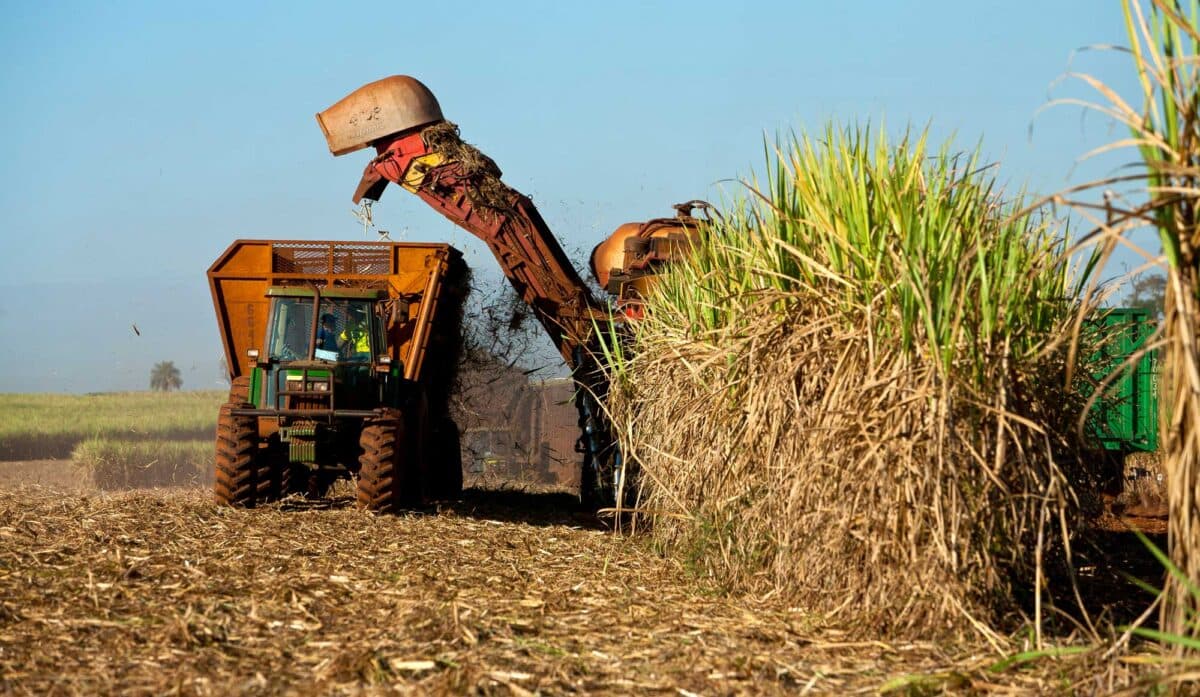
    Farmers Protest Sugar Mill Operations
    Economic and Social Development08-Oct-2026

    Farmers Protest Sugar Mill Operations

    Exam-Focused Summary of the Article

    Key Issues Raised by Farmers' Leader

    • Raju Shetti, a farmers' leader, accused sugar mill owners of starting operations under increased pressures due to government influence and fear of investigative agencies (ED, CBI).
    • Concerns regarding sugar prices potentially reaching ₹100 due to market shortages.

    Government Policies and Recommendations

    • Shetti demands the following before resuming sugar mill operations:
      • Minimum Support Price (MSP) for sugar at ₹50.
      • Ethanol price set at ₹70.
      • Sugarcane MSP at ₹5,000.
    • He referenced the Fair and Remunerative Price (FRP) set by the government at ₹365/quintal for the 2026-2027 sugar season.

    Timeline of Sugar Crushing Season

    • The Centre advised sugar mills to begin crushing from October 15, 2026, to increase production and availability ahead of the festive season.
    • Shetti cautioned that the crushing season should start only after November 15 to ensure optimal recovery rates from sugarcane.
    World Bank Upgrades India's Growth Forecast
    Economic and Social Development07-Oct-2026

    World Bank Upgrades India's Growth Forecast

    Economic Overview

    • GDP Growth Forecast: The World Bank has increased India's GDP growth forecast for the fiscal year to 7.1%, up from 6.6%. This growth is anticipated to significantly impact the South Asia region's GDP, projected at 6.9%, revised from 6.3%. Excluding India, regional growth is estimated at 3.6%, down from 4.1%.

    • Contributing Factors: The anticipated growth is attributed to strong momentum in industry and services supported by:

      • Consolidation of labor codes.
      • Goods and Services Tax (GST) reforms.
      • Rationalization of tariffs.
      • The bankruptcy and insolvency act.
      • Investments in both physical and digital infrastructure.
    • Agricultural Sector Challenges: The West Bank has cautioned that agricultural output is likely to be weakened due to below-average monsoons, affecting rural demand and leading to increased food inflation amid rising energy prices.

    • Future Projections: The World Bank forecasts India’s economy to further grow by 7.2% in 2027-28.

    Monetary Policy Update

    • The Reserve Bank of India (RBI) is expected to increase the repo rate by 25 basis points, raising it to 5.5%, in its upcoming Monetary Policy Committee meeting.

    Demographic Trends

    • The World Bank reports a concerning trend in the South Asian demographic, stating that growth in the working-age population is expected to decline from 2.2% annually (1960-2023) to 0.6% over the next 25 years.

    • The transition to an aged population across South Asia will occur at significantly lower income levels than those of other emerging economies, suggesting a need for simultaneous policy addressing labor market dynamics alongside aging issues.

    Artificial Intelligence and Economic Implications

    • AI Adoption in India: According to the World Bank’s 'AI Adoption Index', only 23% of Indian firms utilize AI, compared to 43% of U.S. firms. India's score on the index is 0.27, significantly lower than the U.S. score of 0.85.

    • Adoption Challenges: Despite recent improvements, the benefits of AI adoption appear concentrated within a limited number of Indian firms, with approximately 75% expecting no productivity gain from AI. Additionally, 15% of firms predict a potential revenue decline due to rapid AI advancements.

    • Potential Benefits of AI: The World Bank emphasizes that effective AI adoption could enhance labor productivity, expand export opportunities, and improve public service delivery. However, foundational gaps in infrastructure and policy need to be addressed for these benefits to be realized.

    International Perspective

    • Global Economic Forecasts: Other international agencies including S&P Global Ratings, Fitch Ratings, the OECD, and the Asian Development Bank (ADB) have adjusted their growth forecasts for India for the current fiscal to a range between 6.9% and 7.1% based on India's recent economic performance.

    Conclusion

    These updates underscore a complex economic landscape for India characterized by robust growth aspirations tempered by demographic shifts and sectoral challenges, especially in agriculture and technology adoption. There are crucial implications for policy adjustments to leverage technology and labor dynamics moving forward.

    Economic Data and Sugar Production Insights

    • India produces approximately 300-340 lakh metric tons (LMT) of sugar annually, with a domestic consumption of about 280-290 LMT.
    • Projected sugar production for the ongoing season stands at approximately 306 LMT, revised from an initial estimate of 343 LMT.
    • Sugar prices escalated from ₹48.18 per kg on July 20, 2026, to ₹55.70 per kg on August 20, 2026, influenced by:
      • Lower-than-expected domestic production.
      • Increased demand due to upcoming festive seasons.
      • Weather-related impacts on sugarcane crops.
      • Global sugar supply constraints.
      • Speculative behaviors in the market.

    Possible Action and Agitation

    • Shetti warned of a potential 'kata bandh' (weighbridge shutdown) agitation if mills proceeded to open without adhering to farmers' price demands.

    Impact on Farmers

    • Early crushing of immature cane reduces both recovery rates and weight, adversely affecting farmers' income and crop yield.

    Conclusion

    • The farmers' leader's stance emphasizes the need for adequate compensation mechanisms to ensure both sugar mill owners and farmers do not incur losses amidst government regulations and market dynamics.