iAspirants
India Advances in Nuclear Technology
Published on:
Share this post
Article Summary
Summary of India's Fast Breeder Reactor Development and Nuclear Energy Initiatives
Key Achievements:
- India will become the second country globally, after Russia, to operate commercial Fast Breeder Reactors (FBRs).
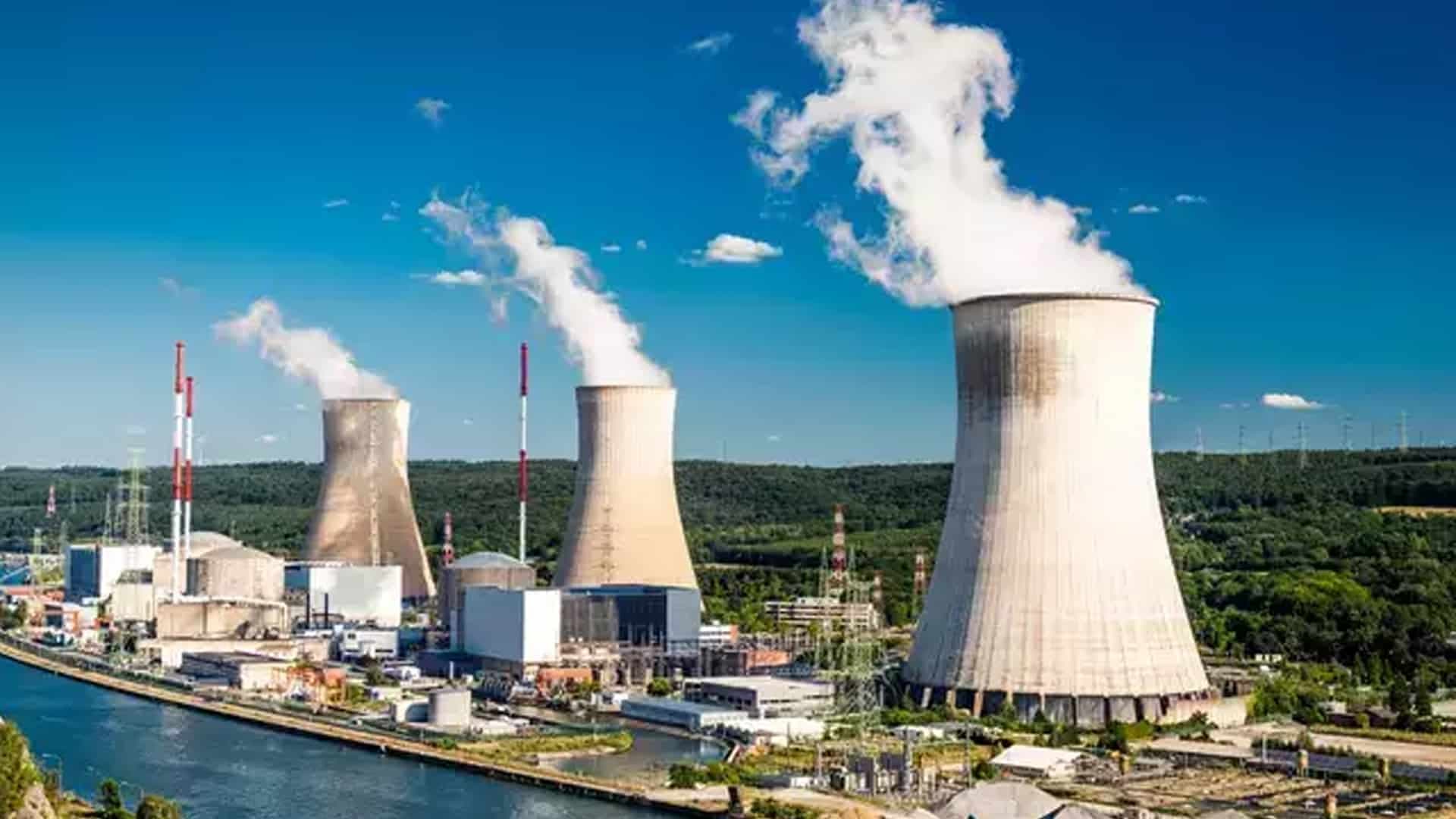
- The Prototype Fast Breeder Reactor (PFBR), designed and developed indigenously, achieved first criticality on April 6, 2026.
- The reactor is located at Kalpakkam, Tamil Nadu, and has a capacity of 500 MW.
Nuclear Energy Program:
- The PFBR marks a significant milestone in India's three-stage nuclear power program.
- This program aims to utilize India's vast thorium reserves effectively in its third phase.
Government Initiatives:
- Under the recently launched "Nuclear Mission," India plans to establish five Small Modular Reactors (SMRs) by 2033, with an allocation of ₹20,000 crores.
- The SMRs will cater to captive power production, especially in industries, densely populated areas, and regions lacking grid connectivity.
Technological Context:
- The PFBR utilizes uranium-plutonium mixed oxide fuel, allowing it to generate more fuel than it consumes.
- The successful establishment of this reactor is expected to enhance the efficient use of nuclear fuel in India.
Strategic Importance:
- The advancements in FBR technology position India uniquely in the global nuclear landscape, as only a few countries have made significant progress in this area.
- Nuclear energy is pivotal for India’s clean energy transition, aiming for 100 GW of nuclear power capacity by 2047, contributing towards achieving net-zero carbon emissions by 2070.
Policy Framework:
- The Nuclear Energy sector will see increased private sector participation enabled by the Peace Act, which supports the enhancement of India's nuclear capabilities.
- The emphasis on advanced manufacturing, artificial intelligence, and data infrastructure reflects the need for reliable clean energy sources.
International Context:
- Currently, Russia is the only country operating commercial FBRs, while several nations have historically developed or operated experimental fast reactors, most of which have been discontinued.
Conclusion:
- The developments in India's nuclear energy program signify a major step forward in harnessing nuclear technology for sustainable energy, marking an essential transition towards a balanced energy mix incorporating nuclear, renewable, and other clean energy sources.
Key Terms & Concepts
| Fast Breeder Reactor (FBR) | Operational nuclear technology |
| Prototype Fast Breeder Reactor (PFBR) | Developed in Kalpakkam |
| Indira Gandhi Centre for Atomic Research (IGCAR) | Developed PFBR |
| Bhabha Atomic Research Centre (BARC) | Involved in reactor development |
| Thorium | Future nuclear fuel source |
| Nuclear Mission | Plan for 5 SMRs by 2033 |
| 20,000 crore INR | Funding for nuclear projects |
| 100 GW nuclear capacity | Target by 2047 |
| Small Modular Reactors (SMRs) | New technology for energy |
| Clean Energy Transition | Key to sustainability |
| Zero Carbon Emission | Target by 2070 |
| Atomic Energy Act | Regulates nuclear energy |