iAspirants
Current AffairsPrelims PYQsUPSC CSE SyllabusUPSC CSE StrategyBlogsPricing
Login
iAspirants

Your AI-powered companion for UPSC preparation.

Quick Links

  • Home
  • About Us
  • Current Affairs
  • Prelims PYQs
  • UPSC CSE Syllabus
  • UPSC CSE Strategy
  • Blogs

Company

  • Pricing
  • FAQs
  • Contact Us
  • Login

Legal

  • Privacy Policy
  • Terms & Conditions
  • Return Policy

© 2025 iAspirants, Inc. All rights reserved.

  1. Blogs
  2. International Relations

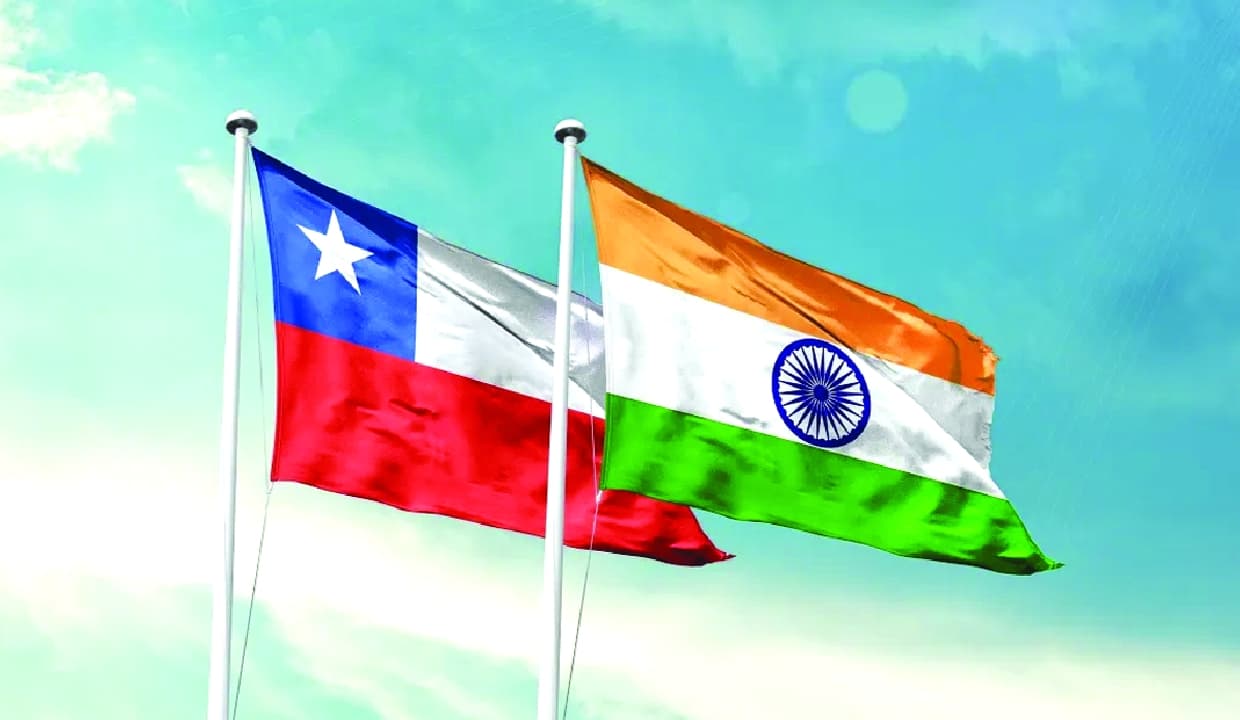
India-Chile CEPA Talks Progressing

Published on: 30-Aug-2026

Share this post

India-Chile CEPA Talks Progressing

Article Summary

India-Chile Comprehensive Economic Partnership Agreement (CEPA) Negotiations

Overview:

  • The CEPA negotiations between India and Chile have progressed to the next stage, with a meeting held in Santiago, Chile on August 26, 2026, between India's Commerce Secretary Rajesh Aggarwal and Chile's Under-Secretary for International Economic Relations, Paula Estévez Weinstein.

Key Objectives:

  • Strengthen trade and investment relations between India and Chile.
  • Aim to complete negotiations by the end of 2026.
  • Focus on creating meaningful opportunities for businesses and people from both countries.

Strategic Significance:

  • Both nations identify as part of the Global South, which provides a common strategic basis for deepening bilateral economic cooperation and promoting shared prosperity.

Areas of Economic Cooperation:

  • Potential growth in various sectors including:
    • Healthcare
    • Pharmaceuticals
    • Energy
    • Minerals
    • Agriculture
    • Machinery
    • Engineering

Goals of CEPA:

  • Establish a balanced and mutually beneficial framework for trade.
  • Facilitate substantial and commercially meaningful opportunities for businesses in both countries.
  • Enhance bilateral trade and economic partnerships through successful completion of CEPA negotiations.

Expected Outcomes:

  • Increase in trade and investment avenues.
  • Promotion of collaboration in technology, talent, and resilient supply chains.
  • Establish a robust foundation for long-term economic cooperation between India and Chile.

Conclusion:

  • The successful conclusion of CEPA negotiations is anticipated to accelerate growing bilateral trade and economic partnerships, benefiting both nations through a structured and equitable trade agreement.

Key Terms & Concepts

India-Chile Comprehensive Economic Partnership Agreement (CEPA)Framework for bilateral trade
August 26, 2026Date of meeting held
Santiago, ChileLocation of the meeting
Health care, Pharmaceuticals, Energy, Minerals, Agriculture, Machinery, EngineeringSectors for economic cooperation
Global SouthShared identity of nations
Balanced and mutually beneficial frameworkObjective of the CEPA

Mind Map for UPSC Civil Services Revision

Turn UPSC Civil Services Current Affairs Into Exam-Ready Notes

Reading International Relations current affairs is half the work. Revise them with ready-made notes and test what actually stuck.

  • Daily UPSC Civil Services current affairs analysis
  • Revision notes, mind maps & MCQs
  • Prelims mock tests with instant results

Related UPSC Civil Services Current Affairs Articles

China Supports India's UN Security Council Candidature
International Relations31-Aug-2026

China Supports India's UN Security Council Candidature

Summary of Key Points:

  1. Diplomatic Developments:

    • Chinese Ambassador-designate, Mr. Chen Chao Yusu, to arrive in New Delhi within two weeks.
    • Expected to present credentials before October 1 for the national day reception at the Chinese Embassy.
  • International Relations:

    • China supports India's candidature for one of the two Asian seats on the UN Security Council, vacated by Japan upon completion of its term.
    • This support aligns China with the Asian Group in the UN, which includes 34 member countries.
  • Asian Group Meeting:

    • The meeting held on August 16 in New York was chaired by the representative from Bangladesh.
    • Japan proposed India's nomination, which was supported by the Asian Group members, leading to the withdrawal of competing nominations from the Philippines and Mongolia.
  • Formal Notification:

    • The Chairman of the Asian Group has officially notified other regional groups regarding India's nomination for the Security Council seat.
  • Constitutional and International Framework:

    • The support for India's nomination reflects India's growing role in international diplomacy and aligns with Article 27 of the UN Charter, which deals with the voting procedures of the Security Council.
  • Significance of the Appointment:

    • Restoration of Ambassador-level representation signifies a potential thaw in India-China relations, which have faced tensions in recent years.
  • Future Implications:

    • India's potential seat on the UN Security Council could enhance its influence in international decision-making and reinforce its position on global issues, including security, climate change, and economic development.
  • This summary captures the essential facts and developments regarding India's nomination for a UN Security Council seat and the associated diplomatic activities, reflecting the importance of international diplomacy and India's role in global governance.

    UN Committee Reviews India's Discrimination Issues
    National and International Importance31-Aug-2026

    UN Committee Reviews India's Discrimination Issues

    • International Commitments: India ratified the International Convention on the Elimination of All Forms of Racial Discrimination in 1968.

    • Concerns from U.N. CERD: In its first review since 2007, the U.N. Committee on the Elimination of Racial Discrimination (CERD) expressed "grave concern" regarding:

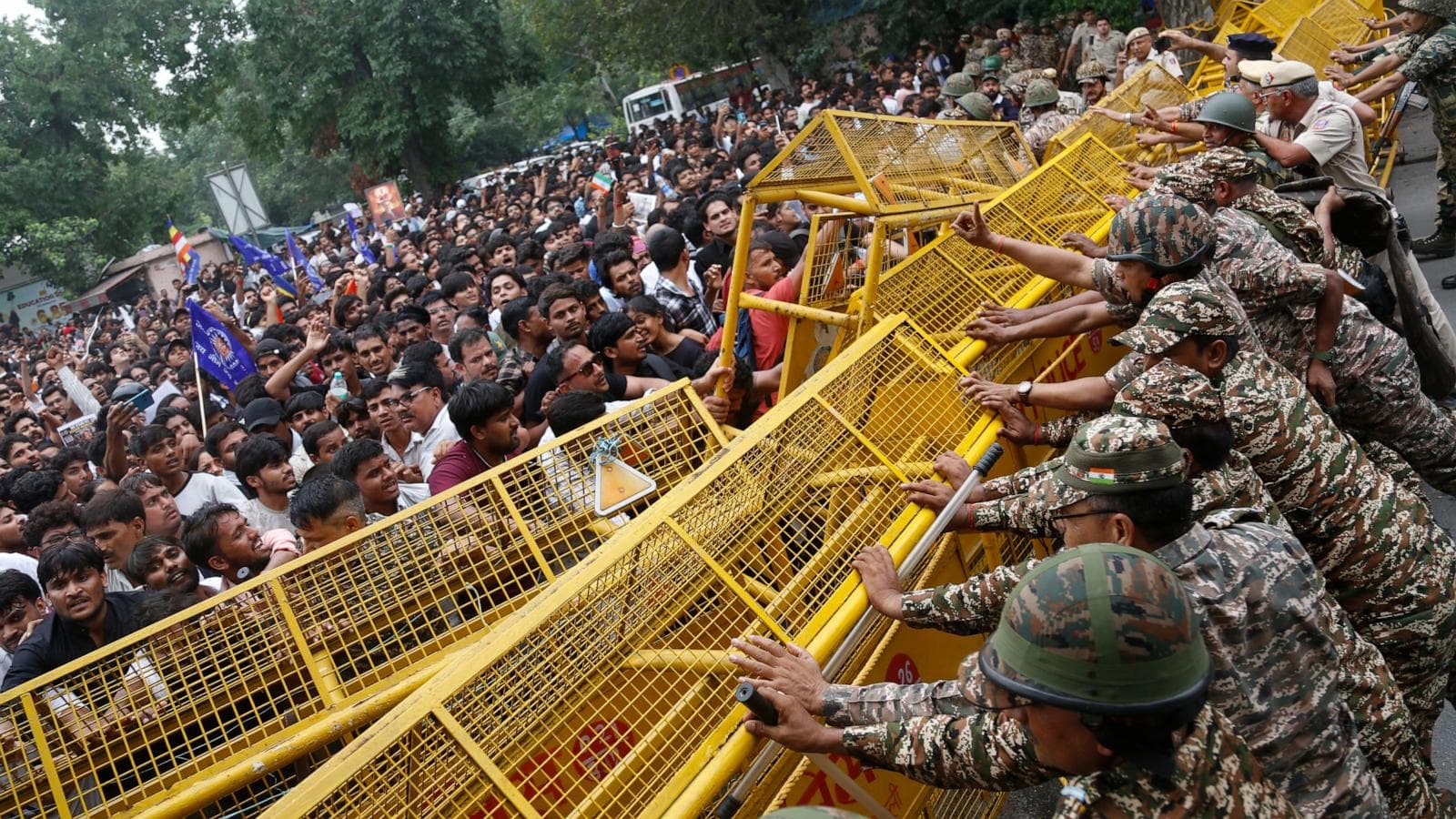
      • Violence Against Minorities: Reports of law enforcement using violence against minority ethnic groups, Dalits, and non-citizens.
      • Caste Discrimination: The Indian government's assertion that caste bias does not fall under Article 1 of the convention has been countered by CERD, which recognizes various forms of discrimination based on inherited status.
    • Legal Framework Issues:

      • Concerns about the practice of manual cleaning of sewers despite existing legislation banning it.
      • The absence of explicit criminalization of racist hate speech under the Bharatiya Nyaya Sanhita.
      • The Forest (Conservation) Amendment Act, which allows exemptions for "national security" projects from consultative decision-making processes.
    • Rights of Rohingya Muslims: Issues surrounding poor living conditions, hate speech, and mass refoulement of Rohingya Muslims were highlighted.

    • Census and Data Issues:

      • The delay in conducting a Census and slow release of NCRB data has hindered independent checks on India’s claims regarding caste- and faith-based discrimination.
      • The government’s reliance on 2011 Census data could obscure the socio-economic regression of Scheduled Tribes and Adivasis.
    • Recommendations for Improvement:

      • Restoration of National Human Rights Commission (NHRC) independence.
      • Criminalization of hate speech.
      • Supportive affirmative action measures.
      • Collection and publication of disaggregated data.
      • Improvement of transparency regarding electoral roll revisions.
    • Government's Stance:

      • The government attempted to classify the issues affecting 200 million Dalits as domestic matters to circumvent international accountability.
      • Dismissal of CERD’s concerns as politically motivated suggests a trend towards minimizing international oversight on human rights issues.
    • Civil Society Role: The responsibility for advocacy and maintaining pressure on the government has largely fallen to civil society groups, especially in multilateral platforms to address discrimination practices.

    • Legislative Tools Cited:

      • FCRA: Foreign Contribution Regulation Act.
      • UAPA: Unlawful Activities (Prevention) Act.
      • AFSPA: Armed Forces Special Powers Act.
      • PMLA: Prevention of Money Laundering Act.

    These issues reinforce the ongoing challenges facing India in addressing discrimination and protecting the rights of marginalized communities, alongside the need for greater transparency and accountability in governance.

    India-Uzbekistan Strategic Partnership Agreements
    International Relations30-Aug-2026

    India-Uzbekistan Strategic Partnership Agreements

    Summary of India-Uzbekistan Agreements and Initiatives

    Key Agreements Signed:

    1. Cultural Exchange Program (2026-30): Aims to enhance cultural ties between India and Uzbekistan.
    2. Conservation of Ancient Buddhist Sites: MoU signed for the preservation and restoration of sites in Termez, Uzbekistan.
    3. Archives Cooperation: MoU between India's National Archives and Uzbekistan's "Uzaarchive" agency for archival work.
    4. Traditional Medicine Collaboration: Agreement for cooperation in Ayurveda and other traditional medical systems.
    5. Geology and Mineral Resources: MoU between India's Ministry of Mines and Uzbekistan's Ministry of Mining Industry and Geology.
    6. Tourism Partnership Program (2026-28): Agreement between India's Ministry of Tourism and Uzbekistan's Tourism Committee.
    7. Diplomatic Academy Cooperation: MoU between the Sushma Swaraj Institute of Foreign Service and Uzbekistan's University of World Economy and Diplomacy.
    8. Economic and Financial Dialogue: MoU between India’s Ministry of Finance and Uzbekistan's Ministry of Economy and Finance.
    9. Environmental Cooperation: Agreement between India's Ministry of Environment and Uzbekistan’s National Committee on Ecology and Climate Change.
    10. Higher Education and Research: MoU for collaboration in higher education and scientific research.
    11. Partnership Agreement: Cooperation agreement between Gujarat state and Uzbekistan's Samarkand region.

    Announcements:

    1. Strategic Partnership Enhancement: Elevation of India-Uzbekistan strategic partnership to a comprehensive level.
    2. Funding for Tree Plantation: $1 million grant for tree planting in the Aral Sea region.
    3. Scholarships: 100 scholarships for Hindi language studies under the Lal Bahadur Shastri Scholarship scheme.
    4. Sanskrit Chair: Establishment of an ICCR Sanskrit chair at Tashkent State University of Oriental Studies.
    5. Commercial Agreement: Agreement between NPCI International Payments Limited and Uzbekistan’s National Interbank Processing Center for enabling Indian UPI apps for payments in Uzbekistan using a national QR code (UZQR).

    Implications and Importance:

    • Cultural Diplomacy: The agreements signify a strong commitment to cultural diplomacy and mutual understanding.
    • Economic Cooperation: The economic and financial dialogue MoU indicates a focus on enhancing trade and financial relations.
    • Environmental Initiatives: The funding for tree planting highlights a commitment to environmental sustainability in the Aral Sea region, which faces ecological challenges.
    • Education and Research: Emphasis on higher education and research collaboration suggests potential for academic exchanges and joint research initiatives.

    Conclusion:

    The recent agreements between India and Uzbekistan encompass a wide range of sectors, including culture, environment, economy, education, and traditional medicine. These initiatives reflect a strategic partnership aimed at fostering bilateral relations and addressing shared challenges.

    Intelligence Cooperation in Geopolitics
    International Relations30-Aug-2026

    Intelligence Cooperation in Geopolitics

    • Intelligence Agencies: Vikram Sood, former secretary of the Research and Analysis Wing (R&AW), emphasized the collaboration between R&AW and the Intelligence Bureau (IB) as crucial for India's defense and offense in geopolitics. This underlines the importance of intelligence in national security strategies.

    • Geopolitical Context: Sood discussed the rapid developments in global politics, highlighting the challenges posed by disinformation and the need for timely intelligence responses.

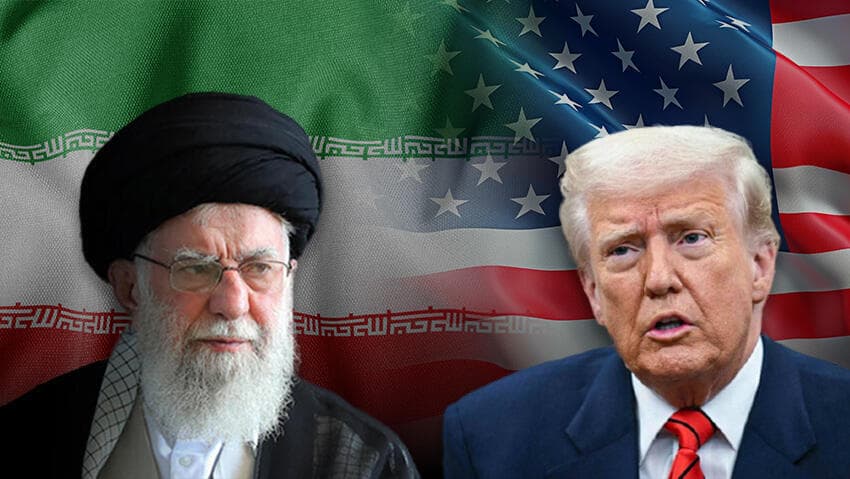
    • U.S. Military Operations: He criticized the U.S. perception of quick military success in Iran, pointing out that the Iranian military had been preparing for potential conflict, referencing historical U.S. military engagements in the Balkans and Iraq.

    • Regional Security Dynamics: Sood indicated that Pakistan might be planning new attacks, but suggested that Saudi Arabia and Turkey would likely refrain from involvement, framing it as a regional strategy to contain Iran.

    • U.S. Foreign Policy Critique: He argued that U.S. interventions have often been driven by national interests rather than a genuine commitment to democracy, noting past alliances with autocratic regimes.

    India Supports Nepal After Flash Floods
    International Relations28-Aug-2026

    India Supports Nepal After Flash Floods

    Summary of Nepal Floods and Indian Response

    Situation Overview:

    • A flash flood in Nepal has resulted in at least 359 fatalities.
    • The Ministry of External Affairs (MEA) of India reported that as of August 27, 2026, approximately 290 Indian nationals are uncontactable, including groups from Tamil Nadu, West Bengal, and Kerala.

    Humanitarian Assistance:

    • India has dispatched a second consignment of 37.5 tonnes of Humanitarian Assistance and Disaster Relief (HADR) material, consisting of medicines and food packets to support Nepal's disaster management efforts.
    • An initial aircraft carrying relief supplies was sent on August 26, 2026.

    Rescue Operations:

    • At least 63 Indian nationals employed at the Trishuli-1 project and 21 Indians from Tamil Nadu have been rescued.
    • Ongoing search efforts are in place to locate missing individuals, complicated by a disrupted telecom network in the affected regions.

    Government and Diplomacy:

    • External Affairs Minister S. Jaishankar conducted a review meeting with high-level MEA officials, including ambassadors to Nepal and China, emphasizing urgent efforts to ascertain the well-being of Indians in affected areas.
    • Coordination with the Nepali government has been highlighted as part of the response strategy.

    Communication Challenges:

    • Officials noted difficulties in assessing the situation in the disaster-hit zone due to the lack of a stable telecom network.

    Public Concern:

    • Families of unaccounted Indians have turned to social media to express their worries regarding their loved ones' safety.

    Further Actions:

    • MEA pledges to provide additional support as further assessments and recovery efforts unfold.

    This ongoing situation emphasizes the importance of disaster management protocols and international cooperation in humanitarian efforts following natural calamities.

  • Publications: Vikram Sood has authored several works on espionage and geopolitics, including:

    • "The Unending Game: A Former R&AW chief’s insights into espionage"
    • "The Ultimate Goal: A Former R&AW Chief Deconstructs How Nations Construct Narratives"
    • "Great Power Games: From Western Decline to Eastern Ascent"
  • International Relations: The discussion highlights the complexities of international alliances and regional conflicts, particularly in the Middle East, which remains a focal point of global strategic interests.

  • This summary encapsulates key insights into intelligence operations, geopolitical strategies, and critiques of U.S. foreign policy without extraneous details.