iAspirants
India Commissioning Advanced Naval Vessels
Published on:
Share this post
Article Summary
Summary of Key Highlights from the Commissioning of INS Dunagiri, INS Sanshodhak, and INS Agray
Event Overview
- Date of Commissioning: June 21, 2026
- Location: Kolkata, West Bengal
- Participants: Prime Minister Narendra Modi, Defence Minister Rajnath Singh, and other dignitaries.
Key Facts & Figures
- Ships Commissioned:
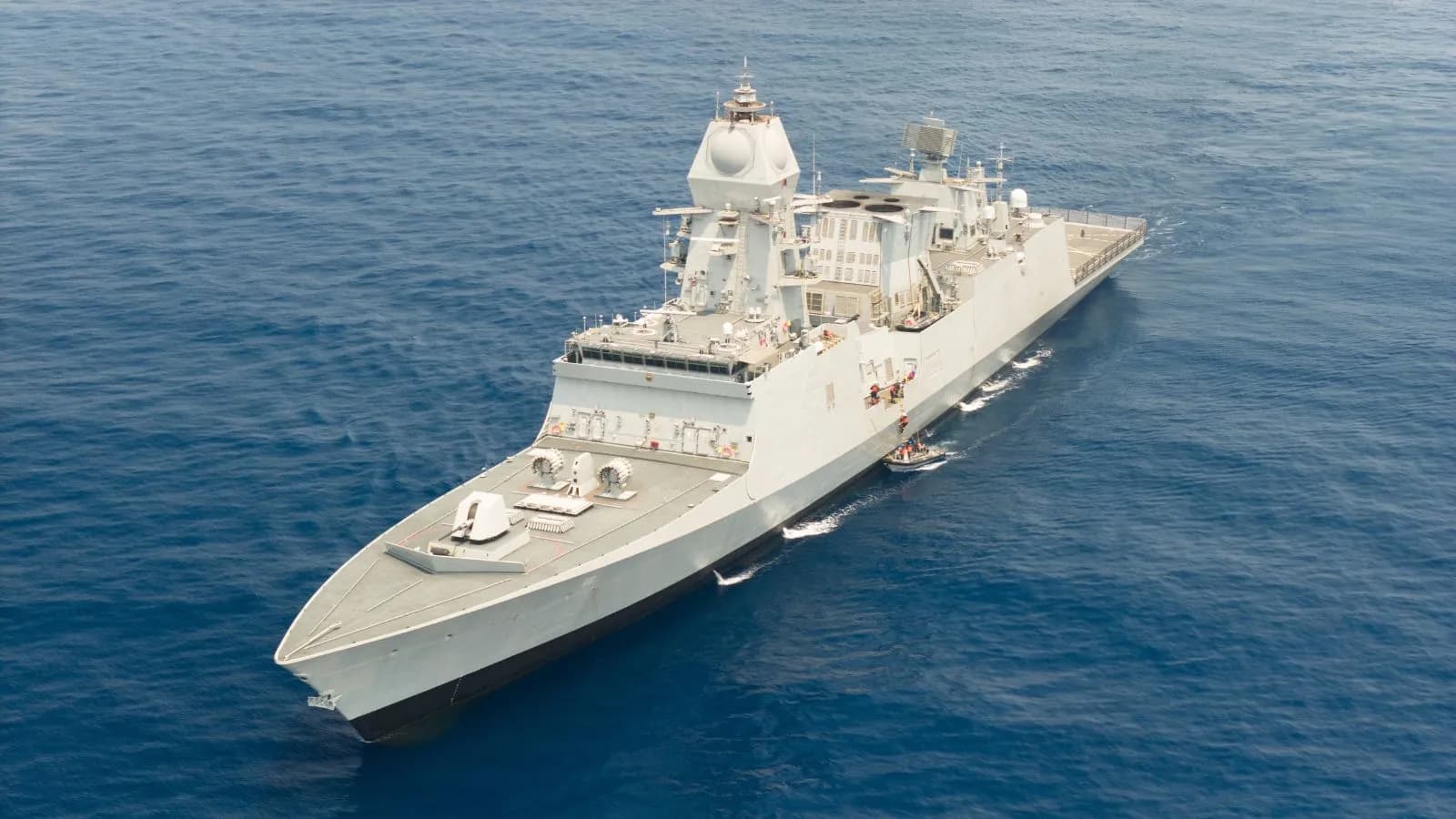
- INS Dunagiri (Multipurpose)
- INS Sanshodhak (Survey Vessel)
- INS Agray (Shallow Water Anti-Submarine Warfare Ship)
- Significance: The commissioning marks a significant enhancement in India's maritime capabilities and reflects the country's commitment to self-reliance in defense manufacturing.
Constitutional and Policy References
- Self-Reliant India Initiative: The commissioning aligns with the broader goal of "Atmanirbhar Bharat" (Self-Reliant India), emphasizing indigenous defense production.
- Maritime Vision 2030: INS Sanshodhak supports India's long-term maritime objectives, promoting sustainable use of marine resources.
Government Schemes and Policies
- 70,000 Crore INR Incentive Package: Announced for the shipping sector, aimed at enhancing India's maritime future and industrial competitiveness.
- Sagar Mala Project: Aims to reduce logistics costs and stimulate industrial activities and employment in coastal regions.
Economic Data
- Defense Production Growth:
- 2014: Defense production was approximately 40,000 Crore INR.
- Present: Increased to about 1.8 lakh Crore INR.
- Employment Generation: Over 200 MSMEs contributed to the construction of the new vessels, showcasing extensive industrial involvement.
Technological Advancements
- Ship Design and Construction: The vessels are designed by the Indian Navy's Warship Design Bureau and built by Garden Reach Shipbuilders and Engineers, featuring over 75% indigenous materials.
- Advanced Capabilities:
- INS Dunagiri equipped with supersonic missiles, advanced air defense systems, and modular construction techniques.
- INS Sanshodhak features state-of-the-art hydrographic systems to enhance marine resource management.
- INS Agray designed for shallow water operations, equipped with sophisticated sonar and combat management systems.
Strategic Importance
- Maritime Security: These ships enhance India's operational capabilities against geopolitical threats and bolster maritime security in the Indian Ocean Region (IOR).
- Humanitarian Assistance and Disaster Relief (HADR): The ships are also capable of conducting non-combat evacuation operations and humanitarian missions.
International Context
- Global Maritime Trade: Emphasizes the importance of maritime security for economic prosperity, as a significant portion of global trade occurs via maritime routes.
Conclusion
The commissioning of INS Dunagiri, INS Sanshodhak, and INS Agray represents a pivotal moment in India's defense capabilities and maritime strategy, reinforcing the country's commitment to self-reliance and enhanced national security. These vessels not only symbolize technological advancements but also reflect India's growing industrial strength and strategic maritime vision.
Key Terms & Concepts
| INS Dunagiri | Multirole warship commissioned |
| INS Sanshodhak | Hydrographic survey vessel |
| INS Agray | Anti-submarine warfare ship |
| June 21, 2026 | Date of commissioning |
| Project 17A | Dunagiri's classification project |
| Maritime Vision 2030 | India's strategic maritime plan |
| Self-Reliant India | National initiative for defense |
| Sagar Mala Project | Infrastructure development initiative |
| ₹70,000 crore | Shipping sector incentive package |
| 1.8 lakh crore | Defense production value |
| 40 indigenous warships | Current naval assets |
| 200 MSMEs | Contributors to shipbuilding |